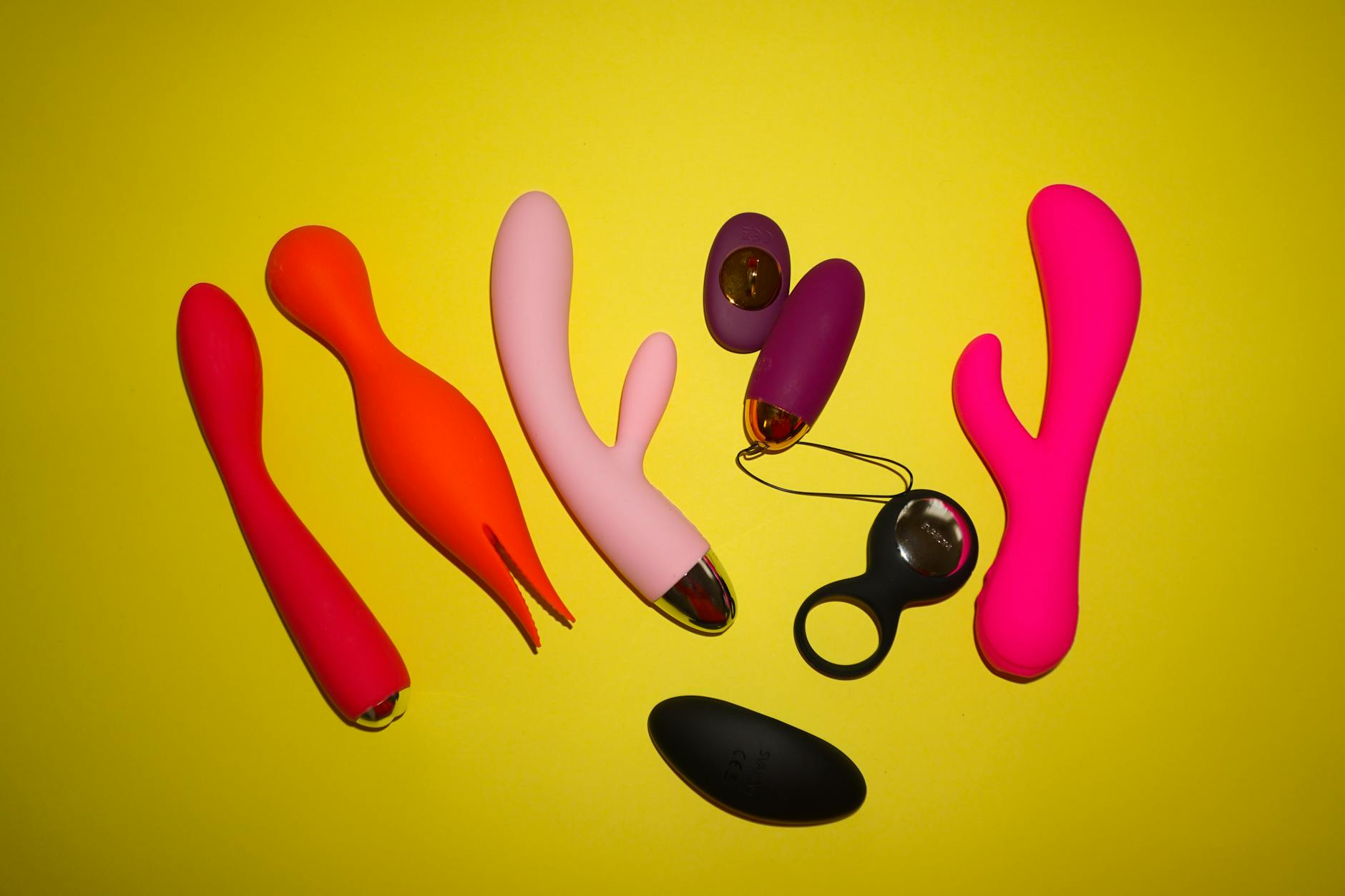
Best Lemon Vibrator for Sensitive Skin and Allergies: Materials That Won't Irritate
Okay, so you've got sensitive skin. You've had reactions to vibrators before. Or maybe you're just cautious because your skin has a habit of disagreeing with things. Either way, you've probably wondered whether a quality lemon vibrator is actually going to work for you, or if you're destined for irritation every time.
Here's the good news. Most skin reactions to sex toys aren't actually about sensitivity. They're about material quality and manufacturing standards. And once you know what to look for, lemon clitoral vibrators become way less of a gamble.
What actually triggers vibrator-related skin irritation
Let's start by naming the enemy. Skin irritation from sex toys usually comes from one of three sources: cheap materials, manufacturing residue, or phthalates and other chemical additives.
Cheap silicone and rubber often contain phthalates (a class of plasticizers that make materials flexible). Your skin absorbs them. Some people don't react. Others develop redness, itching, or burning within minutes. Jelly-like materials are worst offenders. Porous rubber can harbor bacteria and mold, creating infections instead of just irritation.
Manufacturing residue is less obvious but just as real. Toys aren't always cleaned properly before packaging. Dust, mold spores, and chemical residue from the molding process sit on the surface. Your warm, sensitive vulva is basically a petri dish for anything coating that toy.
Phthalate-free doesn't automatically mean safe. Some brands replace phthalates with other plasticizers that trigger the same reactions. The real safety marker is medical-grade silicone or borosilicate glass. These materials are genuinely non-porous and don't leach chemicals.
Why medical-grade silicone is the gold standard for sensitive skin
Medical-grade silicone (also called platinum-cure silicone) is made differently than regular silicone. It's processed to remove impurities, manufactured under higher standards, and tested for biocompatibility. Hospitals use it for implants and catheters. Your body doesn't react to it the way it reacts to lower-grade materials.
The difference shows up immediately for people with sensitive skin. Medical-grade silicone toys feel smoother, they don't off-gas (that plastic smell), and they don't cause the low-level irritation that cheaper toys create after 10 minutes of use.
When you're choosing between lemon vibrators or any clitoral vibrator, medical-grade silicone should be your baseline, not your luxury upgrade. It's not expensive to manufacture. Brands that use it are simply refusing to cut corners.
The material hierarchy for sensitive skin
Here's how to rank toy materials if you have reactive skin:
Best: Medical-grade silicone. Non-porous, chemically inert, hypoallergenic. No off-gassing. No leaching. This is what Hello Nancy uses across their lemon vibrators and other designs.
Also great: Borosilicate glass. Completely inert, non-porous, impossible to contaminate. Some people find it cold or prefer the flexibility of silicone, but glass triggers zero reactions. Ever.
Acceptable: Stainless steel. Used for internal components and sometimes body panels. Hypoallergenic and durable. Won't cause reactions.
Avoid: Jelly, rubber, PVC. These are porous and often contain phthalates. Even if they don't, the porosity means bacteria colonization is guaranteed.
Avoid: "Silicone-like" or unspecified materials. If a brand won't say "medical-grade silicone," assume it's a cheaper grade. Real transparency is a safety signal.
Why manufacturing and cleaning matter as much as material
A toy made from medical-grade silicone is only as safe as the factory that made it. Toys produced in facilities without quality control can still arrive contaminated.
Hello Nancy's approach here is methodical. Each toy is inspected and cleaned before shipping. The manufacturing standards are strict enough that phthalate-free claims aren't marketing speak. They're actually verified.
When you're shopping, look for brands that mention manufacturing standards, not just material names. "Medical-grade silicone" without certification is easier to fake than you'd think. Brands that have third-party testing or certifications (like FDA registration) are showing you they have something to prove.
If you open a new toy and it smells strongly of plastic or rubber, that's manufacturing residue. Some of it washes off. Some of it doesn't. For sensitive skin, this is worth returning or exchanging for a different toy altogether.
Pre-use cleaning protocol for sensitive skin
Even with a high-quality toy, a quick wash before first use can prevent a lot of irritation.
Use warm water and fragrance-free, non-antimicrobial soap. Yes, that last part matters. Antibacterial soaps can irritate sensitive skin more than the toy material itself. Rinse thoroughly. Pat dry with a clean cloth.
If you want to be extra cautious, let the toy sit in a bowl of boiled water (cooled slightly) for 10 minutes. This kills surface bacteria and softens any remaining manufacturing dust without using chemicals.
For ongoing use, clean your toy the same way after every session if you have reactive skin. It takes 60 seconds and eliminates one major irritation variable.
Lube matters more than you think for sensitive skin
Here's something people miss. Your toy might be pristine, but your lubricant might be the culprit.
Fragrant lubes, lubes with glycerin (a sugar that feeds yeast), and lubes with numbing agents all trigger reactions in people with sensitive vulvas. Numbing agents especially are worth avoiding. They mask irritation, which means you might damage your skin without realizing it.
For sensitive skin, use a plain water-based lubricant or silicone-based lube. Check the ingredient list. If you see glycerin, fragrance, or benzocaine, skip it. Brands like Hello Nancy pair their toys with lube recommendations because pairing actually matters.
Silicone lube lasts longer than water-based, which means less friction overall. For sensitive skin exploring clitoral vibrators, that lower friction is often the difference between comfort and irritation.
Patch testing your new toy
If you're nervous (which is fair), you don't have to dive in.
Rub the toy against the inside of your wrist or your inner arm for 30 seconds. Wait 30 minutes. If you develop redness or itching, you've got a reaction to the material and you can return the toy.
If your wrist is fine, test on a less sensitive area of your labia for a few minutes. Wait again. Most reactions appear within the first hour. If you're clear, you're likely fine for full use.
This sounds paranoid. It's actually sensible risk management. If you've had bad reactions before, this takes the guesswork out.
What to do if irritation develops
If you're using a high-quality lemon vibrator and irritation shows up, here's the diagnostic checklist.
First, was the toy cleaned before first use? If not, clean it now and wait 24 hours before trying again.
Second, is your lubricant the issue? Try a different brand, ideally fragrance-free water-based. Irritation from lube usually appears as itching or burning that gets worse over hours.
Third, are you using too much intensity too quickly? Sensitive skin can handle strong vibration, but the tissues need gradual stimulation. Start on the lowest setting and spend 5 minutes warming up before increasing intensity.
Fourth, is your toy actually medical-grade silicone or is it something cheaper marketed as silicone? If you're uncertain, reach out to the brand. Legitimate companies will provide material certifications or detailed specifications.
If irritation persists after troubleshooting, stop using the toy and see a dermatologist or gynecologist. Some people have genuine silicone allergies (rare, but real), and a professional can identify whether the toy material is the problem or whether it's something else entirely.
Choosing the right lemon vibrator when you have sensitive skin
The lemon vibrator category has options across different material grades and intensities. If your skin is reactive, prioritize toys made from medical-grade silicone that are manufactured in facilities with transparent quality standards.
Hello Nancy's clitoral vibrators start from this baseline. You're not shopping for safety as a feature. You're shopping assuming safety is guaranteed and then deciding based on pattern, intensity, and personal preference.
That's how it should work. Your pleasure shouldn't require a chemistry degree and a risk assessment. A quality lemon clitoral vibrator, combined with smart material choices and basic hygiene, should feel good from the first use.
Frequently asked questions
Can I use a lemon vibrator if I have a latex allergy?
Yes, as long as the toy is silicone or glass, not rubber. Latex allergies are specific to the latex protein. Medical-grade silicone contains zero latex. Glass obviously doesn't. Just confirm with the brand that their toy is latex-free and silicone-based, and you're clear to use it.
Do I need to use special lube with my lemon clitoral vibrator?
Not special, just smart. Water-based or silicone-based lubes work fine with silicone toys. Avoid glycerin-heavy lubes if you're prone to yeast infections, and avoid fragrance if your skin is reactive. Beyond that, any quality basic lube is fine. Many people find silicone lube more comfortable during extended use because it requires less reapplication.
Is phthalate-free the same as hypoallergenic?
No. Phthalate-free means the toy doesn't contain that specific plasticizer. But it could still contain other chemicals that trigger reactions. Hypoallergenic means the material is unlikely to cause allergic reactions. Medical-grade silicone is both phthalate-free and hypoallergenic. "Phthalate-free" alone is not a guarantee of safety. Always look for medical-grade materials, not just phthalate-free claims.
What temperature should I clean my toy with if I have sensitive skin?
Warm water, not hot. Boiling water can theoretically warp lower-quality silicones (though medical-grade silicone is fine). Warm water is enough to kill most surface bacteria and is gentler overall. Use fragrance-free soap, rinse thoroughly, and dry completely before storing. For sensitive skin, this simple protocol is usually enough.
Can I develop an allergy to medical-grade silicone?
It's extremely rare, but yes, silicone allergies exist. They're usually discovered through medical testing, not through toy use. If you think you have a silicone allergy, see a dermatologist before trying other toy materials. You might have a reaction to lube, manufacturing residue, or heat buildup instead. A professional can narrow down the actual culprit.
How do I know if my toy is actually medical-grade silicone?
Ask. Legitimate brands will tell you. They'll provide material certifications, manufacturing details, and quality standards. If a brand gets vague or defensive about materials, that's a red flag. Hello Nancy publishes this information clearly because there's nothing to hide. If you're shopping elsewhere and a brand won't specify, assume it's not medical-grade.
Your skin deserves better than guessing games. A quality lemon vibrator made from medical-grade silicone, combined with proper cleaning and smart lube choices, should work beautifully for sensitive skin. The details matter, but once you know what to look for, they're not complicated. You've got this.