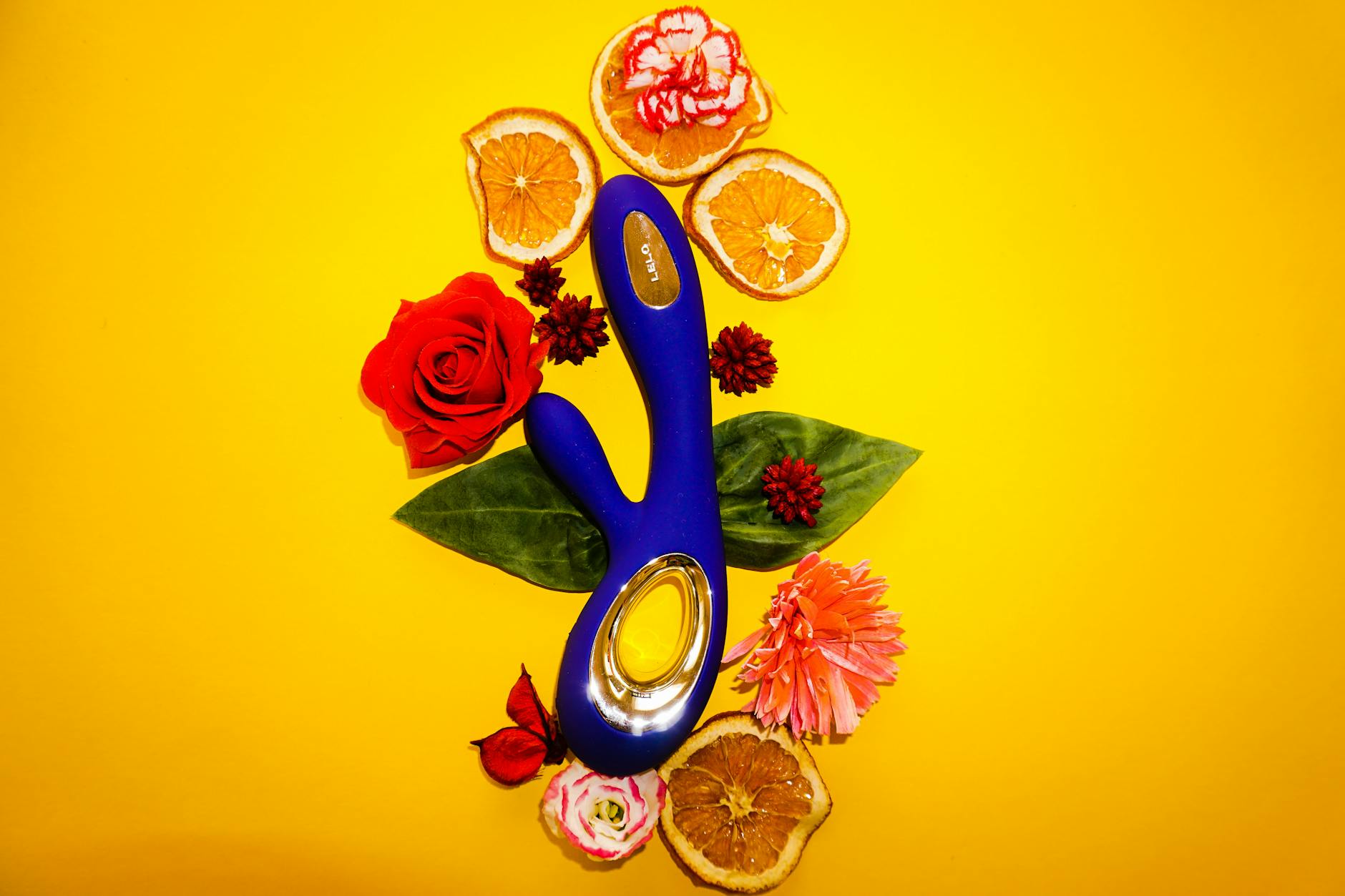
Let's talk about why pattern matters more than you think
Honestly, if you've only ever used one vibrator pattern, you're not discovering what your body actually likes. You're just discovering one narrow slice of what's possible. The difference between a constant buzz and a rhythmic pulse isn't subtle. One might feel flat and numbing. The other might hit a nerve cluster and create an entirely different kind of pleasure.
This matters because every body reads vibration differently. A pattern that sends your partner into orbit might feel pointless on your skin. And the pattern that works on Monday might feel completely wrong on Friday. The beauty of a lemon clitoral vibrator with multiple patterns is that you get to experiment. You get to notice what your nervous system actually wants, not what you think you're supposed to want.
Understanding the baseline: constant buzz versus pulsed patterns
Most vibrators give you two basic categories. Constant buzz is what it sounds like: steady, uninterrupted vibration from start to finish. Some people love it because it's predictable. Your body knows what to expect, and that consistency builds momentum. But for sensitive clits, constant buzz can numb you out after about five minutes. The nerve endings adapt. The sensation flattens.
Pulsed patterns interrupt the vibration. They create little gaps. On off. On off. That rhythm forces your nervous system to stay engaged because the stimulation isn't constant. You never fully adapt. This is why pulse patterns often feel more intense even at lower speeds.
With a lemon vibrator like the Lem, you're typically working with four to eight distinct patterns. Some are straight pulses. Some are building rhythms that start slow and accelerate. Some mimic a heartbeat. Others are completely artificial. The key is learning which category your body prefers, and then getting granular within it.
Pattern types and what they actually do
Steady pulse (classic rhythm). This is the workhorse pattern. It's a regular on-off beat, usually between 2 and 4 beats per second. Good for building arousal without overwhelming your nervous system. Not flashy, but reliable. If you're new to lemon vibrators or working with sensitivity, start here.
Accelerating pulse (building rhythm). The pattern starts slow and speeds up. This mimics the natural rhythm of arousal in a lot of bodies. Your heart rate rises, blood flow increases, and the vibrator accelerates with you. Many people report that this pattern feels most natural because it matches their actual physiology. If you find constant speed boring, this is your answer.
Wave pattern (undulating rhythm). Imagine a sine wave. The vibration increases gradually, hits a peak, then decreases, then repeats. This creates a rolling sensation rather than sharp on-off beats. Great for prolonged pleasure because it doesn't overwhelm any single nerve cluster. You can stay in this pattern for a long time without numbing out.
Escalating double pulse. Two quick pulses, then a pause. Two quick pulses, then a pause. Creates urgency without being abrasive. This works well for people who like a little complexity but don't want something that feels chaotic. Also good for partners using it together because the rhythm is compelling but not exhausting.
Rabbit pulse (mimicking natural rhythm). Some patterns are designed to feel like the way bodies naturally move during sex. These tend to be faster, with slight variations in intensity throughout the beat. They work especially well if you have a partner who's timing penetration to your vibrator use. Not essential solo, but worth knowing about.
Matching patterns to your body's sensitivity
Sensitivity isn't one thing. You might be sensitive to direct stimulation but not sensitive to speed. You might tolerate high intensity but find repetitive patterns numbing. You might need variety within a single session. Here's how to navigate this.
If direct touch feels overwhelming. Start with wave or undulating patterns at low speed. The gradual increase and decrease in intensity gives your nervous system breaks. Avoid sharp double-pulse patterns initially. They can feel jarring on very sensitive skin. Once you've warmed up, you might tolerate more aggressive patterns.
If you numb out quickly. This is classic for people who use vibrators frequently. Constant patterns, no matter the speed, eventually feel like nothing. Switch to pulsed rhythms with variation. Your nervous system needs the unpredictability. Try escalating or wave patterns. The changing intensity forces engagement.
If you're not sure what you like. Start with a steady pulse at pattern one or two on your lemon vibrator. Spend five minutes. Notice what happens. Does it feel good? Boring? Too intense? Then move to pattern three. Give yourself 20-30 minutes to experiment without pressure. You're not trying to finish. You're gathering information. That's genuinely valuable work.
The speed and pattern relationship
Here's something nobody explains clearly: speed and pattern don't exist independently. A gentle wave pattern at speed seven might feel more intense than an aggressive pulse at speed three. This is why starting low is smart.
My recommendation: pick your pattern first. Then bring speed up slowly. Once you find a speed that feels good, you can experiment with other patterns at that same speed. This creates a consistent baseline. You're changing one variable at a time, not three.
Also, and this is important: the speed that works during arousal might not work after you're already climaxing. Many people need to dial back intensity during orgasm itself. Your nervous system can only handle so much input at once. If you're coming and it suddenly feels like too much, lower the speed. This isn't failure. It's your body communicating its real needs.
How your cycle, stress level, and relationship status change pattern preference
Your body isn't static. Where you are in your cycle, how stressed you are, whether you're with a partner, whether you slept well... all of it changes what patterns feel good.
Lowkey, this is why having multiple patterns matters. On a high-stress day, you might need the simplicity of a steady pulse. On a day when you're relaxed and have time, you might want the complexity of an escalating pattern. If you're with a partner, you might want something that syncs with their rhythm. Solo, you might want something that feels purely self-directed.
The couples I work with often discover that introducing pattern variety actually rebuilds novelty in their sex life. You don't need to buy new toys. You just need to try the pattern you've been ignoring. That tiny shift can feel like a completely different experience.
Practical protocol: finding your pattern
First session. Use steady pulse, pattern one, speed two. Spend 10 minutes. Note what you feel.
Second session. Same setup. See if you want speed three instead. Get familiar.
Third session. Try a different pattern at that same comfortable speed. See which pattern feels better or worse.
Fourth session. Once you've found a pattern you like, try it at three different speeds. Note which speed gets you closest to orgasm.
Then mix. You can now play with combinations. Maybe you start with steady pulse, then switch to wave for variety. Maybe you use accelerating pulse to build and then lock into steady pulse for the finish.
This isn't rigid. This is just a way to take the guesswork out of the process. You're not discovering the "right" pattern because that's not how bodies work. You're discovering what works for you on this day, in this mood, at this moment. Everything else changes.
Photo by cottonbro studio on Pexels
The timing question: when to switch patterns mid-session
There's no rule, but here's what I typically see work. Start with a pattern that builds pleasure gradually. Steady pulse or accelerating pulse. As you get closer to orgasm, you might want to switch to something that feels more intense or has a rhythm that matches where your body is at that moment. Some people stay with one pattern the entire time. Others switch three times in 20 minutes. Both are fine.
The key is staying present enough to notice when a switch might help. If a pattern has been working for five minutes and then suddenly feels flat, don't push through. Adjust. If you're 90 percent of the way to orgasm and need something different to cross the finish line, switch. Your nervous system is telling you something. Listen.
Also: if you're using a lemon clitoral vibrator with a partner, patterns are a great communication tool. You can literally show them what feels good. "This is the pattern I love right now." They hear it. They see you responding. That's intimate information. It matters for connection.
The sensitivity rebuild angle
If you've been using lemon vibrators frequently and notice that patterns which used to feel incredible now feel muted, the fix isn't always a stronger vibrator. Sometimes it's exploring patterns you haven't tried. A rhythm you've never used recruits different nerve endings. You're not numbed to that pattern because you haven't desensitized yourself to it yet.
This is why I recommend rotating patterns, even when you have a favorite. Use steady pulse this week. Next week, try wave. The week after, accelerating pulse. You're keeping your nervous system engaged across the full range of your sensory potential.
FAQ
Why does the same pattern feel different on different days?
Your nervous system isn't consistent. Stress, sleep, hydration, where you are in your cycle, whether you've had sex recently. all of these change how sensitive your clitoris is and how quickly your nervous system habituates to a stimulus. A pattern that felt amazing Wednesday might feel mediocre Friday. This is normal. It's also why having options matters.
Is it better to start with gentle or intense patterns?
Start with gentle. Your nervous system adapts faster to intense input. If you begin at high intensity, you might numb out quickly. Start with steady pulse or wave at low-to-medium intensity. Let your body warm up. You can always increase intensity. It's harder to recover sensation once you've overwhelmed your nerves.
Can using the same pattern repeatedly cause lasting numbness?
Not permanent numbness, but desensitization, yes. This is why pattern rotation matters. When you use only one rhythm for months, your nervous system becomes hyper-adapted to that specific input. The fix is not a stronger vibrator. It's novelty. Try patterns you haven't used. Give yourself breaks between sessions. And consider rebuilding sensitivity through non-vibrator touch too.
Should my partner and I use the same pattern or different ones?
Totally up to you. Some couples like synchronized patterns because it feels connected. Others prefer different patterns because you're each getting what feels best on your body. If you're using a lemon vibrator together, I'd recommend starting with the same pattern so you're in sync, then experimenting with switches once you're comfortable.
What if no pattern feels good right now?
This often points to something outside the vibrator itself. Stress, disconnection from your body, medical stuff like hormonal shifts or medication side effects, or just needing a break. Before changing patterns obsessively, check in with those factors. Sometimes the issue isn't the toy. Sometimes you need rest, connection, or professional support. That's okay.
How do I know if I'm using a pattern correctly?
You're using it correctly if it feels good and doesn't hurt. That's it. There's no wrong way. If you feel nothing after 10 minutes, either the pattern isn't right for you today, or you need more warm-up time mentally. Give yourself grace. Pleasure isn't a performance. It's information.
The bottom line
The best lemon vibrator pattern is the one your body wants right now. Not the one a friend recommended. Not the one that's supposed to be the most intense. Not the one that looks sophisticated. Your body. Your preference. This moment.
That's the whole practice. Staying curious enough to try different patterns. Paying attention to what actually happens in your nervous system. Adjusting. Repeating. Building a relationship with your own pleasure that's based on reality, not assumptions.
If you're ready to dig deeper into what actually works for your body and your relationship, reach out. We can talk through this together.