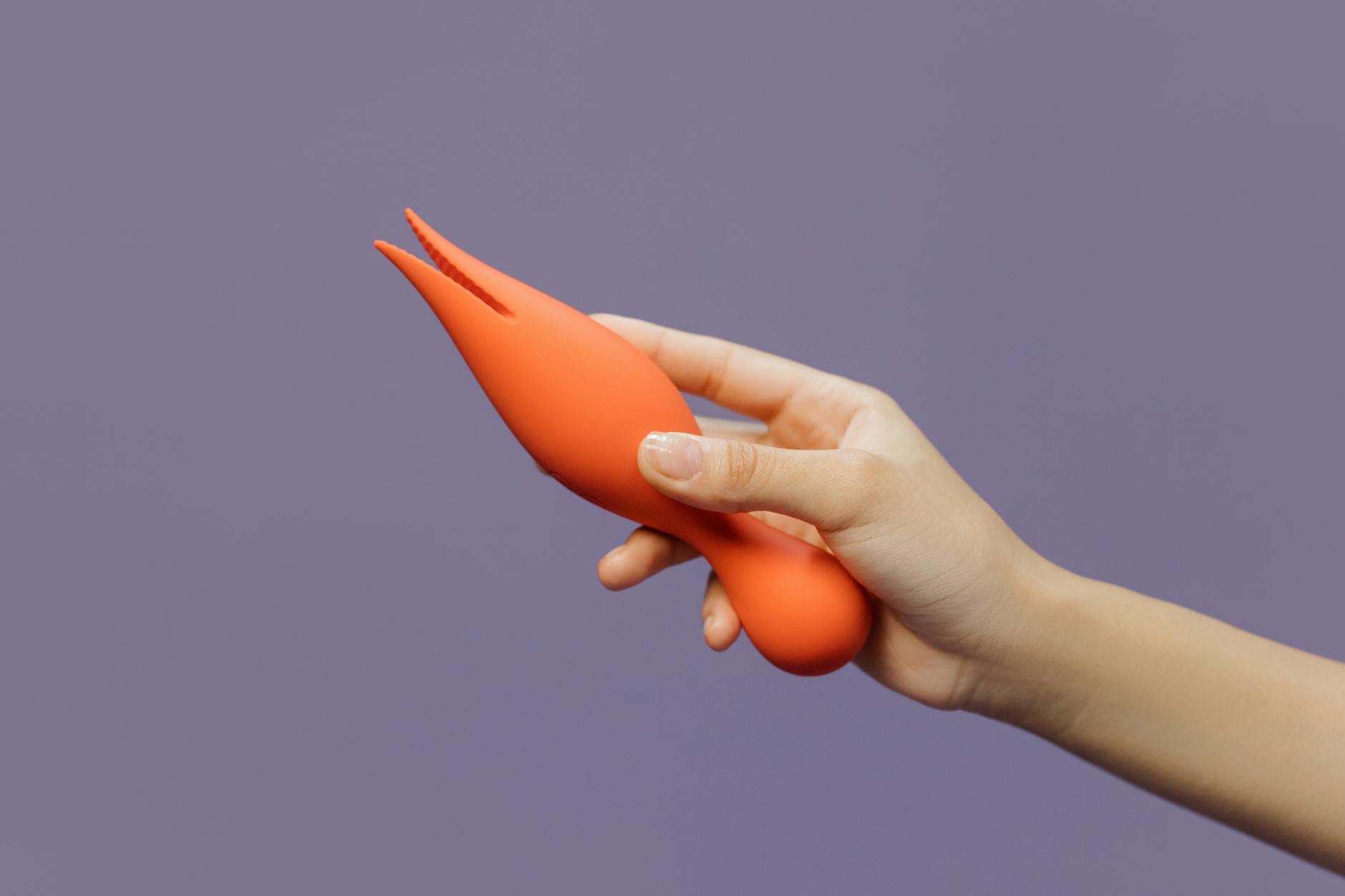
Let's start with the obvious difference
A lemon vibrator feels one way when it's your hand controlling it, and entirely different when someone else is holding it. That's not just psychological. The angle changes. The pressure changes. Your ability to adjust mid-session changes. And honestly, the vulnerability of having a partner in control changes everything about how your body responds.
Understanding those differences means you get more pleasure from both scenarios instead of assuming one is "better."
Using a lemon vibrator solo: the fundamentals
When you're alone, you have complete control. That's both a superpower and sometimes a trap.
Start by finding your angle. The lemon vibrator works best when the rounded head sits directly on your clitoris, but "directly" varies wildly person to person. Some people prefer a slight tilt toward the left or right. Some want the pressure coming from slightly above. Spend five minutes experimenting without turning it on, just finding where it feels most natural. That single adjustment can transform your whole experience.
When you switch it on, begin at a lower intensity. I know the instinct is to go straight to where you know you like it, but your body's responsiveness changes throughout the day and your cycle. Starting lower lets you warm up gradually, which often leads to more satisfying orgasms. It's not about being timid. It's about building momentum.
The huge advantage of solo play is that you can take breaks without anyone's experience being affected. If you hit a plateau, pause for 30 seconds, breathe, shift your angle, or change the pattern. You're not managing anyone else's engagement or timing. You can absolutely chase that exact sensation you felt yesterday without any pressure.
Many people also find that solo sessions are the best time to explore different patterns. The lemon vibrator has multiple modes. Cycle through them slowly. Some will feel incredible, some will feel like nothing, some will surprise you. Mapping your preferences in private means you know exactly what to ask for or show a partner later.
Using a lemon vibrator with a partner: preparation and communication
Before anything happens, have an actual conversation. Not sexy talk. Logistics.
Where will they be positioned? If they're sitting beside you, they have a different angle of approach than if they're between your legs or standing in front of you. What's your signal if you want them to change intensity or move to a different spot? "Stop" is obvious, but what about "slightly less intense" or "try pattern three"? A lot of people freeze up in the moment because they haven't agreed on how to communicate adjustments.
Talk about pressure too. A partner holding the vibrator is applying their own force on top of the device's vibration. That's more intense than you controlling it yourself, and it catches a lot of people off guard. Agree that they'll start with very light pressure and wait for you to ask for more rather than assuming heavier = better.
One more pre-conversation thing: clarify whether this is about your pleasure, their pleasure, or both. If a partner is focused on giving you an orgasm on a timeline, you'll feel that pressure and it's nearly impossible to relax into pleasure. If you frame it as "I want you to explore what I like," the entire energy shifts.
Make sure there's lube available. When a partner is holding the vibrator, there's less control over glide and friction, so lubrication matters more than in solo play.
The actual differences in sensation
When someone else controls the lemon vibrator, several things change immediately.
First: consistency. You can hold it at exactly the same angle, pressure, and intensity for as long as you want. Your hand won't shake from fatigue or stimulation. That steady, predictable sensation is either deeply grounding or oddly frustrating, depending on what you need. Some people reach orgasm faster with that consistency. Others need the slight variation that comes from their own hand controlling it.
Second: pressure points shift. Even if a partner is trying to replicate what you do solo, their arm angle, hand size, and strength create different pressure dynamics. For some people, that difference is incredibly hot. They love the sensation of being held or the feeling of someone else's strength against them. For others, it feels wrong. That's completely valid. You might discover you actually prefer solo play, and that's useful information.
Third: the psychological element is massive. Using a toy alone is you giving yourself pleasure. Using it with a partner involves trust, vulnerability, and the knowledge that they're watching your responses. That intensity can make orgasms stronger, but it can also make it harder to relax. Knowing that going in helps you breathe through the vulnerability instead of treating it as an obstacle.
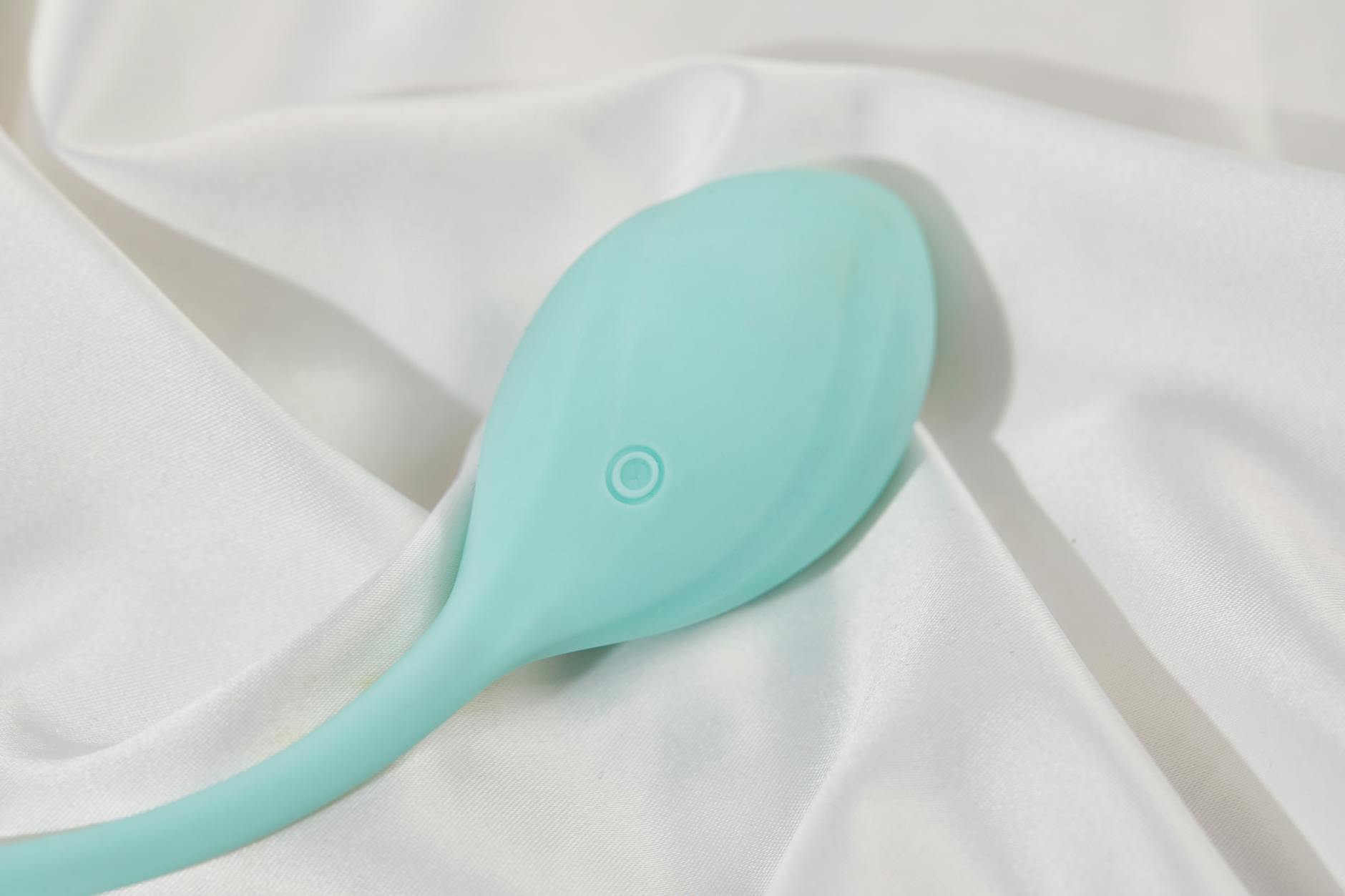
Photo by IFONNX Toys on Pexels
Building a partnered routine that actually works
If you're regularly using a lemon vibrator with a partner, figure out what role they're playing. Are they using it on you while you're facing them? While you're from behind? While you're lying back? Each position changes what they can see, what angle the vibrator hits, and how involved they feel.
Many couples find that starting with you controlling it while they watch, then transitioning to them taking over, works better than handing control over from the start. That way, you've already warmed up and they've seen what you respond to.
Pattern switching is easier with a partner because you can ask them to cycle through modes while you stay focused on your body. If you're managing the button yourself, your mental energy splits. Let them handle that.
If your partner is nervous about "doing it right," remind them there's no wrong way. The goal isn't a specific type of orgasm or a particular sensation. The goal is pleasure and connection. Even if the session doesn't lead to orgasm, if you both enjoyed the time together, it worked.
When solo play and partnered play need different approaches
You might discover that you need different settings alone versus with a partner. That's normal. Solo, you might love the highest intensity pattern because you control the build. With a partner holding it, that same intensity might feel overwhelming because you can't modulate it with micro-movements.
Or you might find that partnered play requires warmer-up time or different foreplay because the vulnerability takes a minute to settle into. Solo, you're ready immediately. Both versions are legitimate.
The other thing that shifts: sensitivity recovery time. When a partner uses a lemon clitoral vibrator on you, the stimulation is often more intense than self-directed play, which can mean you need a longer break before going again. If you're looking to recover sensation between sessions, that matters.
Troubleshooting common scenarios
If partnered play feels awkward, it might not be the vibrator. It might be that you haven't actually looked at your partner while they're touching you, or they haven't made eye contact with you. Sometimes the mechanics are perfect but the connection feels distant. Adding presence usually fixes that faster than technique adjustments.
If solo play suddenly feels less satisfying after partnered sessions, you might be chasing sensations that were partner-specific rather than device-specific. Give yourself a few solo sessions to recalibrate. Your body will remember what it likes.
If your partner is struggling with how to hold it or where to position it, show them. Put your hands over theirs, guide the angle, let them feel what you're responding to. It makes the learning curve way shorter and honestly feels more intimate than verbal instruction.
The real conversation underneath
Let's be direct: how you use a lemon vibrator together often reveals how you communicate about pleasure more broadly. If you can't say "less intense" during a vibrator session, you probably can't say it during other intimate moments either.
Using toys together is a practical skill, sure. But it's also an opportunity to practice vulnerability, ask for what you want, and let your partner know what feels good. Those conversations ripple outward into everything else.
FAQ
Can I use the same vibrator solo and with a partner without adjusting anything?
Technically yes, but you'll probably get more pleasure by making small adjustments. The pressure a partner applies changes how intense the vibration feels, so what works for solo play might be too much or too little with someone else. Start at a lower intensity setting with a partner and adjust from there.
What if my partner doesn't know what pattern or intensity I like?
That's exactly what exploration is for. Have your partner start on the lowest setting, then ask you to guide them higher or to different patterns. You can say "that's too much," "try pattern two," or "move it slightly left." It takes maybe 10 minutes to map preferences, and then they know for next time.
Is it normal to struggle with the vulnerability of partnered vibrator use?
Completely normal. You're being seen, touched, and you've handed some control over to someone else. That takes mental adjustment. Breathe through it, remind yourself that your partner chose to be there, and go slowly. The vulnerability often becomes the hottest part once you settle into it.
Does using a lemon vibrator with a partner mean I don't get to use it alone anymore?
Absolutely not. Solo and partnered play serve different needs. Solo play is meditative and self-directed. Partnered play involves connection and vulnerability. Both are valuable. Many people find that they genuinely prefer different scenarios depending on their mood, stress level, or what they need that day.
Should my partner use the same lemon vibrator on themselves?
You can share one device if you both want to, but some couples prefer having separate toys so you can each explore at your own pace and have your own tool optimized for your body. It's a logistical choice more than anything. Clean it between uses and you're fine either way.
What if partnered vibrator use triggers anxiety or discomfort?
That's worth pausing on. Sometimes it's just newness, and a few slower sessions will help. Sometimes it's a sign that you need to rebuild emotional safety or communication with your partner first. Both are valid. Talk to your partner about what specifically feels uncomfortable, and if it's bigger than just technique, consider working with a couples counselor. Pleasure should feel safe.
The long version
Whether you're using a lemon clitoral vibrator solo or with a partner, the device itself doesn't change. What changes is context, control, and connection. Solo play is about knowing yourself and what your body responds to. Partnered play is about trust, communication, and shared vulnerability. You'll probably find you prefer different things in each scenario, and that's not a flaw. It's information. Use it to get more pleasure, not less.