
How to Use a Lemon Vibrator for Pelvic Floor Health and Recovery
Let's be real: nobody talks about pelvic floor recovery like they should. After pregnancy, surgery, or even just aging, the muscles that hold everything up get weaker. The result is leakage, reduced sensation during sex, or that unsettling feeling that things aren't quite as tight as they used to be. Most of the advice out there is Kegels, Kegels, Kegels. But here's what actually works better, and why.
Why your pelvic floor matters beyond the obvious
Your pelvic floor is a hammock of muscle that supports your bladder, uterus, and bowel. It's also integral to orgasm. When those muscles are weak or disconnected, two things happen: you lose bladder control with a cough or sneeze, and you lose sensation during sex. The second one matters way more to most people, and nobody's willing to say it.
I work with clients in their 30s, 40s, and 50s who've had kids, had surgery, or are simply aging. The common thread? They notice reduced sensation, reduced orgasm intensity, or the inability to feel their partner during sex. They usually assume it's hormonal or permanent. It's not. It's pelvic floor weakness. And unlike Kegels alone, working with a lemon clitoral vibrator can rebuild both strength and sensation faster.
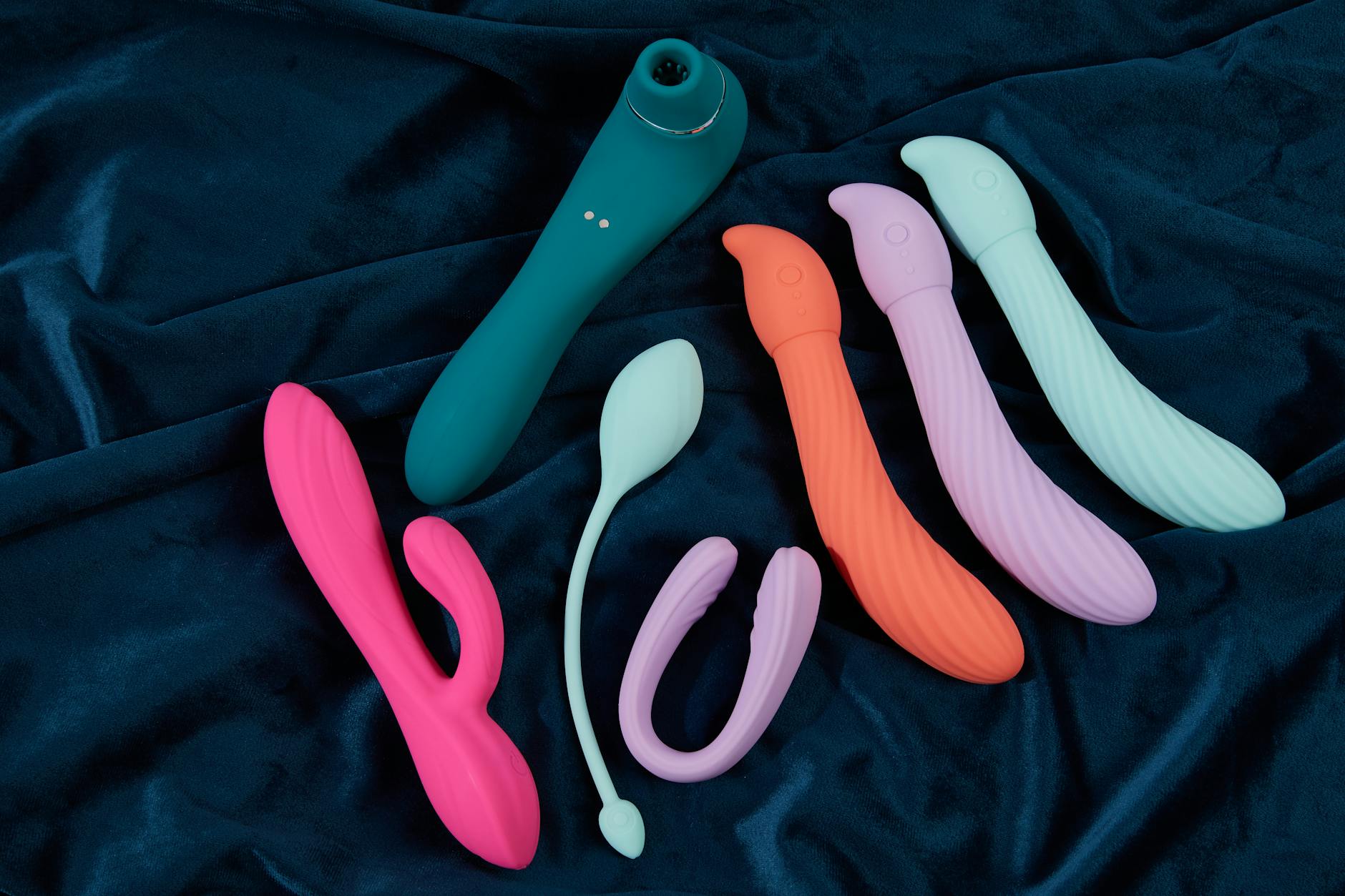
Photo by IFONNX Toys on Pexels
Here's the physics: when your pelvic floor is weak, you need stronger stimulation to feel anything at all. So you reach for high-intensity vibrators and train your nerves to need more and more. A lemon vibrator works differently. The suction-based stimulation (not just buzzing) engages the entire clitoral complex, including the internal branches, without requiring intense vibration. This trains your pelvic floor to fire properly without desensitizing you further.
The difference between Kegels and active pleasure
Kegels are isometric exercise: you squeeze and hold. They build strength, but they don't teach the pelvic floor to relax and release. That's the part most people skip, and it's why Kegels alone don't restore sensation.
When you use a lemon vibrator intentionally for pelvic floor recovery, you're doing something different. The stimulation creates micro-contractions and releases in the pelvic floor. Your muscles are learning to respond again. You're also regaining proprioception, which is fancy for "knowing where your muscles are and what they're doing."
The ritual looks like this: set aside 10 to 15 minutes of uninterrupted time. Start on the lowest setting (pattern 1 on most Hello Nancy lemon clitoral vibrators). Focus on what you feel, not on reaching orgasm. Notice the pulsation. Notice when your pelvic floor contracts naturally. This isn't about climax. It's about reconnection.
How to integrate this into recovery
If you're recovering from childbirth, wait until you have medical clearance for penetration or sexual activity (usually 4 to 6 weeks). Then start slow. The suction-based design of a lemon vibrator is gentler than traditional vibration, which makes it ideal for recently recovering tissue.
If you've had pelvic surgery, similar timeline. If you're dealing with age-related pelvic floor decline, you can start immediately.
The progression: Weeks 1 to 2, use the lowest pattern for 5 to 10 minutes daily. Don't push for orgasm. Let the stimulation teach your pelvic floor to respond. In weeks 3 to 4, increase duration to 10 to 15 minutes and notice if you're moving up to pattern 2. By week 5, you might actually feel an orgasm building, but don't chase it. Let it come as a side effect of the reconnection process.
After 6 to 8 weeks of consistent use, most of my clients report significant improvement in sensation, stronger orgasms, and reduced incontinence. That's not magic. That's neuromuscular retraining.
The role of relaxation, not just contraction
Here's where pelvic floor recovery gets misunderstood. People assume a "tight" pelvic floor is a healthy one. It's not. A healthy pelvic floor contracts and releases. Many people who've had trauma or tension end up with a hypertonic pelvic floor, meaning it stays clenched all the time. That creates pain and actually reduces sensation.
When you're using a lemon vibrator for recovery, part of the benefit comes from learning to relax during pleasure. The suction pattern creates a rhythm your pelvic floor learns to follow. You contract on the pulse, release between pulses. Over time, this teaches your nervous system that it's safe to relax.
If you find yourself gripping the entire time, dial back the intensity. Lower patterns encourage that release reflex more naturally than aggressive buzz.
What changes as your pelvic floor recovers
After 4 to 6 weeks of intentional use, you'll notice: stronger orgasms, reduced leakage with physical activity, increased sensation during partnered sex, and often, increased desire. That last one matters. Many people assume desire dropped. Often, it's just that sensation dropped and took desire with it.
You'll also notice you can enjoy higher intensity without discomfort. You've rebuilt the tissue capacity and the neural pathways. Now you have choices again, which is what pleasure actually means.
Partnered play during pelvic floor recovery
If you have a partner, this is worth a conversation. Let them know you're doing pelvic floor recovery work. You might invite them into the process, or you might prefer to do the early stages alone. Both are valid.
When you're ready to include a partner, the same principles apply: lower intensity initially, longer warm-up, focus on sensation not performance. A lemon vibrator during partnered sex can actually provide gentler stimulation than fingers or a penis during entry, which makes it ideal for someone rebuilding pelvic floor capacity.
Read more on how to incorporate a lemon vibrator with a partner if you want to explore that angle.
When to see a pelvic floor specialist
If after 8 weeks of consistent use you're not noticing improvement, or if you have pain, see a pelvic floor physical therapist. They're not doctors, but they're specialists in this exact problem. They can assess whether you have hypertonic pelvic floor (too tight), weak pelvic floor, or a coordination problem. The treatment plan shifts based on what's actually happening.
If you have incontinence that's severe, that's worth mentioning to your GP. It's usually fixable, but it sometimes points to other issues worth ruling out.
The data on vibrators and pelvic health
Research on vibrators and pelvic floor health is limited but growing. What we know: vibration-based devices improve orgasm capacity and sensation in people with decreased sexual function. Air-suction devices like lemon vibrators show promise for reducing tissue trauma because they distribute pressure more evenly than point vibration. And yes, regular sexual stimulation (including solo use) correlates with better pelvic floor health in midlife and beyond.
The mechanism isn't mysterious. Stimulation increases blood flow, increases nerve signaling, and trains muscle memory. Your pelvic floor responds just like any other muscle: use it smartly, and it gets stronger and more responsive.
FAQ: Pelvic floor recovery and lemon vibrators
Can I use a lemon vibrator if I had a C-section?
Yes, after you have medical clearance. C-section is abdominal surgery, not pelvic surgery, so your pelvic floor itself wasn't cut. That said, the pelvic floor often tightens protectively after any major surgery. Give yourself the full 4 to 6 week healing window before using any vibrator, then proceed as outlined above.
How do I know if my pelvic floor is actually weak vs. just feeling loose?
Weak pelvic floor shows up as leakage with exercise, inability to stop mid-stream when urinating, or lack of sensation during sex. Feeling "loose" is usually psychological, not physical. A pelvic floor physical therapist can assess with biofeedback tools, but honestly, if sensation is low and you're using a lemon vibrator intentionally for 6 to 8 weeks, you'll feel the difference.
Is it normal to feel sore after using a lemon vibrator for pelvic floor work?
No. If anything hurts, stop and dial back the intensity or frequency. Soreness means you're either using too much intensity or using it too frequently. The pelvic floor recovers slower than you'd think. Daily use is fine, but at low intensity. If you jump to high intensity too fast, you'll exhaust the muscle rather than strengthen it.
Can I use a lemon vibrator if I still have stitches or healing wounds?
No. Wait until all external healing is complete. Your doctor will tell you when. Typically, that's 4 to 6 weeks. Internal healing takes longer, but external wounds need to be sealed before you introduce any device.
Should I do Kegels while using a lemon vibrator?
No, not during. Let the vibrator do the work and teach your pelvic floor to respond naturally. After you've finished, you can do Kegels as a separate exercise if you want, but the vibrator session itself should be about passive reconnection.
How long before I notice real results?
Most of my clients notice reduced incontinence and increased sensation within 4 to 6 weeks. Orgasm intensity often takes 6 to 8 weeks. If nothing has shifted by week 10, see a pelvic floor specialist. You might need targeted physical therapy to address a specific dysfunction that vibration alone can't fix.
The bigger picture
Your pelvic floor isn't separate from your pleasure. It's central to it. When it's weak or disconnected, pleasure suffers. When you rebuild it intentionally, pleasure returns faster than you'd expect. A lemon vibrator is a tool for that reconnection, not a magic fix. But when used correctly over weeks, it works.
Recovery is patient work. It's boring sometimes. But the payoff is real: better sensation, stronger orgasms, more confidence in your body, and less leakage. That's not a minor thing. That's your quality of life improving.
If you want support navigating pelvic floor recovery alongside your relationship or want to talk through how to bring a partner into this process, reach out. That's what I'm here for.