Let's be real about stress and desire
You're not broken. Your body is doing exactly what it's supposed to do. When you're chronically stressed, your nervous system stays in fight-or-flight mode. That means your brain is scanning for threats, not signaling "time for pleasure." Cortisol and adrenaline stay elevated, which shuts down the cascade of hormones that fuel arousal. Your libido hasn't disappeared. It's been hijacked by anxiety.
The irony is that pleasure is one of the fastest ways to interrupt that stress cycle. But you can't think your way into desire when you're running on fumes. You have to bypass the thinking brain entirely.
Why stress nukes arousal (and why your lemon vibrator is the fix)
Here's the neurobiology in plain terms. Your brain has two main nervous system gears: sympathetic (fight-or-flight) and parasympathetic (rest-and-digest). Arousal lives in the parasympathetic gear. When you're stressed, you're locked in sympathetic. Your body thinks there's a tiger nearby. Sex feels impossible because your brain has decided you should be running, not relaxing.
This isn't laziness. It's not disinterest in your partner. It's not a sign that your relationship is doomed. It's literally your nervous system protecting you from perceived danger.
A lemon clitoral vibrator like the Lem works because it provides direct, consistent stimulation that doesn't require you to generate arousal first. You don't have to feel "in the mood." You don't have to trust your body. You just have to feel the sensation. And sensation, when it's strong and pleasurable enough, can interrupt the stress loop. Your nervous system gets the signal that you're safe. That you're allowed to feel good. That's when the parasympathetic gear can finally kick in.
The reset protocol: starting when you have zero bandwidth
When desire is gone and stress is high, you need permission to keep it simple. This isn't about performance or reaching a particular goal. It's about teaching your body that pleasure is still available to you.
Start with five minutes, not thirty. Set a timer. Give yourself permission to stop whenever. The goal is to introduce sensation, not to prove anything. Your lemon adult toy is just a tool for interrupting the stress pattern, nothing more.
Do it alone first. If you have a partner, that's a conversation for later. Right now, remove the pressure of coordinating, performing, or managing someone else's expectations. Solo exploration with your clitoral vibrator is how you rebuild your own arousal response without the additional cognitive load.
Lie down, not in the bedroom. Use the couch, the bathtub, somewhere outside the context of "sex." You're not trying to initiate sex. You're just noticing what your body can feel. This small reframe cuts the mental chatter significantly.
Start at the lowest setting. With the Lem or any lemon vibrator, begin at pattern one. Stress and anxiety can leave you feeling numb, so you might be tempted to jump to high intensity immediately. Don't. Let your nervous system recognize subtle sensation first. This is retraining, not racing.
The nervous system pathway to rediscovering desire
Once you've done a few five-minute sessions, your body will likely start to shift. You might notice arousal returning. You might feel nothing at first and that's fine. Both are normal. What matters is the pattern: over time, your parasympathetic system learns that it's safe to relax into pleasure again.
When you feel a flicker of interest (even mild), that's your cue to extend the time slightly. Maybe ten minutes next time. Start at pattern two instead of one. Your nervous system is recalibrating. Think of it like physical therapy for your arousal response.
One thing I see frequently with clients dealing with stress-related low desire is that they expect arousal to return all at once. It usually doesn't. It returns in waves. Some sessions will feel more responsive than others. That's not failure. That's the nervous system learning to trust pleasure again after a period of threat.
If you have a partner, this is the moment to bring them into the conversation. Not the bedroom. The conversation. Tell them what you're noticing. Tell them this is your experiment in rebuilding arousal, and you'll loop them in when you're ready. A partner who understands that reconnecting with solo pleasure is a step toward reconnecting with shared pleasure will become your ally instead of your obstacle.
The practical stuff: making it actually happen
Low desire plus high stress usually means low energy too. You probably don't have time for elaborate preparation. Here's what actually works.
Schedule it like an appointment. Not romantic, but realistic. "Tuesday and Friday at 8 p.m.," or whatever. Your brain is stressed because there's no structure and too many loose threads. Adding one small structured thing you control can be surprisingly calming.
Keep your lemon vibrator somewhere accessible. Nightstand, bathroom shelf, whatever. The friction of having to hunt it down will kill the moment when you're already depleted.
Water-based lubricant helps, especially if stress has made you feel a bit dry or numb. It's not about anything being wrong. It's just the body's response to cortisol. A little lube makes the sensation clearer. Some people find that the act of preparing lubricant also signals safety to their nervous system. "I'm taking care of myself." That matters.
Don't expect it to feel "good" at first. "Noticeable" is the goal. Your nervous system is learning the difference between threat and safety. That's more fundamental than pleasure. Pleasure usually shows up once safety is reestablished.
When to involve a partner
If you're in a relationship and your partner has noticed the desire drop, they might be feeling rejected or anxious themselves. That's understandable and separate from what you're experiencing. These conversations go badly when you try to have them in the moment (during attempted sex, after being touched when you don't want to be). Have them in neutral territory. Over coffee, in the car, somewhere outside the bedroom.
The script I give clients is simple. "My stress has tanked my ability to feel aroused. This isn't about you or us. I'm working on rebuilding my own arousal response. I'm going to need some space and patience, and I'll keep you in the loop." Most partners respond well to this because it's honest, it includes them in the solution, and it removes blame.
When you're ready to try partnered sex again, tell your partner you need things slow and low-pressure. They can be in the room, but their job isn't to "turn you on." Their job is to be patient while you rebuild. Some couples find that using the lemon clitoral vibrator together is actually easier than traditional sex at this stage. It takes the performance pressure off and lets everyone focus on sensation.
The longer arc: when does desire come back
This varies wildly. Some people feel a shift in two weeks. Others take two months. It depends on how stressed you are, what's driving the stress, whether you're sleeping, whether your nervous system feels safe. If the stress is ongoing and unresolved, desire might stay flat no matter how much you use a lemon vibrator. That's not a toy failure. That's a signal that the stressor needs attention.
Sometimes that means talking to a therapist. Sometimes it means setting boundaries at work. Sometimes it means having a hard conversation with your partner about something that's been sitting unspoken. Sometimes it's just sleep deprivation and three changes later, you're fine. The point is: pay attention to the whole picture, not just the desire metric.
Using a lemon adult toy is a form of self-care and nervous system regulation. It's not a substitute for addressing the actual stressor. But it is a way to interrupt the stress loop while you work on the bigger stuff. Your body deserves to feel good even while things are hard.

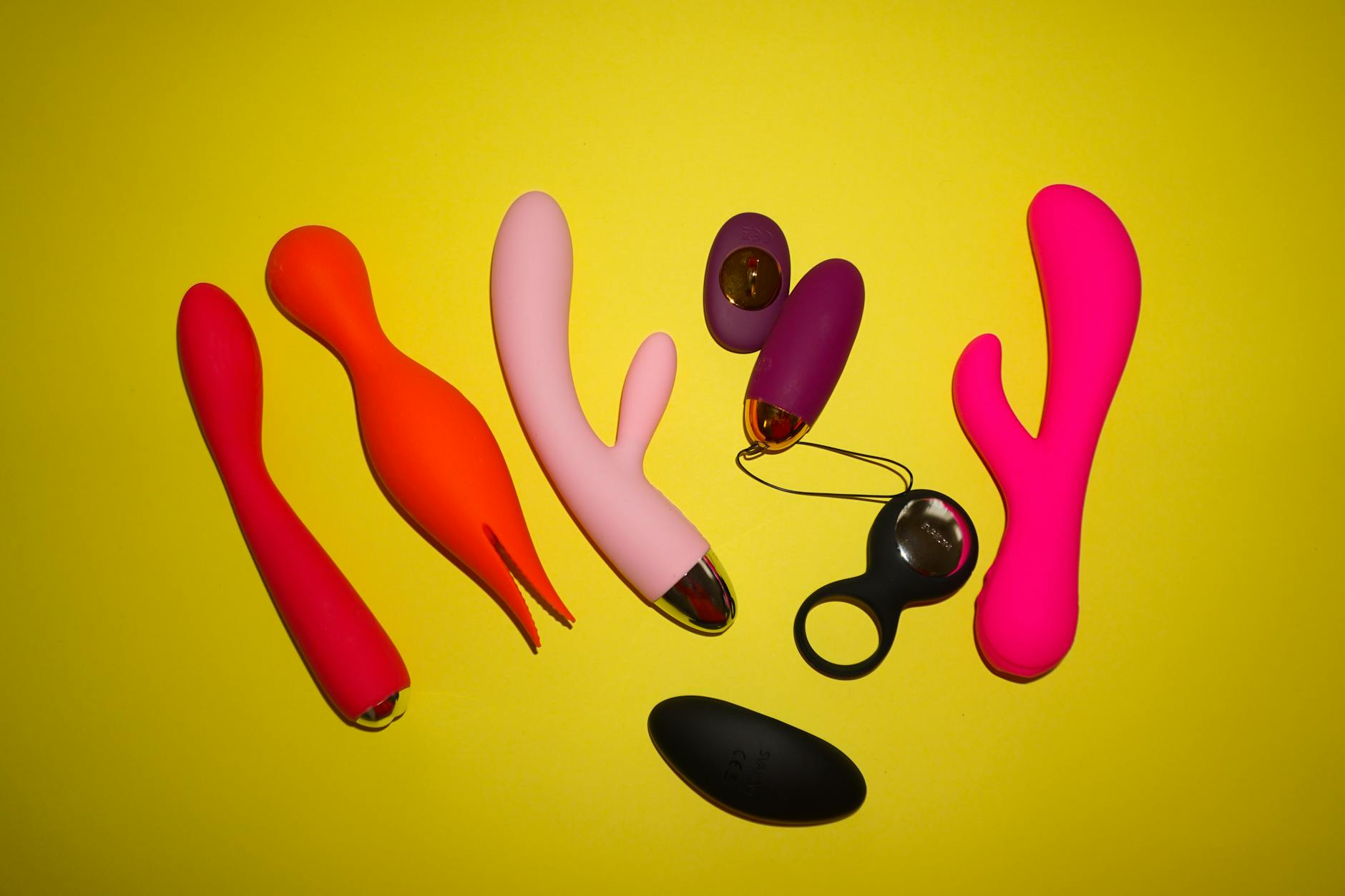
Photo by cottonbro studio on Pexels
People also ask
Can a lemon vibrator actually help with stress relief beyond just sexual pleasure?
Yes. Orgasm triggers the release of oxytocin and dopamine, both of which calm the nervous system. But even without orgasm, the act of lying down, closing your eyes, and allowing your body to feel pleasure interrupts the stress cycle. Think of it as a reset button for your nervous system rather than strictly a sexual experience. Many clients use their lemon clitoral vibrator the same way they'd use meditation or a bath. It's a somatic way to signal safety to your body.
How long should I wait before involving my partner again if stress has killed my desire?
There's no timeline. You'll know it's time when you've had a few solo sessions where you felt something consistent, and when you feel curiosity about your partner again instead of dread or obligation. Some people are ready in a few weeks. Others need a couple of months. Rushing it usually backfires. Your partner would rather wait and have you genuinely interested than have obligatory sex that reinforces the disconnection.
What if nothing happens even after using a lemon vibrator regularly?
First, give it at least four weeks of consistent practice. Your nervous system needs time. If you're still feeling completely numb after that, talk to a doctor. Sometimes low desire signals thyroid issues, hormonal imbalances, medication side effects, or depression that needs clinical support. A lemon sexual toy is helpful for many things, but it's not a treatment for underlying medical conditions. Also consider whether the stress itself is ongoing and unresolved. You might rebuild arousal and then lose it again if the stressor is still there.
Can I use my lemon vibrator while my partner is in the house or next to me in bed?
You can. Some couples find it helps to explore solo pleasure in shared space. The Lem is quieter than many vibrators, so it's possible. But if you're still in the rebuilding phase, solo sessions alone tend to work better because there's zero pressure to perform or synchronize. Once you're feeling more stable in your own arousal, partnered exploration can be a really connecting experience. You get to show your partner what works for you instead of just describing it.
Is it normal to feel anxious the first time I use a lemon clitoral vibrator when I'm stressed?
Completely normal. You might feel vulnerable or uncomfortable. That doesn't mean you're doing it wrong. Your nervous system is learning that this is safe. Some anxiety usually fades after the first few tries. If it intensifies or becomes overwhelming, pause and check in with yourself. Are you actually feeling safe in your space? Do you need to close the door, put your phone away, or change the lighting? Sometimes environmental tweaks make a big difference. If the anxiety persists after you've addressed those factors, talk to a therapist. There might be some deeper stuff to untangle.
Should I be using lube with my lemon vibrator if stress has made me feel numb?
Yes. Numbness is common under chronic stress. A little water-based lubricant makes the sensation from your clitoral vibrator clearer and more pleasurable. It's not a sign that something's wrong with you. It's just the body's response to living in high-stress mode. Using lube isn't cheating or giving up. It's a tool that helps you feel your own body more clearly. That matters.
Final word
Stress doesn't kill your capacity for pleasure. It just puts it on hold. Your nervous system needs permission to relax, and sometimes that permission has to come from direct, consistent sensation rather than from willpower or thinking about it. A lemon vibrator is that permission. You don't need to have perfect conditions or perfect emotional availability. You just need five minutes, a tool, and the willingness to notice what your body can still feel. Everything else rebuilds from there. If you're ready to explore solo pleasure as part of your stress recovery, start small and be patient with yourself. Your desire isn't gone. It's just waiting for you to feel safe again.