Let's talk about the unpredictability
Some days your lemon vibrator gets you there in five minutes. Other days you can't finish at all, even though physically nothing's changed. You're not losing your ability to enjoy pleasure. Your hormones are just rewriting the script week to week.
Hormonal fluctuation affects arousal speed, sensitivity, lubrication, and how your nervous system responds to stimulation. The frustrating part isn't the changes themselves. It's that most guides pretend your body should stay consistent, which sets you up to feel broken when it doesn't.
What hormones actually control
Your cycle (whether you menstruate or not) is run by four main hormones: estrogen, progesterone, testosterone, and FSH. Each one influences blood flow, tissue thickness, nerve sensitivity, and neurotransmitter production in your brain. When any of these shift, your pleasure response shifts with them.
Estrogen peaks mid-cycle and dips before your period. During high-estrogen phases, blood flows more readily to your genitals, lubrication comes faster, and your clitoris is more sensitive. During low-estrogen phases, the opposite happens. The tissues thin slightly, you need more time to warm up, and the same vibration pattern that worked last week might feel either too gentle or too intense.
Progesterone rises after ovulation and amplifies your baseline anxiety. This is pure neurobiology, not weakness. Higher progesterone means your nervous system is more vigilant, which can make it harder to relax into pleasure. Testosterone (yes, you produce it) affects desire itself. When testosterone dips, orgasm becomes harder to access, even if the physical sensation is pleasant.
The two problems hormonal shifts create
Problem 1: Inconsistent sensitivity. On high-estrogen days, your clitoris might feel almost hypersensitive to stimulation. Your lemon vibrator at pattern 5 feels intense and direct. On low-estrogen days, the same pattern feels almost muted. You're not losing sensation. The tissue is thinner, blood flow is lower, and your nerve endings are less responsive. This is temporary.
Problem 2: Variable arousal speed. Some days you're aroused from the moment you start. Other days you need 15 minutes of foreplay, mental focus, and the right setting to get your body interested. This isn't low libido. It's your autonomic nervous system responding to hormonal cues. When progesterone is high, your sympathetic nervous system (fight-or-flight) is more active. Getting aroused requires deliberately shifting into parasympathetic mode (rest-and-digest).
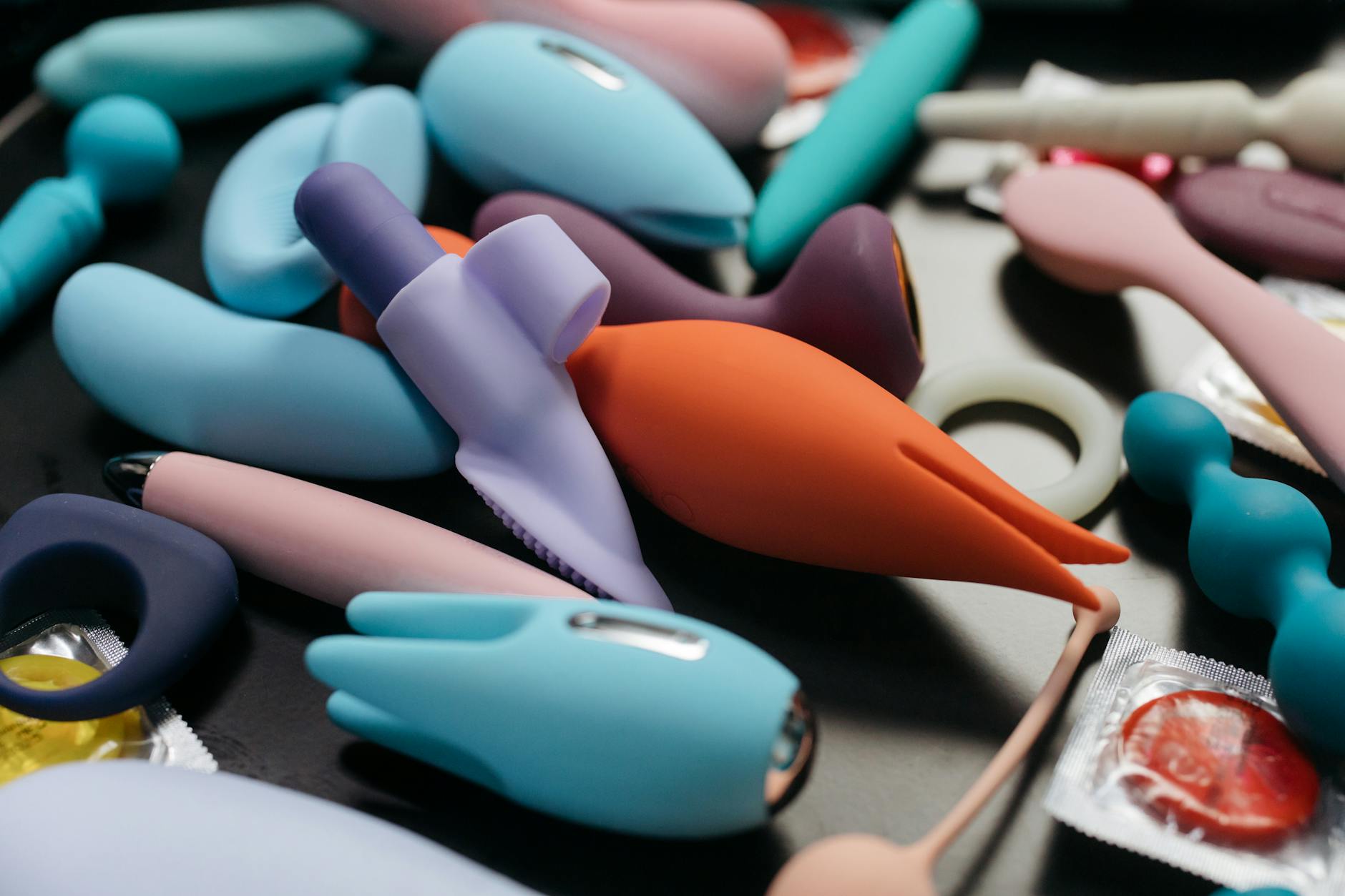
 Photo by SHVETS production on Pexels
How to adjust your lemon vibrator technique throughout your cycle
During high-estrogen phases (typically days 8-14 of your cycle):
Your body is primed for sensation. Start at lower intensity than you normally would. If you usually hover around pattern 3, try pattern 1 or 2. The added blood flow means your tissues are already more responsive, and you can ramp up faster from a lower baseline. Warm-up time shortens. You might only need 5-10 minutes of buildup before the vibrator feels effective.
During these phases, your lemon vibrator's suction mechanism works particularly well because your tissues have more volume and elasticity. The direct clitoral contact feels more pleasurable and less numbing because your nerves are firing more readily.
During low-progesterone, mid-follicular phases:
Your mood is lighter and focus comes easier. This is the sweet spot for trying new patterns or exploring sensation because your parasympathetic nervous system is naturally more dominant. Anxiety is lower, so your body trusts stimulation more quickly.
During the luteal phase (days 15-28, after ovulation):
Progesterone is climbing, and anxiety is rising with it. Your nervous system needs more deliberate calming. Start with foreplay, breathing work, or time spent just enjoying sensation without the goal of orgasm. Your lemon vibrator will feel more effective if your body is genuinely relaxed first.
Lower intensity is typically better during this phase, not because your sensitivity has disappeared, but because high stimulation can trigger the fight-or-flight response when progesterone is elevated. Pattern 1 or 2, with longer warm-up, often works better than jumping to pattern 4.
During your period (if you menstruate):
Hormones are at their lowest point, which sounds like it should kill pleasure. Paradoxically, many people report easier, more intense orgasms during menstruation because pelvic muscles are naturally more relaxed and blood flow is already concentrated in your pelvic region. Your clitoral tissue might feel slightly less sensitive due to lower estrogen, but your overall responsiveness can actually increase.
Use a menstrual disc or cup if you want to explore pleasure during your period, and know that you might need slightly higher intensity from your lemon vibrator because baseline sensitivity is lower.
Lubrication, timing, and other variables
Lubrication changes alongside hormones. During high-estrogen phases, your body produces more natural lubrication. During low-estrogen phases, you'll need external lube even if you don't normally use it. Water-based lube pairs perfectly with any lemon vibrator and doesn't require reapplication as often as you might think. One application at the start usually lasts through the entire session.
Timing matters. Trying to finish quickly when your hormones are in a low-responsiveness phase creates tension and frustration. Instead, give yourself 20-30 minutes with zero pressure to reach any particular outcome. Sometimes pleasure during these phases is less about intense orgasm and more about gentle sensation and connection. Both are valid.
Stress amplifies hormonal unpredictability. High cortisol suppresses arousal hormones and makes your nervous system harder to shift into parasympathetic mode. If you're in a stressful week, give yourself even more runway and gentler patterns. Your lemon vibrator will be just as effective once your nervous system relaxes.
The mental game
Here's the invisible part no one talks about: anticipating unpredictability creates tension that makes unpredictability worse. If you're approaching your lemon vibrator worried that today might be an "off day," your nervous system tenses preemptively. This blocks arousal.
Instead, shift the frame. On high-estrogen days, you're exploring intense sensation. On low-estrogen days, you're exploring subtle sensation. Neither is worse. They're different textures of pleasure, and your nervous system benefits from learning both.
Track your cycle if you want data. Many people notice their optimal lemon vibrator pattern shifts predictably week to week once they have a few months of notes. Others find the tracking itself becomes stressful. Skip it if it doesn't help you.
When to worry (and when not to)
Hormonal unpredictability that follows your cycle is normal. Unpredictability that's random and chaotic, or that's coupled with other changes like sudden fatigue, mood swings beyond your baseline, or pain, might signal something else. PCOS, thyroid dysfunction, hormone imbalances, or medication changes can all affect arousal in ways that don't follow a cycle pattern.
If your lemon vibrator has worked reliably for months and suddenly stops, or if pleasure disappears entirely for weeks at a time, check in with a doctor. Hormonal health is real health, and it deserves attention.
For typical hormonal fluctuation within a cycle, your lemon vibrator's flexibility is actually an asset. You can adjust intensity, pattern, lubrication, and timing to work with your body's natural rhythms instead of pretending those rhythms don't exist.
The pattern that actually works
Most of my clients land on a rhythm like this: track roughly where you are in your cycle (even loosely), start at lower intensity than feels necessary, and let your body tell you if it wants more. If after 10-15 minutes of a gentle pattern you're not feeling it, try the next level up. If you feel yourself tensing or the stimulation becomes unpleasant, drop back down.
Your lemon vibrator works best when you stop trying to force a consistent experience and start noticing what your body actually wants each week. That's not chaos. That's listening.
FAQ
Why does my lemon vibrator feel numb during certain weeks?
Lower estrogen means thinner tissue and less blood flow to your clitoris. This isn't permanent numbness. It's reduced responsiveness that returns when hormone levels shift. Using more lubrication, giving yourself longer warm-up time, and sometimes bumping up to a slightly higher intensity pattern can help. Numbness that persists across your entire cycle warrants a check-in with your doctor.
Can hormonal birth control affect how my lemon vibrator feels?
Absolutely. Hormonal birth control (pills, patches, rings) suppresses natural hormone fluctuation, which means your sensitivity stays more consistent month to month. Some people love this predictability. Others find that steady-state hormones lower their baseline arousal or clitoral sensitivity. If your lemon vibrator stopped working the way it did before you started birth control, this is likely why. It's worth discussing with your prescriber whether timing, dose, or method might help.
What if my cycle is irregular?
Irregular cycles make tracking harder but not impossible. Jot down when you notice shifts in arousal, lubrication, or sensitivity. After a few months, patterns often emerge even if your cycle isn't 28 days. If your cycle is erratic enough that no pattern emerges, focus on the weekly approach instead: each session, start low and listen to what your body wants that day.
Is it normal for my lemon vibrator to feel almost painful during certain phases?
Mildly increased sensitivity during high-estrogen phases is normal. Pain is not. If the suction or vibration becomes actually painful (not just intense), drop the intensity immediately and reassess. You might need more lubrication, a longer warm-up, or a day off. Sharp or persistent pain during sex or with your vibrator should be checked by a gynecologist.
How do I know if my hormonal changes are normal or a sign of a problem?
Normal: sensitivity and arousal speed shift week to week in a pattern. Mood and energy fluctuate in ways that roughly follow your cycle. You still enjoy pleasure and orgasm is possible, even if the ease or intensity varies.
Worth checking: arousal or sensitivity changes that are random and unpredictable rather than cyclical. Complete loss of interest in pleasure for weeks at a time. Pain during sex or with your vibrator. New fatigue, mood changes beyond your baseline, or other unexplained physical symptoms alongside the arousal shifts.
Can stress really affect how my lemon vibrator feels?
Completely. High stress raises cortisol, which suppresses dopamine and arousal hormones. Your nervous system stays in sympathetic mode (fight-or-flight), making it almost impossible to relax into pleasure. During stressful weeks, your lemon vibrator will feel less effective not because anything is wrong with it, but because your body is defending itself. Lower stress, longer foreplay, and gentler patterns help.
The bigger picture
Your body isn't inconsistent. It's responsive. Hormonal shifts are a feature of how you're built, not a flaw you need to overcome. Once you stop treating your lemon vibrator like it should deliver the same experience every time and start using it as a tool that adapts to your changing physiology, pleasure gets easier, not harder.
If you want more guidance on building a pleasure routine that works with your body's natural rhythms, reach out. That's what I'm here for.