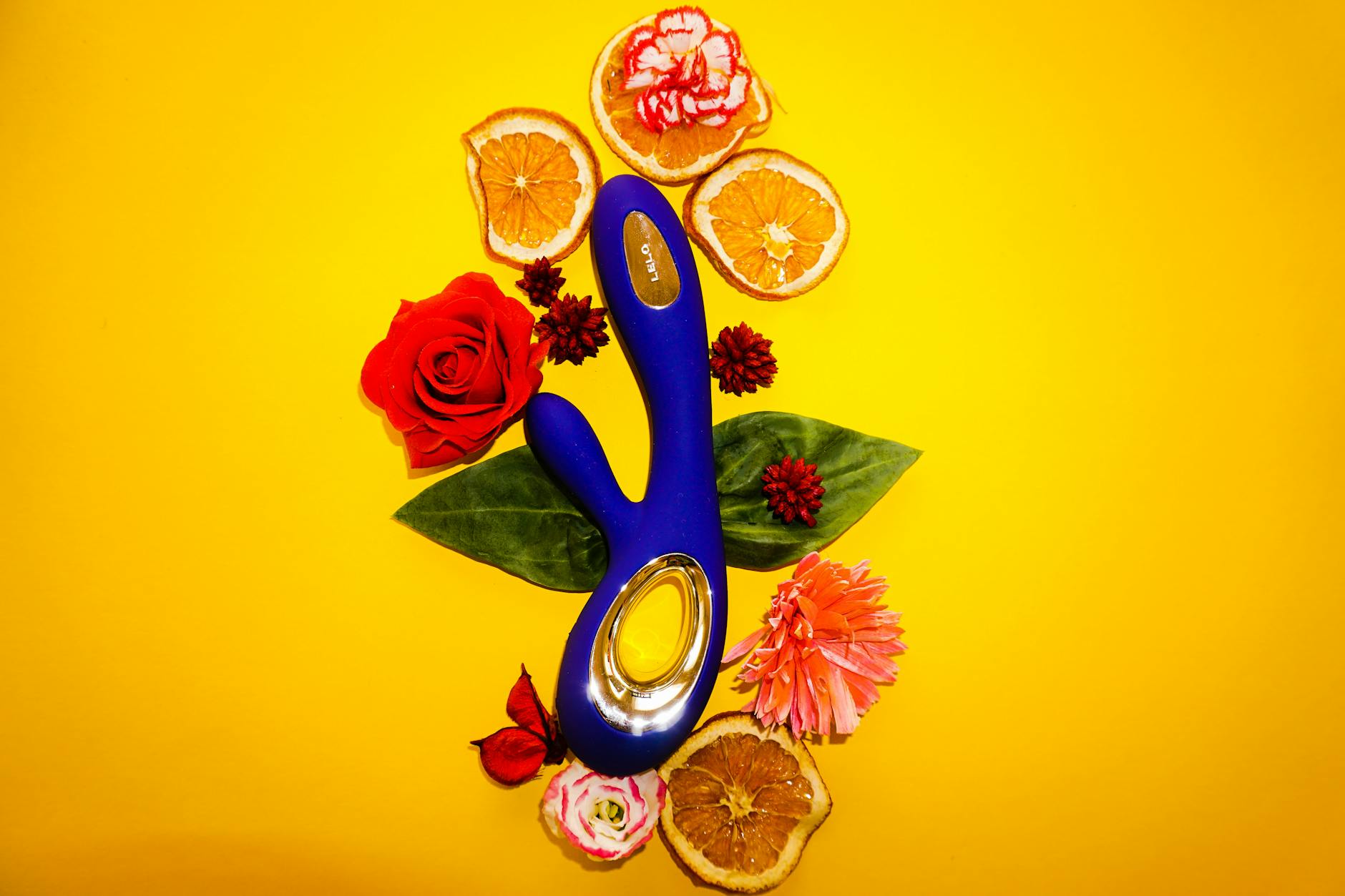
Let's get real about sensation after 50
If you're over 50 and you've noticed that touch feels different, that arousal takes longer to build, or that the intensity of sensation has shifted, you're not losing your capacity for pleasure. You're gaining information about how your body actually works now. That's not a downgrade. It's recalibration.
Honestly, most of the cultural noise around aging and sexuality is designed to make you feel like you're past your expiration date. You're not. But your nervous system has changed, your hormones have shifted, and your lemon vibrator might need a different approach. That's the part nobody talks about clearly.
What actually changes in your nervous system after 50
Three major shifts happen in the pleasure pathway as you age. First, nerve sensitivity doesn't disappear, but it does require more sustained stimulation to wake up. Think of it less like "you've lost feeling" and more like "your body needs a longer warm-up."
Second, blood flow to the clitoris takes longer to peak. When you were 25, arousal might have happened in minutes. Now it might take 15 to 20 minutes of consistent build-up. This isn't a problem. It's actually an advantage if you work with it instead of against it.
Third, orgasms themselves can feel different. Some people describe them as deeper and more full-body. Others say they're more focused and concentrated. Neither is better or worse. They're just different textures of the same pleasure.
What doesn't change: your clitoris still has 8,000 nerve endings. Your brain's capacity for pleasure is intact. Your ability to orgasm, sometimes intensely, is still absolutely real.
Why a lemon clitoral vibrator works especially well at this stage
A lemon vibrator uses air-suction technology, which is genuinely different from traditional vibration. Instead of direct friction, it creates a gentle rhythmic pulse that stimulates without requiring the kind of mechanical pressure that can feel overwhelming on tissue that's become more delicate with age.
The pattern of stimulation feels less jarring and more like a sustained, building sensation. For people over 50, this tends to feel more intuitive than the on-off rhythm of standard vibrators. Your lem vibrator essentially lets you control the pace of arousal buildup instead of being shocked by sudden intensity.
The suction mechanism also means you can layer it. Start with a lower pattern, let sensation build gradually, then shift up once your body is ready. This graduated approach often creates deeper, longer-lasting orgasms than the old "high intensity from the start" model ever did.
How to recalibrate your lemon vibrator for your body now
Start with pattern 1 or 2, not 3. If you've been using your lemon vibrator at a higher intensity, dial it back. More sensation isn't better at this stage. Sustained, gentle stimulation that gives your nervous system time to respond is. Spend 3 to 5 minutes at the lowest setting before you even think about turning it up.
Extend your warm-up time to 20 to 25 minutes. This sounds long, but it's not wasted time. It's foreplay with yourself. Use the first 10 minutes at low intensity to let your body remember what arousal feels like. Then gradually increase. Your lem vibrator's pattern options are designed for this kind of progression.
Add lubrication, even if you think you don't need it. Tissue changes after 50, even if you're not dealing with clinical dryness. A water-based lubricant makes the suction sensation glide more smoothly and reduces any micro-friction that can feel uncomfortable. You're not broken if you use it. You're being smart.
Shift your mindset about the plateau phase. That moment where stimulation feels great but orgasm isn't happening yet isn't frustration. It's the good part. Stay with it. Let sensation deepen and spread through your whole pelvic floor. Orgasms that come after a longer plateau often feel more expansive.
The role of hormonal shifts and how to work around them
After menopause, estrogen and testosterone both drop. This affects tissue thickness, lubrication production, and how quickly the clitoris engorges. It's not permanent loss of function. It's a change in the speed and intensity of the response.
The upside: many people report that their most satisfying orgasms have come after menopause. Reduced hormonal cycling means less distraction. You're not managing fertility concerns or hormonal mood swings. There's a clarity that sometimes translates into more focused pleasure.
If lubrication is a genuine issue, not just a preference, it's worth a conversation with your doctor about topical estrogen creams or other options. But most people over 50 find that the combination of extended warm-up time, the right tool (like a lemon vibrator), and better lubrication solves most of the mechanical pieces.
When sensation feels genuinely numb or distant
There's a difference between "sensation has changed" and "I feel almost nothing." If you're experiencing genuine numbness, it's worth investigating. Diabetes, certain medications, and nerve issues can all affect sensation. A GP conversation is the right first move, not just assuming it's aging.
But if you do have reduced sensation without a clear medical cause, here's what often helps: pelvic floor physical therapy can genuinely rewire your awareness. A therapist trained in this work can help you reconnect with sensation you thought was gone. It's not mystical. It's neurological retraining.
Your lemon vibrator can actually be part of that process. Use it as a way to practice sustained attention on sensation, starting at the lowest intensity and really noticing what you feel. This kind of focused attention often restores awareness over weeks.
The emotional and relational piece that matters as much as the physical
One thing I see repeatedly: people over 50 sometimes carry a belief that their sexuality should be winding down. That belief, not the body itself, is often what kills desire. You deserve pleasure now as much as you did at 30. That's not nostalgia. That's fact.
If you have a partner, this is a good time to reset the conversation. "My body responds differently now" is useful information. "I need more time" is useful information. "I want to explore what feels good to me at this stage" is useful information. What's not useful is silence and assumption.
Some people over 50 find that using a lemon vibrator solo first, before introducing it into partnered sex, is the right move. It gives you time to recalibrate without pressure. Others want their partner involved from the start. There's no right way. There's only what works for you.
Practical troubleshooting for common friction points
If your lemon vibrator feels too intense even at the lowest setting, you might have one of three issues. First, you might need more warm-up time before you use it at all. Spend 10 minutes with hands or a partner before you turn it on. Second, you might benefit from more lubrication than you think you do. Generously applied, it changes the entire sensation. Third, you might need a different approach to how you apply it.
Instead of direct contact, try applying your lem vibrator with a thin layer of fabric between your skin and the device, especially at first. This mutes the intensity slightly and can feel more comfortable while your body remembers how to respond to stimulation.
If you're not feeling much of anything, the opposite approach works: more time, not less. Your nervous system needs permission to wake up. That takes patience, not more power.
FAQ: What people over 50 actually want to know
Is it normal for sensation to feel different after 50?
Completely normal. Nerve sensitivity, blood flow patterns, and hormonal environment all shift. Your clitoris still has the same number of nerve endings, but they respond on a different timeline. This isn't decline. It's recalibration.
Can I still have intense orgasms with a lemon vibrator after 50?
Yes, often more intense than you remember. The shift isn't about intensity of sensation. It's about the pathway to get there. A longer warm-up often creates deeper, fuller-body orgasms.
Should I use more lube if I'm over 50?
Almost always yes, even if you're not dealing with clinical dryness. Tissue becomes thinner with age, and lubrication just makes the whole experience smoother and more comfortable. Water-based is your friend.
If I've been numb for years, can I get sensation back?
Often, yes. Pelvic floor physical therapy combined with mindful exploration and the right tool can rewire awareness. Start slow, use your lemon vibrator at low intensity, and practice attention. Sensation sometimes returns when you stop expecting it.
Is it okay to use a lemon clitoral vibrator every day after 50?
Yes, if that's what you want. Daily use doesn't numb you if you're varying intensity and using it mindfully. Some people find daily solo pleasure at this stage transforms their whole relationship with their body.
What if my partner is uncomfortable with me using a vibrator at this age?
This is worth a direct conversation. Your pleasure matters. A lemon vibrator isn't a replacement for partnered sex. It's an addition to your sexual life. If your partner struggles with that, couples counseling can help you both understand what's actually happening and why.
The real truth about pleasure over 50
Your body at 50 plus isn't broken. It's different, yes. But different isn't less. Many people find that their fifties, sixties, and seventies bring the best sex of their lives because they finally have permission to prioritize their own pleasure, they know their own bodies, and they're not managing the noise of monthly cycles or fertility concerns.
A lemon vibrator in your hands at this stage is a tool for that pleasure. It's not a rescue mission. It's an invitation to explore what your body is actually capable of now, not what you remember it doing twenty years ago.
Your sensation has changed. Your capacity for pleasure hasn't. Those are two different things. Honor both.