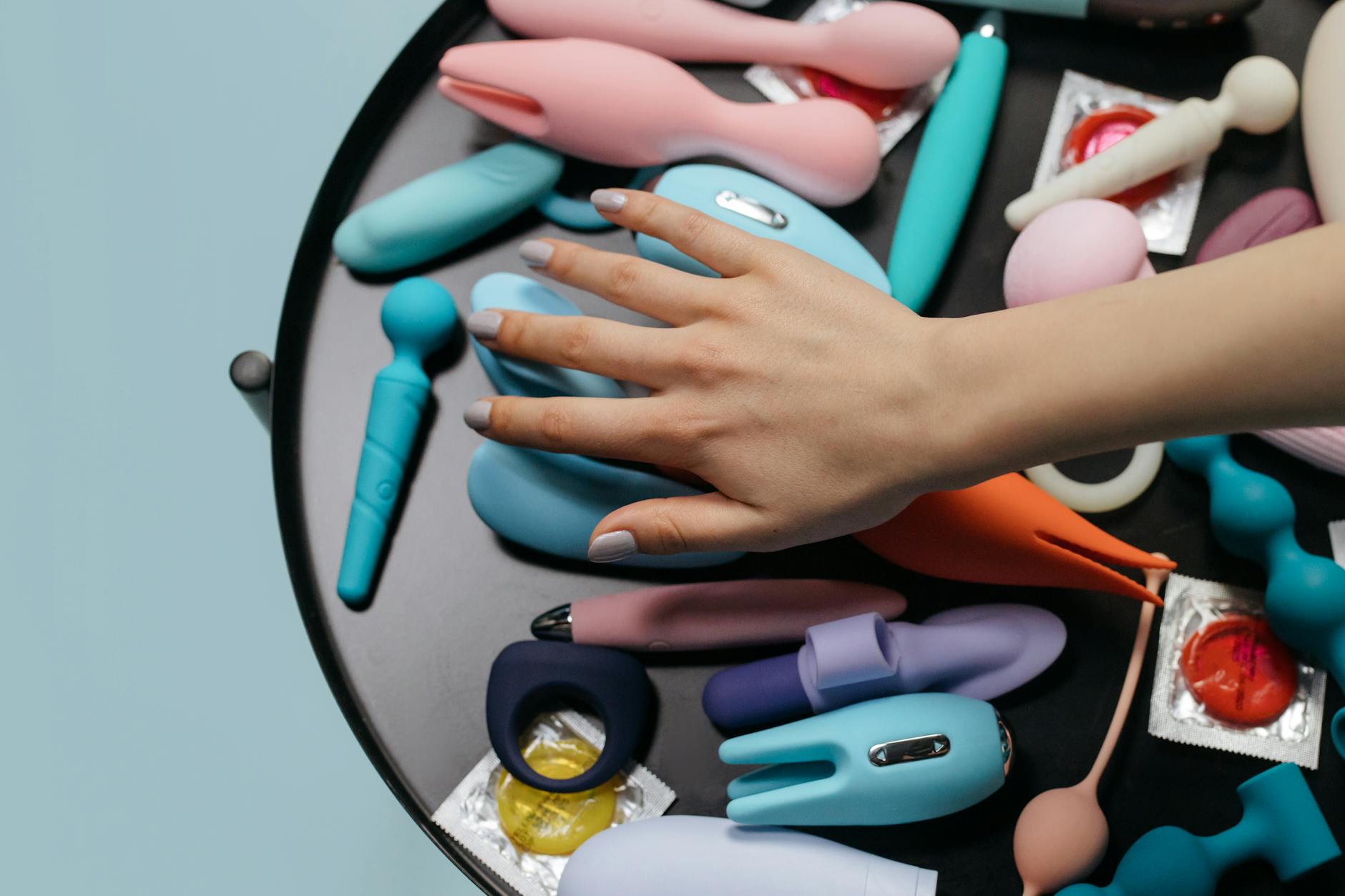
The thing nobody tells you about new relationships and toys
You're thinking about introducing a lemon vibrator to your new partner, and your brain is already writing a screenplay where it goes sideways. He'll think you're not satisfied. She'll worry she's not enough. They'll assume you've got a whole collection hidden away. Here's the actual truth: most partners are relieved. Not because the vibrator is some magic fix. Because it means you're willing to talk about what actually works for you.
That conversation skill matters way more than the toy itself.
Why the timing of introducing it matters more than you think
There's a window. Too early (first three encounters) and you're introducing a third party before you've figured out your actual chemistry together. Too late (after six months) and it can feel like a sudden critique, like something was missing all along.
The sweet spot is usually around date four through six. You've had enough sex to know you like each other and enough time together to have dropped the perform-for-approval mask. You're comfortable, but not so settled in a routine that a new element reads as a complaint.
If you've been together longer and are only thinking about it now, that's fine too. Just frame it differently. "I've been thinking about what gets me off, and I want to try something that might help us both feel more connected" lands way better than "I need this because what we're doing isn't working."
The conversation opener that actually works
Forget sexy. Forget casually dropping it into pillow talk. Just be direct in a normal moment, not during sex, not right before.
"Hey, I want to bring something up that might feel weird, but I promise it won't be. I've been thinking about trying a lemon vibrator with you. Not instead of you. With you. I'm genuinely curious what you'd think about that."
Notice what that does: it names the potential weirdness (diffuses it), clarifies the "with you" part (not a solo thing), and actually asks for their input instead of announcing a decision.
Most people will say yes, or "let me think about it," or ask questions. Some will need a minute. That's all normal.
If your partner says they're not into it, ask why. Sometimes it's anxiety about performance. Sometimes they've got memories attached to toys that aren't about you. Sometimes they just need more time. None of those things means the conversation failed.
What to do if they're hesitant or nervous
This is where most people get it wrong. They over-explain. "It's not about you not being enough. The sensation is different. Blah blah blah." Every explanation sounds like damage control.
Instead, ask: "What's the hesitation?"
Listen to the actual answer. If it's "I don't want to feel replaced," you can say, "That's not the goal here. I want us to figure out what feels good together. Some touches are better with hands. Some feel better with a different kind of pressure. Both can be true."
If it's "I don't know how to use it," say, "I'll show you. It's honestly not complicated." Then show them. No pressure to use it right away.
If it's "I'm worried about lasting longer," that's actually a sign they care about your pleasure. Validate that, then say, "This might actually help because I can come faster, and then we can keep going." (Which is often true with clitoral vibrators.)
The pattern here: address the actual fear, not the toy.
When you're actually about to use it together
Don't make it the main event. The first time should not be a performance piece where everything depends on this working perfectly. Use it during regular sex, when you're already connected and things are feeling good.
Start with lower settings. A lot of partners are surprised by how intense the vibration is if they're not expecting it. The Lem starts gentle. Use that.
Talk through what's happening. "That feels good" or "a little lighter" or "stay right there" sounds basic, but it tells your partner they're doing something that matters. It keeps them engaged instead of checking out because they're unsure.
If your partner wants to hold the vibrator, let them. Tons of couples find that connection point hot. Your partner gets to be the one creating pleasure, and you get the stimulation you want. Win.
If your partner doesn't want to touch it, use it yourself while they're inside you or while you're together. That's equally valid.
The second and third time, when it gets easier
By the second time, some of the novelty wears off and it becomes just another tool. That's when you actually relax.
You might find your partner has ideas now. "What if we did it like this?" or "I liked it better when..." That's a good sign. They're not just tolerating it. They're thinking about it.
This is also when you can talk about what you actually want. Do you want a lemon vibrator every time? Sometimes? Only when you're in certain moods? Your partner doesn't need to read your mind. Say it.
Some people discover they like the versatility of different speeds, which brings up the option of exploring clitoral vibrators more broadly. But that's a conversation for later, not something to introduce alongside the first experience.
What changes about your dynamic when this works
Honestly? A lot. Not because the toy is magic, but because you've modeled a conversation about what you want without shame.
That skill transfers everywhere. Suddenly asking "Can you touch me here instead?" or "I want to try something different" becomes normal. Your partner learns that your needs aren't criticism. They're information.
For a lot of couples, this is the conversation that actually builds intimacy, not the toy itself.
If it goes sideways
Sometimes a partner gets weird about it later. They seemed fine in the moment but now they're withdrawing or making comments. Go back to the conversation, not the toy.
"I noticed you seem less connected since we tried that. What's actually going on?"
Listen without defending. Maybe it triggered something about feeling inadequate. Maybe it reminded them of a previous relationship. Maybe they just realized they're not ready to integrate toys into sex yet. All of those are solvable if you know what they are.
The vibrator isn't the issue. The inability to talk about what's actually bothering them is.
If your partner stays resistant and won't engage with the conversation, that's useful information too. Not a deal-breaker necessarily, but a real data point about how your dynamic handles something outside the ordinary.
FAQ: Common questions about lemon vibrators and new partners
Should I mention I own a lemon vibrator before we sleep together?
No. Once you're sleeping together and things feel solid, bring it up. If you mention it before you've had sex, it can feel like you're setting an expectation before you've even figured out what you both like.
What if my new partner suggests using a vibrator first?
That's actually easier. They're already thinking about pleasure and exploration. You get to say yes without it feeling like your request. Ask them what they're imagining and go from there.
Is it weird to use a vibrator the first time you're intimate?
Generally, yeah. You don't know each other's bodies yet. Save it for when you're already comfortable together. The toy becomes more fun when you actually know what feels good without it.
What if they ask why I own one if I've never used it with a partner?
Honest answer: because pleasure matters. You might have bought it for yourself, or an ex didn't want to, or you were curious. You don't owe a whole history. "I wanted to explore what works for my body" is complete.
How do I know if it's going to ruin things between us?
It won't. The conversation and your willingness to be direct about pleasure will actually strengthen things. The toy is just a tool. The real intimacy is in the honesty.
Should I ask what kinds of toys they've used before?
Only if it feels natural in conversation. You're not doing a sexual history intake. If they volunteer it, listen without judgment. If they don't, you'll learn as you go.
The real payoff
Introducing a lemon vibrator to a new partner isn't about the vibrator. It's about saying, "My pleasure matters enough to talk about directly. And I trust you enough to be honest."
Most partners respond to that. The ones who don't? That's information too.
Start the conversation sooner than feels comfortable. Your future self will thank you.
If you're ready to explore but want more guidance on what works with a partner, our buying guide walks through features and intensity levels. And if communication feels harder than the logistics, that's actually the place to focus first.
Your pleasure isn't something you have to hide or ease into with apologies. It's something worth talking about directly.