
Let's get real about using a lemon vibrator together
Introducing a clitoral vibrator into partnered sex isn't complicated, but it does require one thing most couples skip: an actual conversation. Not a whisper in the dark, not a hopeful suggestion mid-foreplay, but a real talk where both people show up honest about desire, boundaries, and what they're hoping will happen. This is where most couples stumble. And it's fixable.
I've worked with hundreds of couples navigating this exact moment. The ones who succeed aren't the ones with the most adventurous sex lives. They're the ones who talk first.
Why the conversation matters more than the vibrator
Here's what I see in my practice: couples introduce a lemon vibrator hoping it will fix something that's actually about connection. Low frequency. Mismatched desire. Feeling unseen by a partner. The vibrator isn't the answer to any of that. It's amplifies whatever's already there.
If your relationship has shaky communication, adding a vibrator won't repair it. If you have strong communication, a vibrator becomes a tool for exploration instead of a band-aid for avoidance. That distinction changes everything.
The other thing: many people (especially the partner without the vulva) worry that introducing a lemon vibrator means they're not enough. That's backwards. A vibrator isn't a replacement for your touch. It's a different kind of sensation entirely. A clitoral vibrator and a partner's hand activate different nerve pathways. Both matter. Both can coexist.
The opening conversation: three questions to ask first
Pick a time that's not foreplay. Not bed. Not after a stressful day. Pick a calm moment, maybe over coffee, and ask three things.
Question one: "Have you ever thought about using a vibrator together?" Listen to the answer without defending or selling. If they seem hesitant, ask why. Real hesitation often points to something useful. Maybe they worry it will hurt. Maybe they think it's a sign you're not satisfied. Maybe they've had a bad experience. Don't dismiss any of it. This is data.
Question two: "What would feel good to you about it?" This is different from "would you like it." Some people are drawn to the idea of giving pleasure in a new way. Some like the intensity it unlocks. Some are curious about what an orgasm with vibration feels like versus without. There's no wrong answer. But knowing their real draw matters because it tells you how to approach it.
Question three: "What would make you uncomfortable or nervous?" Again, no judgment. Just data. Fear of intensity. Worry about dependency. Concern about noise. All of these are solvable once they're named.
After this conversation, you both know where you stand. That's the foundation.
Building the actual experience: a step-by-step approach
Once you've both said yes, don't jump straight to using it. This is where patience changes everything.
Step one: Let them hold it. Bring a lemon clitoral vibrator into your hands together (not turned on). Let your partner hold it, feel the weight, the size, the texture. Let them ask questions about it. This removes the mystery. Knowledge reduces anxiety.
Step two: Explore it on their terms first. If your partner has a vulva, this means letting them try it on themselves alone, in private, without any pressure to perform or report back. Some people need that privacy to relax. Honor it. If your partner doesn't have a vulva, talk about what they'd want to explore. Maybe they want to understand the sensations so they can help create them.
Step three: Introduce it during solo play with your partner present. This is not yet penetrative or coupled sex. You're lying next to them, maybe touching their body in other ways, while they explore what the vibrator feels like. You're there as a calm presence, not a director.
Step four: Weave it into partnered touch. Once they're comfortable with sensation, you can start incorporating it. Maybe your hands are inside them and the vibrator is on the clitoris. Maybe they're using it while you enter them. Maybe it's purely external and you're just present, watching, touching their arms or face or chest.
None of this is one night. It's a process that might span weeks. That's not wasted time. That's trust building.
Communication during the experience itself
Once you're actually using a lemon vibrator together, three things matter.
First, establish a check-in system. Not every session, but regularly. "How's this feeling?" "Want me to try a different pattern?" "Want to keep going or switch to something else?" These aren't mood-breakers. They're what turns an okay experience into a connected one.
Second, remember that sensation changes. The clitoris gets more or less sensitive depending on the cycle, stress, arousal level, and time between sessions. A pattern that felt incredible last week might feel too intense this week. That's not failure. It's just bodies. Adjust.
Third, separate the vibrator from everything else. Your touch still matters. Your presence still matters. The vibrator isn't the whole show. It's part of the show. If the experience starts feeling like "me and the vibrator and my partner is just watching," pause and recalibrate. Layer things. Use the vibrator and your hands. Use the vibrator and eye contact. Use the vibrator and slow kissing. Integration beats isolation.
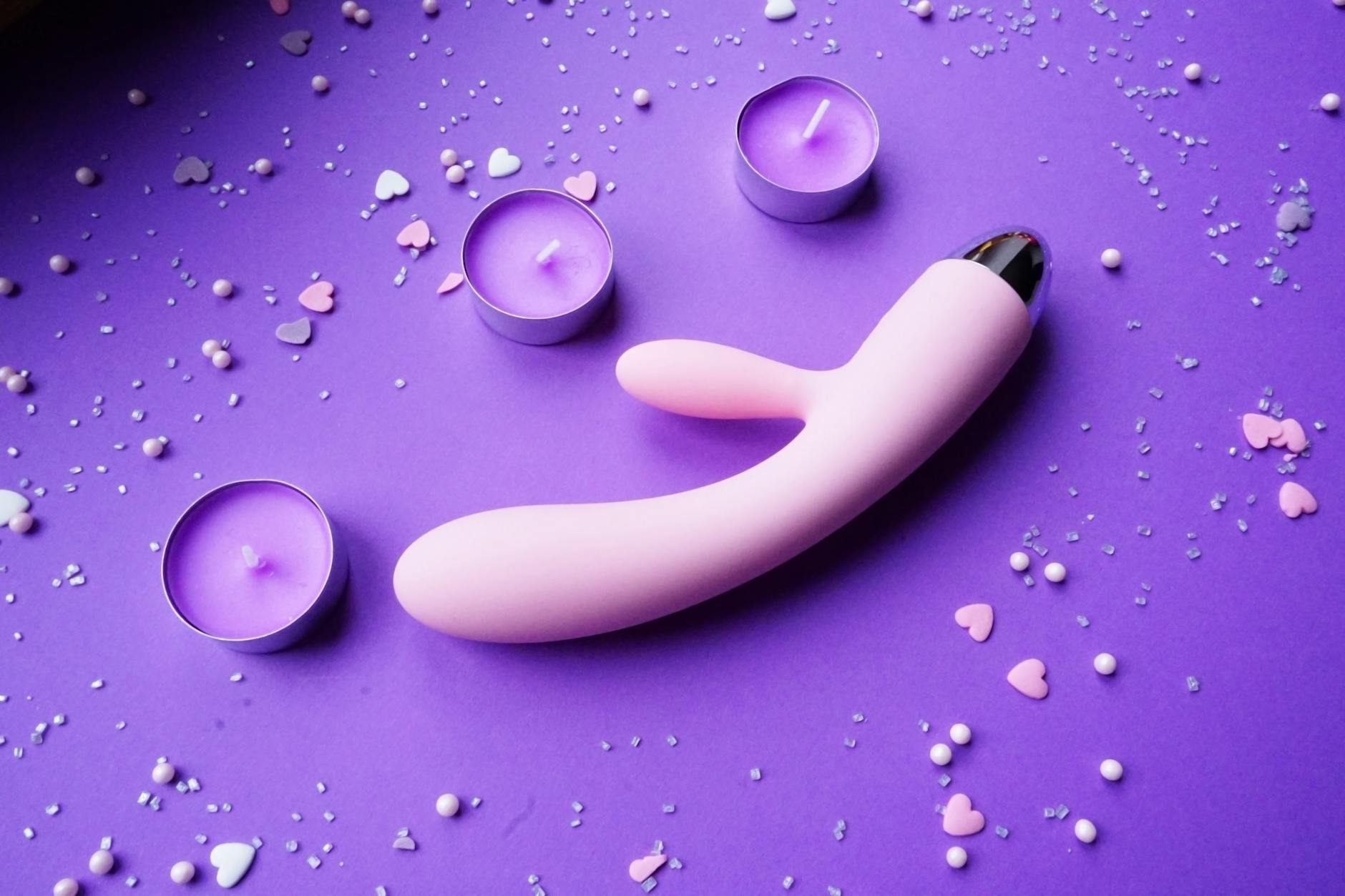
Photo by FounderTips on Pexels
What to do if one of you gets nervous mid-way
This happens more than you'd think. Someone feels exposed. Someone gets self-conscious. Someone worries they're taking too long to orgasm. Pause.
Do not push through it. Do not pretend it's not happening. Stop, hold each other, and ask what's coming up. Sometimes it's nothing to do with the vibrator at all. Sometimes it's old stuff about your body or sexuality that has nothing to do with this moment.
Work with it instead of against it. Maybe you take a break and come back next week. Maybe you put the vibrator away and just touch. Maybe you talk about what triggered the anxiety. All of this is progress.
Patterns and settings: finding what actually works
Once you're comfortable with the basics, you can explore patterns. Most lemon vibrators have multiple settings. Constant vibration. Pulses. Waves. Escalations.
For coupled use, start low and slow. High intensity right away can feel overwhelming, especially if this is new. Let your partner control the device, at least at first. They know their body better than you do. They can tell you what feels good. Your job is to create the conditions for pleasure. The vibrator does the mechanical work.
After you've explored patterns for better orgasms at midlife, you'll have data about what your partner loves. That becomes your baseline for coupled use.
When to bring in a professional
If the conversation gets stuck, consider talking to a relationship therapist who specializes in sexuality. This isn't a sign of failure. It's a sign that you're serious about doing this well. A trained professional can help untangle the emotional blocks that vibrators alone can't solve.
If one partner is dealing with sexual anxiety or trauma, that needs professional support too. A lemon clitoral vibrator won't heal that. But therapy plus gradual exposure can. Don't skip that step.
FAQ: What couples actually ask
Will a vibrator make my partner want me less?
No. It's the opposite. Partners who feel seen and supported in their pleasure tend to want more intimacy, not less. The vibrator isn't a threat. Your absence from the conversation is the threat.
What if my partner finishes too fast and I haven't finished?
Use the vibrator on yourself while they touch you other ways. Or take turns. Or build in time between rounds. A lemon vibrator actually gives you more options here, not fewer. You're no longer locked into syncing your orgasms. You can take turns. You can use different stimulation methods. That's freedom.
What if the vibrator is too intense for my partner?
Start on a lower setting. Use it over underwear or through a thin fabric first. Let them control it entirely. If they say it's too much, believe them. Intensity can be dialed up. Once someone's overwhelmed, it takes time to rebuild trust in the experience.
How do I know if we're doing it right?
There's no "right" way to use a lemon vibrator together. Right is when both of you feel safe, communicative, and genuinely interested in the experience. Right is when you can laugh if something awkward happens. Right is when you both want to try it again.
Can we use a vibrator every time we have sex?
You can. Some couples do. Some find it's a once-a-week thing. Some use it sometimes and not others. There's no rule. The only rule is both of you get to have a say in when and how often.
What do we do if it's awkward the first time?
Put it away and try again in a week. Awkwardness is normal. You're learning something new together. That's inherently awkward at first. It gets easier. It gets better. The couples who come back to it are the ones who give themselves permission to be clumsy at the start.
The bigger picture: pleasure as connection
A lemon vibrator is a tool. What you're actually building is a relationship where pleasure isn't something to hide or feel embarrassed about. It's something you explore together. That's the real shift.
When both partners show up honest about desire, about boundaries, about what feels good, sex becomes less about performance and more about presence. That's what changes long-term satisfaction. Not the vibrator. The conversation.
If you're stuck on where to start, reach out. We can help you navigate what comes next. Contact us at /contact and let's talk about building deeper intimacy in your relationship.