How to Use Lemon Vibrators When Clitoral Sensitivity Increases With Age
Let's be real. You expected everything to get less sensitive as you got older. Fewer nerve endings firing, duller sensations, needing more stimulation to feel anything at all.
Then it happens the opposite way. You touch yourself and wince. A vibrator that used to be perfect now feels like it's vibrating your entire nervous system. What used to require coaxing now requires restraint. And nobody prepared you for this.
Increased clitoral sensitivity with age is less common than decreased sensitivity, but it's far from rare. It happens. And when it does, most people either white-knuckle through it or give up pleasure entirely, neither of which is the answer. Here's what's actually going on, and how to use tools like lemon vibrators to work with your body instead of against it.
Why clitoral sensitivity increases as we age
Three things happen simultaneously that most people don't realize are connected.
First, tissue changes. Estrogen shifts, collagen decreases, and the tissue around the clitoris becomes thinner and more exposed. The clitoral hood (that little protective fold of skin) can retract slightly, leaving the glans itself more directly accessible. That's not bad or good. It's just a change. And it means what used to be diffuse pressure now feels sharper.
Second, nerve density doesn't actually decrease the way we think it does. The clitoris has roughly 8,000 nerve endings and that number doesn't really change. What changes is how efficiently they fire. Some people report sensations becoming more acute, more localized, more in high definition.
Third, hormonal shifts and life stress rewire your nervous system's baseline sensitivity. If you've spent years in a high-stress job, dealing with anxiety, or managing chronic pain, your nervous system has been tuned to register threat. That vigilance stays even when the threat passes. Your body learns to feel more. And pleasure, which is just another kind of sensation, gets swept up in that heightened awareness.
The result: what felt like a 7 out of 10 intensity five years ago now feels like a 9. Your favorite vibrator went from perfect to painful without warning.
The difference between pain and intensity
This matters because people often conflate the two.
Intensity is stimulation that's strong, maybe almost too strong, but not harmful. Your instinct might be to pull away, but it's not dangerous. Pain is different. Pain is sharp, shooting, or burning. Pain makes you want to stop and never come back. Pain can linger. They feel totally different, and the response is totally different.
If you're experiencing actual pain (sharp, raw, burning sensations), you might have vulvodynia, dermatitis, or another condition worth discussing with your doctor. That's different from "this vibration is really intense and I need something gentler."
For intensity that's just intensity, there are tools and techniques that work.
Why suction changes the game for sensitive tissue
Vibration moves back and forth. Suction creates negative pressure, pulling tissue gently into a chamber. The stimulus is similar but fundamentally different. It's less percussive, less sharp, more enveloping.
For people with increased clitoral sensitivity, suction-based toys like lemon vibrators often feel more manageable than traditional vibrators because they distribute stimulation over a wider area and use a different type of pressure. You're not hitting the same nerves with the same intensity. You're inviting them instead.
The lemon clitoral vibrator uses gentle suction to stimulate without the focused percussion of a standard vibrator. That's the reason so many people with heightened sensitivity report success with this style. It's not magic. It's physics and anatomy meeting intention.
Start with the lowest setting and sit there
Most people skip the first two settings. They assume low intensity is pointless, that it "won't do anything."
Try the opposite assumption. Set your lemon vibrator to its lowest setting and spend 5 to 10 minutes exploring. Let your body adjust. Your clitoris will likely respond. Sensation builds. You might be surprised how much pleasure lives at a setting you'd normally dismiss.
The nervous system takes time to recognize stimulation as safe and good. When tissue is sensitive, rushing past the gentle settings is like turning up a microphone all the way when someone's already shouting. It overwhelms instead of amplifies.
If you're used to cranking toys to high, low settings might feel boring. That boredom is data, not a verdict. Your body is recalibrating. Stay with it for a few sessions. Most people find the lower settings become deeply pleasurable once they stop resisting them.
Angle matters more when sensitivity is high
With vibration, angle is nice. With suction-based lemon vibrators, angle is essential when sensitivity is pronounced.
The clitoris has a head, a shaft, and internal branches. Not all parts are equally sensitive. Some people find that stimulating the shaft instead of the glans directly creates pleasure without the jolt. Others find that angling the toy so suction pulls tissue slightly upward (instead of straight forward) distributes sensation differently.
Take 10 minutes to experiment with angle. Try the toy at 45 degrees, at 90 degrees, at different sides. You're not looking for orgasm in this phase. You're mapping what your body likes right now.
Write it down if it helps. "Setting 2, tilted left, 8 minutes" suddenly becomes repeatable pleasure instead of guesswork.
Pace and rhythm reduce intensity without losing pleasure
Here's something that sounds obvious but changes everything: you can use intermittent stimulation instead of continuous.
With a lemon vibrator, you can hold it in place for 20 seconds, remove it for 10, hold again for 20. This rhythm lets your nervous system process sensation in waves instead of a constant flood. It also prevents overstimulation. The break gives your body a moment to settle before the next wave of sensation.
Alternatively, you can use the toy for 5 minutes, take a break, come back. No shame in that. Pleasure isn't a race. Extended, interrupted pleasure often feels deeper than rushed intensity.
Many people with heightened sensitivity find that this back-and-forth rhythm actually intensifies eventual orgasm because the body never fully habituates. Each time you return, sensation feels almost fresh.
Lubrication becomes even more important
When tissue is sensitive, friction is your enemy and lubrication is your friend.
Use water-based lubricant generously. The wetness reduces friction, makes suction feel smoother, and often makes higher sensations manageable. It sounds like a small thing. It's not. Good lube can turn "too intense" into "just right."
Reapply halfway through. Your body's natural lubrication might not keep pace with extended use, especially if sensitivity makes you tense slightly. Tension restricts blood flow. Blood flow decreases natural lubrication. Lube breaks that cycle.
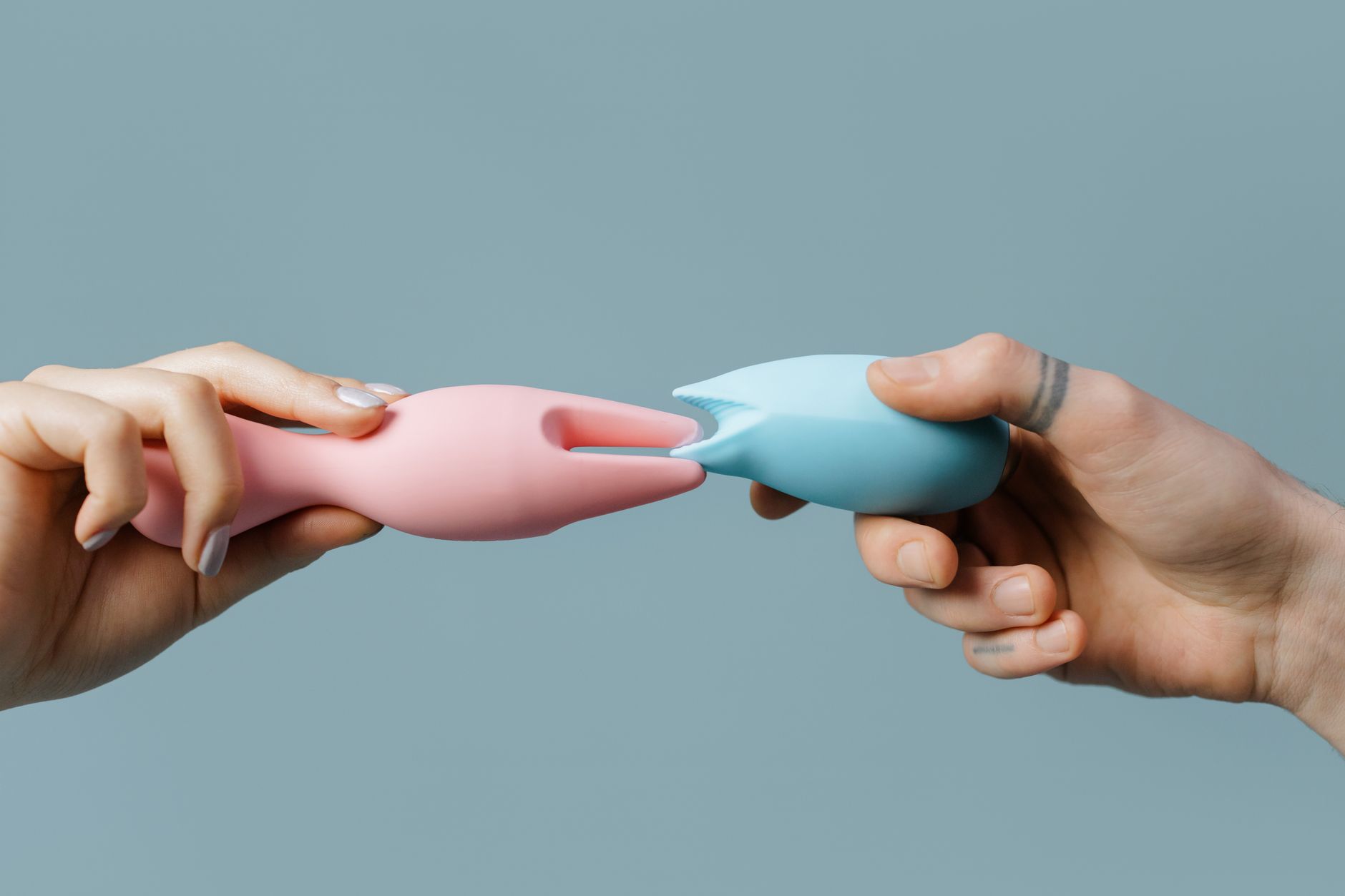
[Figure 1: How to adjust to increased sensitivity]

Photo by cottonbro studio on Pexels
Communication with partners becomes critical
If you're with a partner, your changing sensitivity affects them too. They might feel rejected if you suddenly need different touch. They might feel blamed if they "did something wrong."
Neither is true. Your body changed. That's information, not criticism. Separating those conversations prevents resentment.
Try: "My body is responding differently to stimulation lately. This isn't about you or anything you did. I want to explore what feels good now instead of replicating what worked before. Want to figure this out together?"
Then involve them. Show them the settings you like. Let them hold the toy sometimes. Their involvement makes it collaborative instead of transactional.
For solo pleasure, this is simpler. You're just adjusting technique. No negotiation required. But if you share your body with someone, they need to know the map changed.
When to see a specialist
If increasing sensitivity is new and sudden, it's worth mentioning to your doctor. Vulvodynia, contact dermatitis, or hormonal shifts sometimes present as increased sensitivity. A gynaecologist or dermatologist can rule out anything that needs medical attention.
If you've confirmed it's just sensitivity and not a condition, a pelvic floor physical therapist can help. Sometimes heightened sensitivity correlates with pelvic floor tension. Teaching your body to relax those muscles helps. It's not therapy. It's literally retraining your physical body.
The mental piece you can't skip
Here's the thing that changes everything: your brain has opinions about your pleasure.
If increased sensitivity makes you feel less sexy ("I used to be able to handle more"), your body picks up on that judgment and tenses. Tension increases sensitivity. You're in a loop.
Reframing helps. Your body isn't broken. It's not less than. It's giving you higher resolution feedback. That's a feature, not a bug. Some of the most pleasurable experiences come from slow, careful attention to subtle sensation. You're being invited into that. You don't have to want it. But resisting it makes everything harder.
Lemon vibrators specifically
If you're shopping for a lemon clitoral vibrator, you're already on the right track. Suction-based toys distribute stimulation in ways that bypass the intensity problem. Start with the lowest setting, take your time, and trust that what seems too gentle will likely reveal itself as exactly right.
The lemon sucker design means you can also easily adjust pressure by how far you press it against your body. Light touch. More pressure. Suction without the press. You've got options built in.
FAQ: Increased clitoral sensitivity and lemon vibrators
Why does my clitoris feel more sensitive than it used to?
Clitoral sensitivity can increase with age for several reasons. Tissue changes from hormonal shifts can expose the clitoral glans more directly. Your nervous system's baseline can shift from stress or health changes. The number of nerve endings doesn't decrease much, but how efficiently they fire can change. In some people, this results in heightened rather than decreased sensitivity. It's normal and manageable.
Can I use my regular vibrator if I have increased sensitivity?
Maybe. A lot depends on the vibrator. High-frequency, high-intensity vibrators tend to feel overwhelming when sensitivity increases. Toys designed for lower intensity or different stimulation types (like suction) often work better. You might find your favorite vibrator now feels better at lower settings or with intermittent use rather than continuous. Experiment before retiring it completely.
Is increased clitoral sensitivity a sign of a medical problem?
Not necessarily. Increased sensitivity is common with hormonal shifts, nervous system changes, and aging. That said, if it's painful (sharp, burning, raw) rather than just intense, or if it appeared suddenly, mention it to your doctor. They can rule out vulvodynia, dermatitis, or other conditions. If it's just sensation that's stronger than you're used to, it's not a medical issue. It's an adjustment.
How long does it take to adjust to increased sensitivity?
It varies. Some people adjust in 2 to 3 weeks of using different techniques and lower intensities. Others take months. Your nervous system needs time to recognize new stimulation as safe and pleasurable. Be patient. The adjustment period isn't failure. It's recalibration.
Do I have to use lemon vibrators instead of my current toys?
No. Lemon vibrators are one option that many sensitive bodies find manageable because suction distributes stimulation differently than vibration. But you might also find success with lower-frequency vibrators, wand toys used with a light touch, or even how to use lemon vibrators when sensation feels less intense over time isn't your issue—you can apply some of those techniques in reverse. Experiment. Your pleasure isn't one-size-fits-all.
Will my sensitivity eventually decrease again?
Sometimes. Hormonal shifts stabilize. You adapt to new sensation. But increased sensitivity can also be your body's new baseline. That's not tragic. You're just learning to work with what you have. Many people find deep pleasure at lower intensities once they stop fighting them.
The thing nobody tells you
Your body changes throughout your life. Some changes feel like loss. Decreased sensation feels like loss. Increased sensitivity feels like your body is betraying you, making pleasure harder instead of easier.
Here's the reframe: your body is handing you a different toolkit. The old tools might not fit anymore. But the new ones might give you pleasure you've never experienced. Slower. Deeper. More nuanced. That's not less. It's different. And different can be better if you're willing to explore it.
Start low. Take your time. Use lemon vibrators or whatever tools match your new sensitivity. And give yourself permission to like what your body likes right now, not what it liked five years ago. That's how you win this.
Ready to explore?
If you're navigating pleasure changes and want more support, reach out. We're here to help you figure out what works for your body as it evolves.
References
- Komisaruk, B. R., Frangos, E., & Nagaraja, V. (2016). Clinically relevant neuroanatomy of the clitoris. Clinical Anatomy, 29(1), 74–83.
- Delancey, J. O., & Delancey, S. (2021). Functional anatomy of the vulva and vagina. Clinical Obstetrics and Gynecology, 64(3), 488–503.
- Pfaus, J. G. (2015). Pathways of sexual desire. Journal of Sexual Medicine, 12(6), 1506–1533.