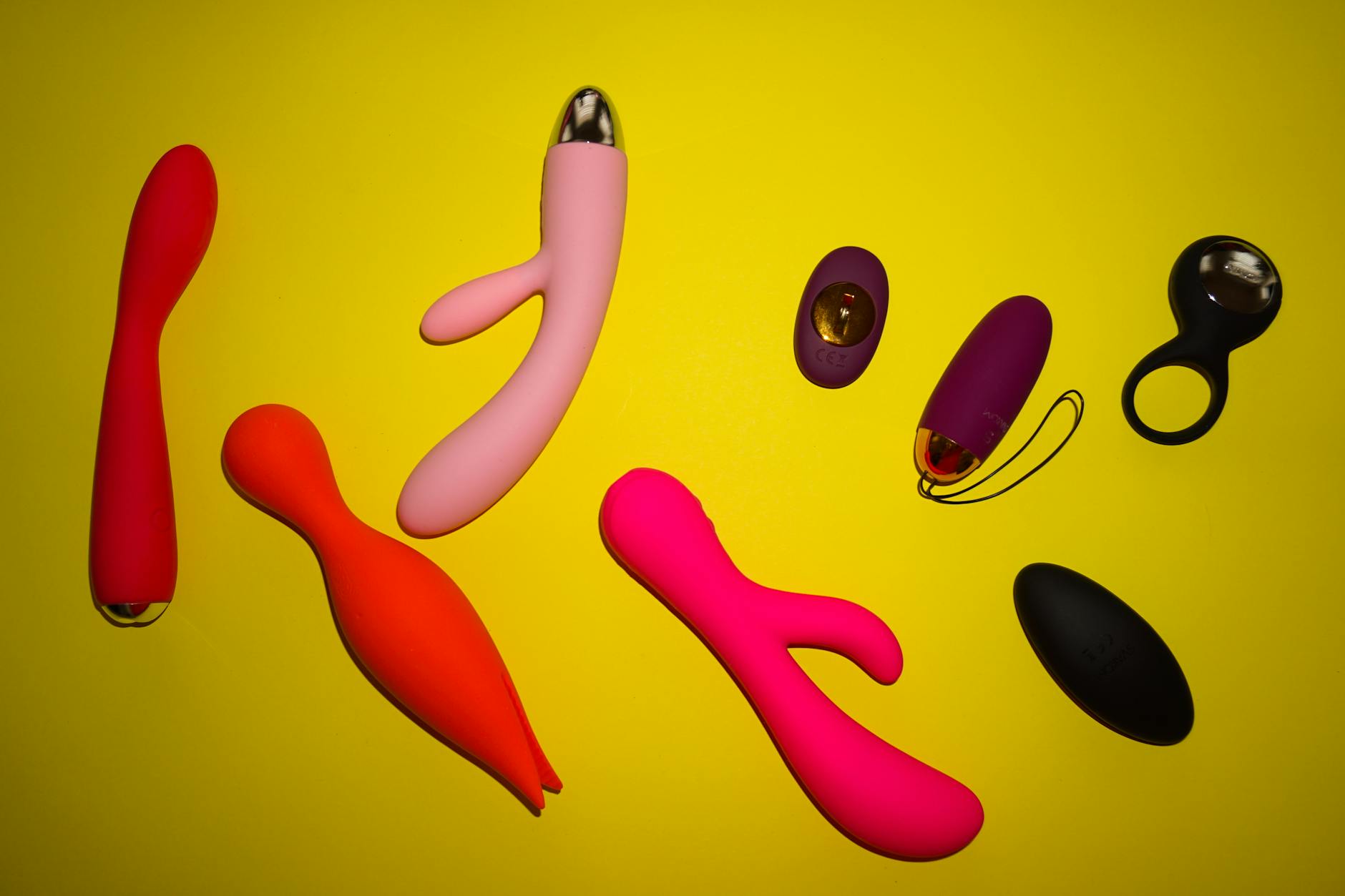
Here's what nobody tells you about stress and desire
Stress doesn't just make you tired. It literally rewires your nervous system. Your brain stops signaling your body to produce the neurochemicals that trigger arousal. Cortisol spikes while dopamine and oxytocin tank. From a physiological standpoint, your libido didn't vanish because you're broken or unattracted. It vanished because your body was in survival mode, and pleasure is the first thing evolution shuts down when you're under threat.
The good news: your capacity for desire is still there. It's just dormant. And restarting it requires a different approach than you used before the stress hit.
Why traditional foreplay stops working during stress recovery
When desire has flatlined, the standard playbook fails fast. More kissing, more touching, more "sexy" conversation. None of it lands because your arousal system isn't online yet. The pressure to respond actually makes things worse. Your brain starts associating intimacy with performance anxiety instead of pleasure. This is where most couples get stuck.
A lemon vibrator works differently. It's not about recreating the old dynamic. It's about giving your body permission to remember sensation in a context where there's zero expectation of reciprocation or escalation. Suction-based clitoral stimulation like what the Lem offers bypasses the anxiety loop entirely. You're not waiting for your brain to cooperate. You're giving your body a direct, consistent signal that pleasure is safe again.
The nervous system reset you actually need
Think of this as somatic retraining. Your nervous system learned that the world wasn't safe. Now it needs to learn, slowly and repeatedly, that it is. A lemon clitoral vibrator helps you do this alone first, which matters. You're not being touched by someone else. You're not managing anyone else's needs or expectations. You're just reacquainting yourself with sensation on your own terms.
Start in a space where you feel genuinely safe. Not the bedroom if the bedroom holds stress. Maybe a bathroom, a living room you like, somewhere quiet. Spend 10 to 15 minutes just with the vibrator. No expectation of orgasm. No performance metrics. The goal is to let your body remember what stimulation feels like.
Many people find that after major stress, arousal takes longer to build. Budget 20 to 30 minutes instead of expecting instant response. Your nervous system needs time to downshift. Lemon vibrators are particularly good for this because the suction sensation feels less intense than direct friction, which means you can stay in that reawakening space without overstimulation.
How to use a lemon vibrator when your body feels unfamiliar
Your body may have changed during stress. Tension in your pelvic floor, less natural lubrication, different sensitivity patterns. The Lem works well because you control the intensity. Start at the lowest settings, typically levels 1 to 3. Let your body signal what feels good, not what you think should feel good.
Water-based lubricant helps, even if you usually don't need it. Stress often decreases natural lubrication, and adding it removes one friction point literally and mentally. You're not failing at producing enough moisture. You're just acknowledging that your body's context has changed.
Pay attention to where sensation lives. Many people find that after stress, the clitoris itself feels less responsive, but the area around it wakes up first. A lemon clitoral vibrator's suction design lets you explore the whole region instead of pinpointing one spot. You might discover that the sensation you're craving right now is slightly different from what you needed a year ago. That's not wrong. That's adaptation.
When to bring a partner back in (and how)
If you have a partner, this solo reawakening phase buys you something critical: it separates your pleasure recovery from their involvement. You can't heal your arousal while also managing your partner's feelings about your absence of arousal. They're separate projects.
Once you've spent a week or two reconnecting solo, you might introduce the lemon vibrator into partnered time. But here's the key difference. You're not handing it over and hoping they figure it out. You're showing them what you've learned about your body. This is me at setting 2. This is the rhythm that's working. This is what I need right now.
This conversation matters more than the vibrator itself. It tells your partner that you're invested in your own pleasure and that you're willing to be specific about what helps. It also takes the pressure off them to somehow intuitively know what you need after your nervous system shut down.
The timeline nobody talks about
Don't expect to snap back. Real desire recovery after major stress usually takes 4 to 8 weeks of consistent, pressure-free reconnection with your body. Some weeks will feel like progress. Other weeks you'll feel nothing. Both are normal. Your nervous system is learning a new pattern, and that's not linear.
If you're using a lemon vibrator three times a week, you're giving your brain and body a regular signal that pleasure is available again. Repetition matters more than intensity or performance. The goal isn't an amazing orgasm. The goal is a return to baseline arousal, where your body starts seeking sensation again instead of avoiding it.
Your desire didn't disappear because something's wrong with you. It disappeared because something was right about your survival response. Now it's time to teach your body that safety is back.
When desire is slow returning but nothing's clinically wrong
Sometimes you'll do all of this and still feel stuck. Your stress is technically over. Life has normalized. But your libido hasn't caught up. At that point, it's worth asking whether something else is happening emotionally. Are you still angry at your partner for how they showed up during the stress? Are you grieving something the stress cost you? Is there resentment sitting under the numbness?
These are relationship and emotional questions, not vibrator questions. A lemon clitoral vibrator can restart your body's physical arousal. It can't solve unprocessed relational trauma. If desire isn't returning after 8 weeks of consistent solo reconnection, talking to a therapist who specializes in sexual health and relationship dynamics makes sense. I'm biased on this front, but couples therapy can help you understand what your missing desire is protecting you from.
The permission you're actually giving yourself
Using a lemon vibrator during desire recovery is practical. But it's also symbolic. You're choosing to prioritize your own pleasure even though it disappeared. You're saying my body matters, my sensation matters, my arousal is worth the time and attention to rebuild. That matters more than which vibrator you pick.
The Lem or any quality lemon clitoral vibrator is just a tool. The real work is giving yourself permission to feel pleasure again when your nervous system learned that pleasure wasn't safe. That's the conversation worth having with yourself first.
People also ask
How long does it take for sexual desire to return after major stress?
There's no universal timeline, but most people experience noticeable shifts in desire within 4 to 8 weeks of consistent, pressure-free reconnection with their body. The key word is consistent. Three or four times a week of intentional touch, alone or with a partner, teaches your nervous system that pleasure is available and safe again. Some people feel a shift in two weeks. Others take three months. Stress is individual, and so is recovery.
Can using a vibrator alone actually restart arousal after it's shut down?
Yes. Solo vibrator use does something different than partnered sex when desire is flatlined. There's zero performance pressure. Nobody else's pleasure is in the equation. You can spend 30 minutes just noticing sensation without any expectation of outcome. This gives your nervous system room to downshift and remember what arousal feels like. Many people find that after a week or two of solo reconnection, partnered touch starts to feel different again. The pressure lifts.
What if I'm using a lemon vibrator but still don't feel aroused?
First, check the timeline. If it's been less than two weeks, you're still in the early phase. Your body might need more time. Second, make sure you're not turning this into another performance metric. If you're using the vibrator while thinking "I should be getting aroused by now," you're back in the pressure loop. The goal is sensation, not orgasm. Sometimes a session where you feel a little tingle is a win. Third, if you've been consistent for four weeks and nothing's shifted, talk to a doctor or therapist. Sometimes desire flatlines for medical reasons like thyroid issues or medication side effects. Sometimes it's relational. Both need different interventions.
Should I tell my partner I'm using a vibrator to rebuild desire?
It depends on your relationship agreements and comfort level. If you share finances, a bedroom, or general intimacy, honesty usually helps. You don't need to frame it as shame or secrecy. You can say something like, "I'm working on reconnecting with my own pleasure since the stress hit. I'm using a vibrator a few times a week just to remember what sensation feels like." This prevents your partner from feeling rejected or left out. It also models that you're taking responsibility for your own arousal recovery, which takes pressure off them to "fix" it.
What's the difference between stress-related desire loss and depression-related desire loss?
Stress usually has a clear external cause: a job change, a family crisis, a move, a health scare. Once the external stressor resolves, your nervous system can start downshifting. Depression is different. Your brain chemistry is dysregulated independent of external circumstances. Even when stress resolves, desire stays flat because something neurochemical is still off. If your desire hasn't returned within 8 weeks of consistent solo reconnection and the stress is genuinely over, depression is worth ruling out. Talk to your doctor.
Is it normal for orgasms to feel different when you're restarting arousal after stress?
Completely normal. After stress, orgasms might feel less intense, shorter, or arrive differently than they used to. Your nervous system rewired. It takes time to recalibrate. Your pelvic floor might hold tension from stress. Your clitoral sensitivity might have shifted. A lemon vibrator helps because you can adjust intensity and explore what feels right now instead of chasing what felt right before the stress. Over a few weeks, as your nervous system relaxes, sensation usually normalizes. But there's no rush to get back to baseline. Baseline is a memory of a different context.
The bottom line
Major life stress kills desire at the neurological level. You're not broken. Your body did exactly what it was supposed to do. Restarting arousal requires patience, solo reconnection, and permission to prioritize your own pleasure again. A lemon clitoral vibrator like the Lem gives you a tool to do that without pressure. It's not magic. It's just consistent, gentle permission to remember that your body is still capable of pleasure. The rest is time and trust in yourself.
When you're ready to explore this with a partner, the conversation matters more than the device. You're not handing over the vibrator and hoping they understand. You're teaching them what your body needs right now. That conversation is often more connecting than the physical act itself.
If you want to talk through what desire recovery looks like for your specific situation, reach out. Sometimes the hardest part isn't the mechanics. It's permission to slow down and rebuild on your own timeline.