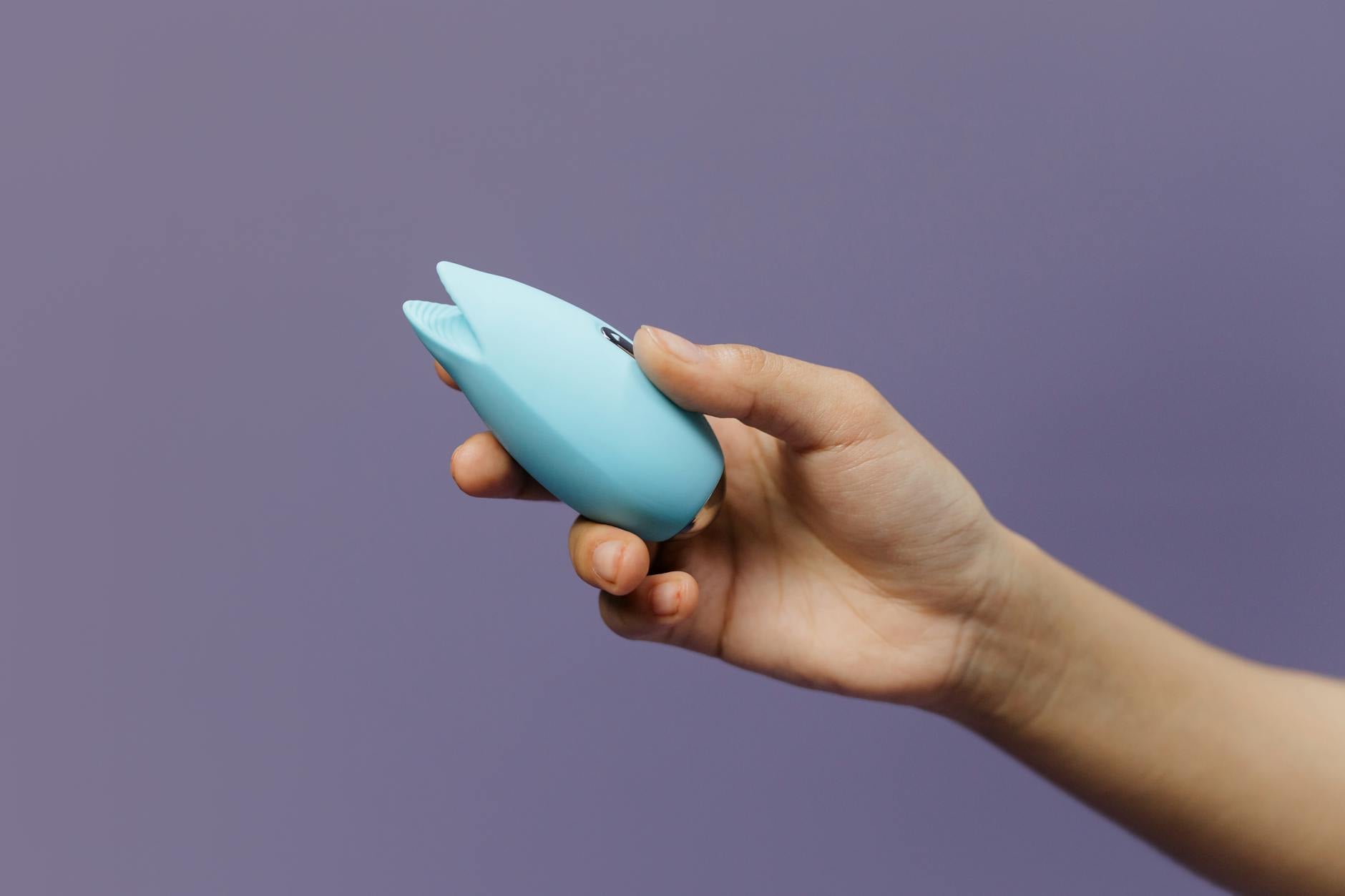
Here's the thing about suction and lubrication
You've probably heard that more lube is always better. That's technically true for penetration and friction. But lemon vibrators work on a completely different principle. They use suction and pulsation, not friction. This changes everything about how lubrication actually works with them.
People tell me all the time that lube made their experience worse with a suction toy. They're not wrong. And they're not broken either. The issue is that standard lubrication advice doesn't apply to clitoral vibrators that rely on suction.
Why lube can interfere with suction
Here's the mechanics of it: a lemon clitoral vibrator creates a seal against the skin and then generates suction within that seal. The suction is what creates the sensation. If there's too much lubrication on the tissue, the seal breaks. No seal means no suction, which means you're just holding a buzzing toy against your skin. Which is fine, but it's not what the device is designed to do.
This is especially true with silicone-based lubes, which are thicker and more persistent. Water-based lubes are thinner, but the wrong amount still disrupts that crucial seal.
Additionally, some people find that having anything slick on their clitoris in general just doesn't feel right to them. That's not a mechanical problem. That's a sensation preference, and it's completely valid.
The three scenarios that call for different approaches
Scenario One: Your tissue needs moisture, but standard lube feels like too much.
This is common for people with thinner or less naturally lubricated tissue. You need something on your skin, but not enough to break the suction seal. The answer: a tiny amount. We're talking less than a pea-sized drop on your fingertip, then rub it into the area around your clitoris, not directly on it. This gives you moisture where you need it without disrupting the toy's seal.
Alternatively, use a hyaluronic acid serum. It's thinner than any sex toy lube and absorbs more quickly. A lot of people don't realize that serums designed for facial skin work beautifully here and feel less "slick" overall.
Scenario Two: You prefer no lubrication, but you're worried about friction irritation.
Here's the reassurance: lemon vibrators create suction, not friction. There's minimal direct rubbing against tissue. If you hate the feeling of lube, you don't need it. Some people with highly sensitive clitorises find that lube actually increases discomfort because it extends the contact time or makes the seal feel heavier. Going lube-free is genuinely an option with a suction toy.
If you're worried about irritation from the toy itself, the real solution is proper warm-up time and starting on lower intensity settings. Those matter way more than lubrication.
Scenario Three: You have sensitivity to specific ingredients in lubricants.
This one matters. If you find that standard water-based lubes leave you irritated, itchy, or uncomfortable, it's often because of glycerin, parabens, or fragrance. You have options: coconut oil (though don't use with silicone toys), pure aloe vera gel, or specialty lubes marketed for sensitive skin. Some people also find that they can use a bit more lubrication if it's a formula they actually like. The goal is comfort, not following rules.
How to apply lube correctly for suction toys
If you do use lubrication with a lemon vibrator, application matters more than amount.
First, apply it to your body, not the toy. Put a tiny amount on your fingertip and massage it gently around the entire clitoral area. Don't glob it on one spot. Spread it around so there's a light, even coating rather than visible wet patches.
Second, wait a few seconds. Let it warm up a bit and settle into the skin. If you immediately press the toy down onto fresh, slick lube, you've just guaranteed the seal will break.
Third, start with the suction on a lower setting while you apply the toy. Gentler suction is more forgiving of lube. Once the seal feels right, you can adjust the intensity up. You'll feel the difference between "seal is broken, this is just vibration" and "suction is engaging." It's unmistakable.
If you're in the middle of using the toy and the seal feels like it's slipping, you have two choices: reapply a tiny dab of lube (sounds counterintuitive, but sometimes a touch more helps the seal re-establish), or take a five-minute break and let the lube absorb into your skin before you start again.
The warm-up is actually more important than you think
One reason people think they need more lube is that they're diving in too fast. Your body produces its own lubrication when it's aroused. Not everyone produces a ton, and that's fine. But what you do produce needs time to develop. Rushing straight to the toy without a solid warm-up period means you're starting with less moisture than you'd have if you'd taken fifteen minutes with your hands, a partner, or simple patience.
Warm-up also increases blood flow to the clitoris, which makes it more responsive to suction. A well-aroused clitoris and a lightly lubricated one will often feel better than a rushed clitoris and a heavily lubricated one. The sensation difference is real.
Lube-free alternatives that work brilliantly
If you decide you don't want to use any lubrication at all with your lemon clitoral vibrator, you're in good company. Some people find that the toy feels most responsive and pleasurable without it.
If you're concerned about comfort, consider these approaches instead: Start on the lowest intensity setting. Spend extra time on warm-up. Take breaks between sessions. Use a gentle hand cream or body oil beforehand (not on the clitoris itself, but on the surrounding area) so your skin feels soft and cared-for, then let it absorb fully before you start.
You can also explore different angles and positioning. Sometimes a slight shift in how the toy sits changes everything about comfort and sensation.
What to avoid
Don't use anything thick, sticky, or heavily fragranced. Coconut oil sounds appealing, but it's not compatible with silicone toys. Mineral oil lingers and feels heavy. Stay away from products with alcohol, which can irritate delicate tissue. And anything with a strong scent or cooling/warming sensation is usually a no for sensitive areas.
If a lubricant stings, makes you itch later, or just feels wrong, stop using it. There are dozens of options out there. You don't need to force yourself into one that doesn't work for your body.
The reality check
You might spend a session or two figuring out what works for you and your lemon vibrator. That's normal. Your preferences might also shift depending on where you are in your cycle, stress levels, or just what feels good on a particular day. That variability isn't a sign that something is broken. It's a sign that you're paying attention to your body.
The whole point of using a tool like a lemon vibrator is that it should make pleasure easier and more consistent, not add friction (literally or figuratively). If lubrication isn't serving that goal, you don't need it.
Photo by FounderTips on Pexels
Common questions about lube and suction toys
Does water-based lube work better than silicone-based lube with lemon vibrators?
For suction toys, water-based is usually your better bet. It's thinner, absorbs faster, and creates less of a seal-breaking barrier. That said, "better" is individual. Some people find that water-based dries too quickly and leaves them uncomfortable, while a tiny amount of silicone-based lube actually helps. Start with water-based and adjust from there.
Can I use lube on the toy itself instead of my body?
Technically yes, but it's less effective. If you put lube on the toy and then press it against skin, you're more likely to get slippage and lost suction. It's like trying to create a vacuum with a lubricated seal. Applying to your body first gives you more control over the amount and placement.
What if I've been using lots of lube and now I want to try less?
Taper gradually. Use your usual amount, then the next time use slightly less. Give yourself a few sessions to adjust. Your brain needs time to recalibrate what the sensation should feel like. What feels like "too dry" on day one often feels perfect by day three.
Is it normal for suction to feel more intense without lube?
Completely. Lube creates a buffer between the toy and your skin. Without that buffer, you feel the suction more directly. If it's too intense, you can lower the setting or reduce the seal time (press it on for a few seconds, release, repeat). You're not stuck with one intensity level just because there's no lube.
What if I'm sensitive to ingredients in every lube I've tried?
First, try a sensitivity-specific brand or a simple option like aloe vera. If you're still reacting, you might genuinely not need lube with a suction toy. Many people don't use any. Your clitoris is designed to function without it. Extend your warm-up time, use lower intensity, and take breaks as needed. That works.
Can I use coconut oil as a natural alternative with my lemon vibrator?
No. Coconut oil damages silicone. If your toy is silicone, stick with water-based lubes, hyaluronic acid serums, or nothing at all. Coconut oil is great for many things. Silicone toys are not one of them.
The bigger picture
Honestly, the lubrication conversation with clitoral vibrators often gets overcomplicated. You're using a tool designed to create suction and sensation. Lube either helps that happen or it gets in the way. Some bodies benefit from it. Some don't. There's no universally "right" answer.
What matters is paying attention to what actually feels good for you, then doing more of that. If that means no lube, go with it. If it means a specific brand you love, great. If it means experimenting for a few weeks before you land on your preference, that's completely normal.
Your pleasure is the only rule that matters. Everything else is just logistics.
If you're still working through what feels best, reach out. We're here to help with questions about technique, comfort, or anything else that comes up with your lemon vibrator or other lemon sexual toys.
Further reading
If you're exploring how to optimize your experience with lemon vibrators, you might find these guides helpful. Check out how to use a lemon vibrator when your body feels numb to pleasure for strategies when sensation feels distant, or how to find the right suction intensity setting on lemon vibrators for your body to dial in the perfect level of stimulation. If you're recovering from pelvic floor tension, gentler approaches matter too.