
The problem nobody talks about
You can have a lemon clitoral vibrator in your hand and still feel completely alone with your partner in the room. That's the thing about rebuilding emotional connection. Physical pleasure becomes almost irrelevant when the person next to you feels like a stranger.
This isn't a sex problem. It's a trust problem.
When emotional distance gets there first
Most couples assume physical intimacy dies because they've stopped trying hard enough. They think the solution is better technique, more spontaneity, or a new toy. Sometimes they're right. More often, they're treating a symptom while ignoring the actual wound.
When emotional disconnection happens first, the body follows. Your nervous system doesn't care how nice your sheets are. If you don't feel safe, seen, or valued, arousal isn't going to show up just because you've got the right equipment. This is especially true for people with vulvas, whose arousal is deeply tied to psychological safety and feeling genuinely desired.
Here's what actually needs to happen before lemon vibrators become useful: you both have to decide you want to find each other again.
Start before the vibrator enters the room
I work with couples where emotional reconnection is the goal, and almost none of them jump straight to toys. Instead, I suggest three things that have to happen first.
1. Name what actually broke.
Was it resentment that accumulated over years? A betrayal that shattered trust? An unmet need that one person stopped mentioning? A grief or life transition you didn't navigate together? You don't have to solve it yet. You just both have to be willing to say out loud what the actual problem is. This takes 2-4 conversations, not one big talk.
2. Take physical pressure off the table temporarily.
I know this sounds counterintuitive when you want to rebuild intimacy. But when emotional distance is the real issue, framing sex as "the goal" puts pressure on both of you to perform feelings you don't have yet. Instead, I recommend a 2-3 week pause on penetrative sex. Kissing, touching, cuddling, even mutual masturbation. Everything except the thing that feels like "proving" the relationship still works. This removes the performance anxiety and lets pleasure become exploration instead of proof.
3. Introduce vulnerability in small doses.
Emotional reconnection requires risk. That means one of you has to go first. It might be naming something you're scared of. Sharing what you actually need. Admitting where you feel lonely even though you're not alone. Your partner doesn't have to fix it. They just have to listen without defending. If they can do that, you're not as far apart as you think.
When lemon vibrators actually help
Once you've done that groundwork, lemon adult toys become something different. They're no longer a Band-Aid. They're a tool for pleasure that says "I want to feel good, and I want you here while I do."
This matters because pleasure itself is a form of vulnerability. Letting your partner watch you experience orgasm, asking for what you need in real time, building arousal together instead of separately. These are emotional acts, not just physical ones.
When you introduce a lemon sucker vibrator into that context, you're not hiding behind it. You're using it as part of the conversation. Here's how that actually works.
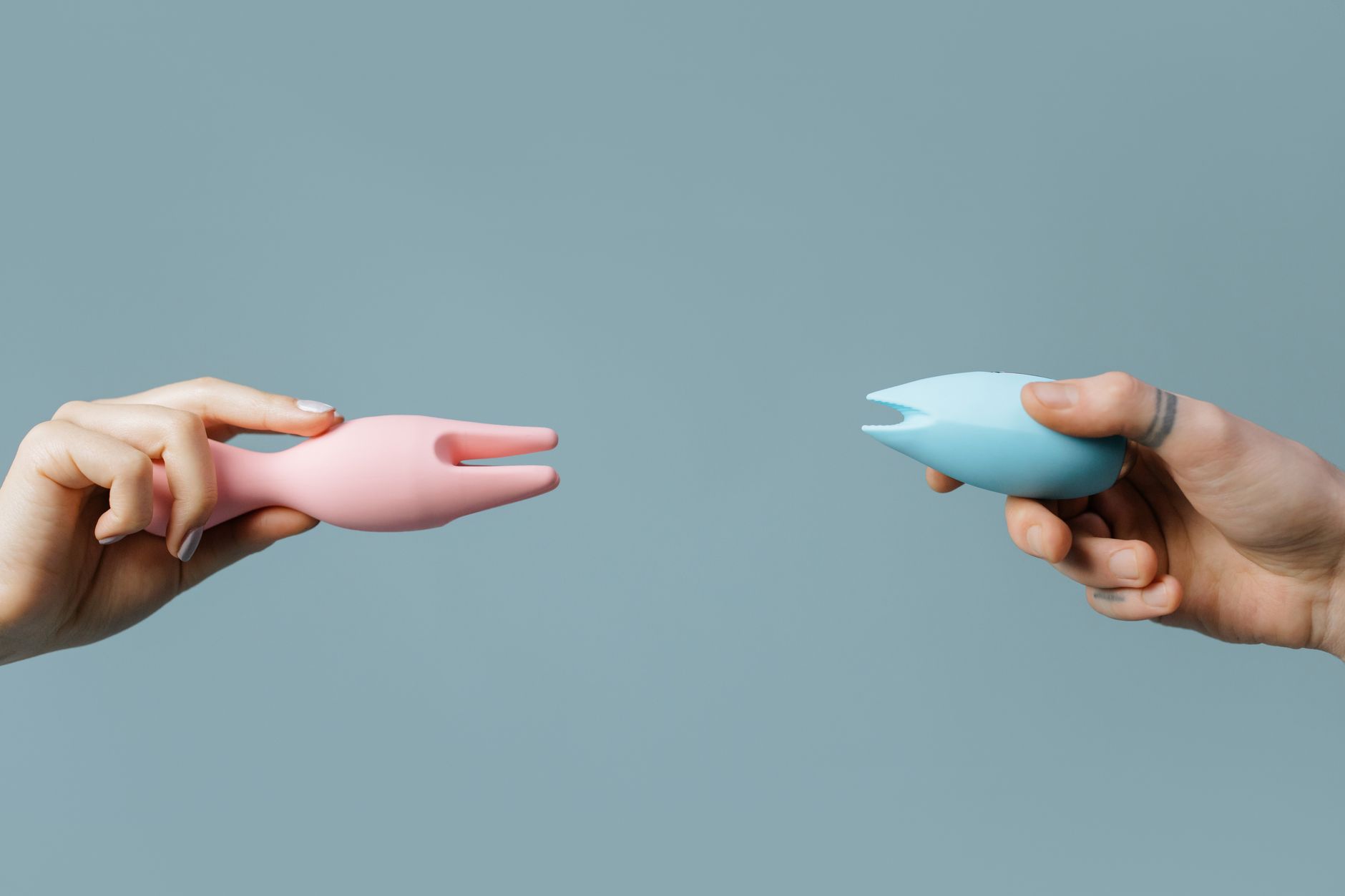
Photo by cottonbro studio on Pexels
The mechanics of using vibrators when you're rebuilding trust
Start with solo use first.
If you've been disconnected for a while, using a lemon vibrator alone gives you something crucial: evidence that your body still knows how to feel pleasure. This matters more than you'd think. When emotional distance has been present for months, people often lose faith in their own capacity for arousal. A few solo sessions with a lemon clitoral vibrator reminds you that your nervous system isn't broken. You're just out of practice.
Don't skip this. It takes pressure off your partner and rebuilds your own sense of what's possible.
Then invite them to watch, not participate.
This is different from performing. Watching means they see you experience something real. No commentary needed. No performance. Just you, your body, and maybe a lemon vibrator on setting 2. The intimacy here isn't physical. It's about being seen. Many couples find this more connecting than penetrative sex after months of distance.
Move slowly into mutual pleasure.
Once watching feels comfortable, you can involve them more. They might use the vibrator on you while you talk about what feels good. You might explore together, taking turns with the toy. The point isn't to reach orgasm as fast as possible. It's to stay present and curious with each other. This requires communication that's almost medical in its specificity: "a little higher," "slower," "just hold it there." That kind of directness rebuilds a different kind of trust.
What gets in the way
Three things sabotage emotional reconnection when vibrators are involved.
Shame about needing the toy in the first place.
If one partner feels like "we need a lemon vibrator because I'm not enough," the whole thing backfires. This is where the earlier emotional work matters. You have to both agree that vibrators aren't about insufficiency. They're about expanding what pleasure can be. A therapist can help with this conversation if you're stuck in blame.
Using the vibrator to bypass the actual problem.
I see couples who think introducing new toys will fix years of disconnection. It won't. If you haven't addressed the resentment, the betrayal, or the unmet need, adding a lemon clitoral vibrator just means you'll both be performing pleasure while feeling empty.
Forcing speed.
Emotional reconnection doesn't have a timeline. Some couples need weeks of talking before physical intimacy even makes sense. Some need months. If you're internally rushing because you think you "should" be over this by now, your body will feel it. Your partner will feel it. Nothing kills arousal like shoulds.
The questions that actually matter
Before you use any lemon sexual toy, ask yourselves these:
Do we both genuinely want to reconnect, or is one of us doing this out of obligation? Have we named what actually broke, or are we still pretending it wasn't that serious? Can I be vulnerable with this person right now, or do I still feel defensive? Am I using this toy to feel pleasure, or to prove something to my partner? Do we both understand that pleasure isn't the goal—connection is?
If you can answer those honestly, lemon vibrators become exactly what they're designed to be: tools for exploration and pleasure that help you feel closer to your partner.
People also ask
What if one partner wants to reconnect and the other doesn't?
That's a different problem, and it needs professional help before you introduce any toys. If one person has given up and the other is still trying, you're in a mismatch that sex won't fix. A couples therapist can help you figure out whether you're in a rough patch that needs patience, or whether you've actually grown apart. Either way, the answer isn't faster orgasms.
Can using lemon vibrators actually help rebuild trust after infidelity?
Not by themselves. But they can be part of a much larger rebuilding process. After betrayal, physical intimacy often feels impossible because the safety is broken. Rebuilding trust requires months of consistent behavior change, genuine accountability, and couples therapy. If you're doing all that work, a lemon clitoral vibrator might eventually become a way to reclaim pleasure together. But it's one small piece of a much longer puzzle.
How long should I wait before introducing a vibrator after emotional distance?
There's no standard timeline. I typically suggest couples do at least 4-6 weeks of emotional work before toys become relevant. That means regular conversations, some kind of therapy or coaching, and both people genuinely showing up. If you introduce a vibrator before that foundation exists, it'll feel like a distraction, not a connection.
Is it normal to feel awkward using lemon vibrators with a partner after a long period of disconnection?
Completely normal. Vulnerability is awkward. Pleasure is awkward when you haven't experienced it together in a while. The awkwardness isn't a sign you shouldn't do it. It's a sign you're actually being real with each other. That's what reconnection feels like at first. It gets easier.
What if we use a lemon vibrator and it still doesn't feel intimate?
Then you've got more emotional work to do before physical intimacy becomes meaningful. That's okay. It's actually useful information. A vibrator can't generate feelings that aren't there. If you're using one and feeling numb or disconnected, that tells you the intimacy work needs to go deeper. Talk to a therapist or coach about what's actually blocking the reconnection.
Can lemon vibrators help if we're rebuilding after a long period of being roommates instead of partners?
Yes, but only if you're also doing the non-sexual rebuilding at the same time. When couples become roommates, it's usually because emotional connection died first. The solution isn't to suddenly have amazing sex. It's to remember why you liked each other in the first place. Once you start rebuilding that, a lemon sucker vibrator can become part of exploring pleasure together again. But it's the 5th thing you do, not the first.
The real thing
Emotional connection doesn't follow a formula. There's no setting on a lemon vibrator that unlocks it. You can't buy it. You can't speed it up. You have to show up for each other, stay curious about what broke, and be willing to be seen while you're rebuilding.
If you're in that place right now, where the physical distance is a symptom of emotional distance, talk to a couples therapist or coach. The work you do there will matter infinitely more than which lemon clitoral vibrator you choose. And once you've done that work, the vibrator becomes what it's supposed to be: a tool for pleasure that makes sense only because the person you're using it with actually feels safe.
That's worth waiting for.