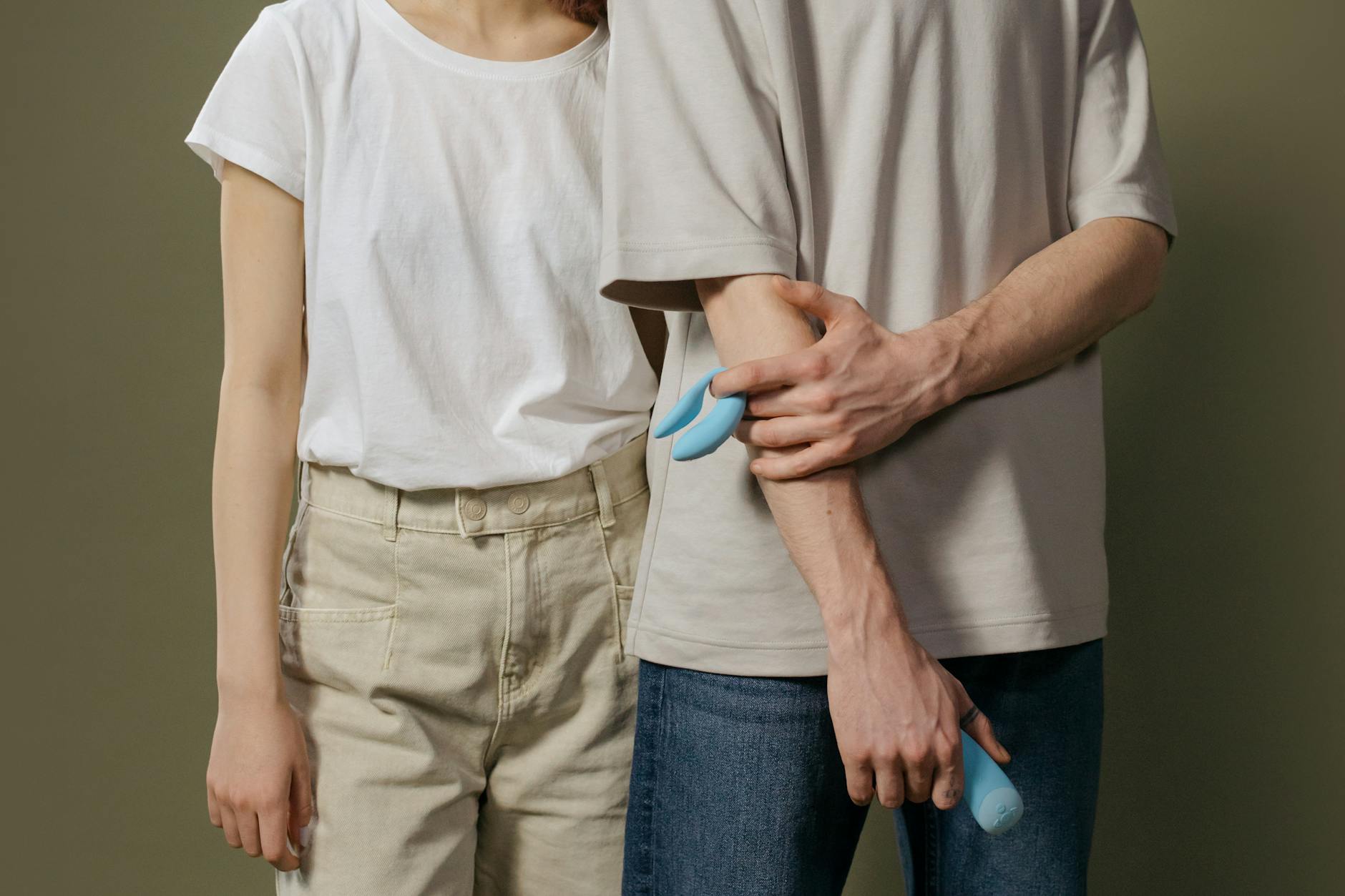
Here's what you're probably noticing
You've been using your lemon vibrator for months, maybe longer. And somewhere along the way, the orgasms that used to arrive in five minutes now take fifteen. The patterns that felt incredible at first feel almost boring. You're turning the intensity up just to feel something. That's not a sign your body is broken. It's a sign your nervous system has adapted to consistent input.
This happens to a lot of people, and it's almost never permanent. But rebuilding sensitivity requires a real plan, not just "taking a break" and hoping things snap back.
Why repeated stimulation dulls sensation
Your clitoris has around 8,000 nerve endings packed into a structure smaller than a pea. When you stimulate those nerves repeatedly with the same pattern, intensity, and rhythm, your nervous system treats it like background noise. This is called sensory adaptation, and it's a protective mechanism. Your body stops reacting as strongly to predictable input.
Here's the thing: your nerve endings aren't damaged. They're just habituated. That's actually good news because it means you can reset them.
When you use a lemon clitoral vibrator regularly at the same settings, your baseline for "pleasurable stimulation" creeps higher. Patterns 1 and 2 that used to feel amazing now barely register. Your brain has essentially recalibrated what counts as significant sensation.
The reset protocol: frequency matters most
The single most effective way to rebuild sensitivity is to change your usage frequency. Here's what actually works.
Take a break of 5-10 days minimum. I know that sounds punishing. But the data is clear: after five to seven days without stimulation, most people report noticeably increased sensitivity. After ten days, the shift is dramatic. Your nervous system needs that gap to "forget" the habituated response.
During this break, avoid all vibrator use. That includes your Lem, any other clitoral vibrator, or even manual stimulation with the same pressure and rhythm you've been using.
Then restart at pattern 1, the lowest setting. When you go back to your lemon vibrator, begin with the gentlest pattern available. It will feel strange because you've become used to higher intensity. That strangeness is the reset working. Stick with pattern 1 for at least 2-3 sessions before moving up.
Space your sessions. Instead of using your vibrator every day or multiple times a day, move to three times per week maximum for the first month. This maintains the sensitivity gain instead of blunting it again.
Switching up patterns and sensations
Habituation isn't just about intensity. It's about predictability. Your nervous system adapts to the exact sequence of sensations.
If you've been using pattern 7 exclusively, switch to pattern 3 or 4 for a few weeks. The unfamiliar rhythm feels fresh to your nerve endings, even if the intensity is similar. Alternate between two or three patterns rather than staying loyal to one.
Consider also using different types of stimulation. If you normally use your lemon vibrator on its own, incorporate lubrication in a way you haven't before, or experiment with indirect stimulation. Touch the vibrator to the hood of the clitoris rather than directly on the glans. This changes the pressure distribution and bypasses the adaptation pathway.
The role of mindset and mental arousal
Sensitivity isn't purely physical. Your brain plays a massive role in how intense sensation feels. When you've been using a vibrator for months, there's often a psychological flatness too. You know exactly what's going to happen. There's no novelty, no anticipation, no element of surprise.
Rebuild mental arousal by adding texture to your sessions. Read something that excites you beforehand. Engage in a longer warm-up before introducing the vibrator. If you have a partner, bring them into the experience in a new way. Change your environment. Use your lemon vibrator in a different room or at a different time of day.
The brain's involvement in pleasure is so significant that couples I've worked with often find that simply reframing vibrator use as partnered exploration rather than solo routine brings back intensity and novelty. Your clitoris responds to what your mind is doing as much as what your hands are doing.
Supporting your nervous system's recovery
Sensitivity lives at the intersection of physical health and nervous system regulation. A few things that genuinely help.
Sleep matters. Your nervous system recalibrates during sleep. If you're chronically sleep-deprived, your sensory thresholds get higher across the board. Aim for consistent sleep for at least two weeks while you're resetting sensitivity.
Manage stress levels. High cortisol dampens sensory perception. This is why people often report lower sensitivity during stressful life phases. Taking time to genuinely decompress helps your nervous system return to baseline.
Stay hydrated and eat well. Sounds basic, but nutrient deficiencies and dehydration affect nerve function. You don't need anything fancy. Just consistent eating and water.
Pelvic floor attention. Tension in the pelvic floor can reduce sensation and sensation perception. Spending a few minutes daily doing gentle pelvic floor relaxation techniques (not Kegels, but their opposite) helps reset sensitivity. Think of it as creating space for sensation rather than building strength.
When to restart, and how to avoid re-habituation
After your reset period, you'll likely feel that initial intensity return. That window usually lasts 2-4 weeks if you're consistent. Here's how to protect it.
Vary your routine ruthlessly. Don't fall into the same pattern (literally and figuratively). Rotate between three to four different intensity levels, always starting with the lowest. Use your lemon vibrator on different days with different mindsets. One session might be quick and focused, another slow and exploratory.
Build in longer breaks regularly. You don't need to take ten days off every month, but a three to four day break once a month keeps habituation from creeping back. Most people find this sustainable long-term.
Notice when sensitivity starts shifting again, and intervene early. The first sign of re-habituation is when you start automatically reaching for higher patterns instead of staying with lower ones. That's the moment to scale back before numbness deepens.
If sensitivity doesn't return
The vast majority of people regain full sensitivity within 2-4 weeks of taking a break and resetting. But if you've taken a two-week break, restarted at pattern 1, and still feel almost nothing after three weeks, something else might be going on.
Talk to your doctor about numbness or reduced sensation in your clitoris. While sensory adaptation from vibrator use is common and reversible, persistent loss of sensation can sometimes signal an underlying issue. Things like nerve damage, certain medications, or hormonal shifts can all affect clitoral sensitivity. A healthcare provider trained in sexual health can help figure out what's actually happening.
You might also want to explore different vibrator patterns and settings that work for sensitivity recovery. Sometimes the issue isn't intensity but the specific frequency your nervous system responds to best.
The bigger picture: pleasure is a practice, not a habit
Here's what I've learned from decades of working with couples through pleasure challenges. When sensation flattens, it's often a signal that something in your practice needs to change. Not because there's anything wrong with you, but because pleasure, like anything else in life, needs novelty and intention to stay alive.
Using a lemon clitoral vibrator is supposed to feel good, consistently. If it's stopped feeling that way, the fix isn't to force more intensity or to use it more often. It's to strip it back, reset your baseline, and then rebuild your relationship with pleasure in a way that keeps adapting.
Take the break. Start low. Mix things up. Your sensitivity will come back.
People also ask
How long does it take to regain clitoral sensitivity after using a lemon vibrator?
Most people notice a meaningful difference in sensitivity within 5-7 days of not using a vibrator at all. After 10-14 days, the shift is usually quite noticeable. Full recovery of baseline sensitivity, where earlier patterns feel intense again, typically takes 2-4 weeks of consistent low-intensity use. Everyone's timeline is slightly different depending on how long and intensely you've been using your lemon vibrator, but a month is a reasonable benchmark.
Can I use my lemon vibrator while rebuilding sensitivity?
Yes, but strategically. Take a full 5-10 day break first with zero vibrator use. Then when you restart, use only the lowest patterns for the first 2-3 sessions. Space sessions to no more than three times per week for the first month. This allows your nervous system to recalibrate without adapting again immediately. Think of it as the difference between retraining and re-numbing.
Is vibrator numbness permanent?
No. Sensory adaptation from vibrator use is reversible in nearly all cases. Your nerve endings are not damaged. They've simply adapted to predictable input, which your nervous system treats as background noise. A reset period, change in frequency, and variation in stimulation pattern restore sensitivity for the vast majority of people. If numbness persists beyond four weeks despite these changes, see a healthcare provider to rule out other causes.
What patterns should I use when rebuilding sensitivity?
Start with pattern 1, the absolute lowest setting your lemon vibrator offers. Even if it feels too gentle at first, that's the point. Your baseline is recalibrating. After 2-3 sessions at pattern 1, you can explore patterns 2-4, but stay below the intensity you were using before the break. The key is novelty, so alternate between a few different patterns instead of gravitating back to your "favorite" one. This keeps your nervous system engaged without habituation.
Why does my lemon vibrator feel less intense when I'm stressed?
Stress elevates cortisol, which actually dampens sensory perception across your whole body. During high-stress periods, your nervous system prioritizes survival and threat detection over pleasure sensation. This is temporary and reversible. When you reduce stress through sleep, movement, or relaxation, you'll notice intensity returns. It's another reason why pacing vibrator use and maintaining overall wellness matters. Your pleasure doesn't exist in isolation from the rest of your nervous system.
Can I rebuild sensitivity while still using a lemon vibrator regularly?
Not effectively. To truly reset sensory adaptation, you need a genuine break. That said, once you've taken your reset break and restarted, you can maintain sensitivity by using your lemon vibrator regularly if you follow the variation rules: rotate patterns, space sessions to 2-4 times per week maximum, and take planned 3-4 day breaks monthly. The difference between rebuilding and maintaining is the depth of the initial break and the strictness of the restart protocol.
Want support navigating pleasure changes in your relationship? Reach out to talk through what's working and what isn't. Whether it's about your own sensitivity, communication with a partner, or rebuilding intimacy after a long stretch, that's what I'm here for.