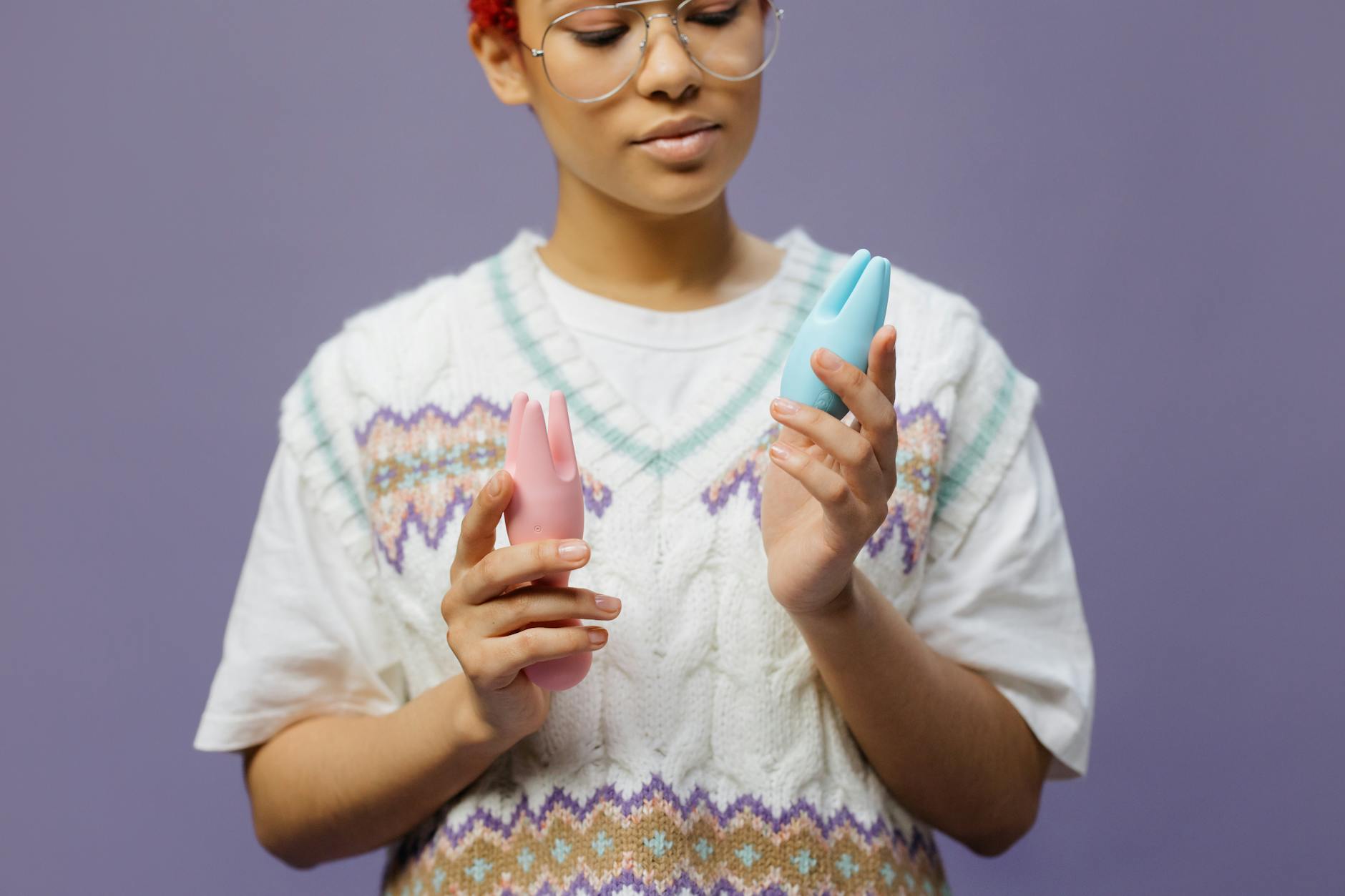
Lemon Vibrators After Menopause: How Suction Changes Everything
Honestly, menopause gets a rough PR campaign. Between the hot flashes and the insomnia, there's this quiet assumption that sexual pleasure just starts winding down. But here's what I've seen in my practice over two decades: menopause doesn't end pleasure. It reorganizes it.
The problem is that traditional vibrators often don't account for the physical changes menopause brings. That's where understanding suction technology—and why lemon clitoral vibrators work brilliantly post-menopause—becomes genuinely life-changing.
What actually changes in your body
Let's get the physiology out of the way, because it matters. Estrogen drops sharply at menopause, and that affects tissue thickness in the vulva and vagina. The skin becomes thinner and less elastic. The vaginal opening produces less natural lubrication. The clitoral tissues themselves remain richly innervated, but they're more sensitive to direct friction because there's less protective cushioning underneath.
Thompson's work on genitourinary syndrome of menopause (GSM) showed that without intervention, about 40% of post-menopausal people experience tissue sensitivity so pronounced it changes their sexual life. That's not small. But it's also not permanent or unmanageable.
The neurological part? That doesn't change. Your brain still wants pleasure. The neural pathways for arousal are intact. You're not losing capacity. You're losing the hormonal scaffolding that made certain kinds of stimulation comfortable.
Why lemon vibrators change the game
Traditional clitoral vibrators work through oscillation. Tiny, rapid vibrations direct force onto tissue. If your tissue is thinner and more sensitive, that direct percussion can feel overwhelming, numb out, or even create micro-tears you wouldn't notice until later.
Lemon vibrators and other suction-based devices work differently. They use pulsating suction waves—gentle, cyclical pressure changes that stimulate the thousands of nerve endings in the clitoral complex without relying on direct friction or impact. Think of it less like tapping and more like a rhythm of pressure and release.
For post-menopausal bodies, that distinction is critical. Suction spreads stimulation across a wider area. It doesn't require the same kind of tissue elasticity. And it tends to produce fuller, more diffuse orgasms rather than needing the focused intensity that sometimes feels sharp or uncomfortable on thinner tissue.
In my practice with couples navigating menopause together, the moment a partner tries a lemon clitoral vibrator and reports "oh, that's completely different," things shift. Because suddenly pleasure isn't framed as a problem to solve. It's a discovery.
The tissue sensitivity piece (and how to work with it)
If direct stimulation has started to feel intense or uncomfortable, you're not broken. Your tissue is just responding normally to lower estrogen. Three things help immediately.
Water-based lubricant is non-negotiable. Full stop. Not because you're dry as a sign of dysfunction, but because lube creates a protective layer between delicate tissue and any toy. It transforms the experience from "that's a bit much" to "oh, that's nice." Use it liberally and reapply if you're going longer than 10 minutes.
Start with lower suction patterns. A lemon vibrator typically has 8-12 intensity levels or patterns. Begin at level 1 or 2 and move up only if you want to. Your nervous system will tell you what feels good. Pain or pinching means back off immediately. Pleasure is the target, never endurance.
Build arousal time into your solo or partnered routine. Menopause doesn't speed up arousal. If anything, it slows it. Budget 20-30 minutes before bringing the lemon vibrator into play. Touch, foreplay, mental connection, whatever helps you feel wanted and turned on. Your clitoral tissues will plump up with blood flow, and then the suction will work even better.
Partnered sex and communication
This is where I spend a lot of my clinical time, because the gap between partners' understanding of menopause can create real distance.
If you're with a partner, they may not realize that your change in pleasure response isn't about them. It's not a loss of attraction. It's a change in how your body currently responds to certain kinds of touch. That's worth saying directly: "My body is responding differently right now. It's not about you or how I feel about you. It's about tissue changes."
Using a lemon vibrator together can be a shared discovery rather than a solo coping mechanism. Some couples find that introducing a suction toy invites a kind of playfulness they'd lost years earlier. The pressure comes off performance, and the focus moves to sensation and pleasure. That resets a lot of dynamics.
The biggest relationship win I've seen? When a partner holds the lemon vibrator and learns what rhythm and intensity their partner enjoys. It turns the toy into a vehicle for partnership rather than a workaround.
Hormonal changes beyond tissue
Estrogen isn't the only hormone that shifts. Testosterone drops too, and testosterone drives desire in everyone, regardless of gender. If your sex drive has dimmed, that's partly hormonal and partly psychological.
Psychologically, menopause arrives bundled with other life stuff. Kids leaving home. Career pressures. Mortality starting to feel real. All of that crowds out arousal if you let it. The antidote isn't a toy. It's reclaiming the mental space to want sex. Some people find that a trusted relationship coach or therapist helps separate the hormonal piece from the emotional one.
If desire has genuinely evaporated and testosterone replacement isn't appealing, sometimes a conversation with a menopause-trained GP about other options helps. But many people find that once they reconnect with physical pleasure—and lemon vibrators make that accessible again—desire follows.
The orgasm question (spoiler: they're often better)
I ask almost every new client: "Are your orgasms still possible post-menopause?" The fear is that they're not. The reality is that they're usually different, not worse. They may feel more concentrated. They may come from a different place. They may take longer to build.
Many people report that their most intense orgasms happen after menopause. Why? Partly because the mental clutter clears. Partly because they're more comfortable asking for what they actually want. Partly because they've had decades to learn their own body. Partly because suction-based stimulation can create waves of sensation rather than sharp peaks.
You're not chasing the same orgasm you had at 30. You're discovering the one you get at 55 or 65. And weirdly often, it's better.
When to involve a healthcare provider
If penetrative sex becomes painful, don't just accept it. Genitourinary syndrome of menopause is real and highly treatable. A pelvic health PT or menopause-trained gynaecologist can recommend topical estrogen creams, moisturizers, or other interventions. Most work within weeks.
If you're trying lube and suction and pelvic floor work and desire still hasn't budged after a couple of months, a conversation with your doctor about testosterone therapy might be worth having. It's prescribed cautiously in some regions but is legitimate medicine for post-menopausal desire.
Most importantly, if you're noticing changes in pleasure and feeling lost, that's a sign to talk to someone. A pelvic health specialist. A menopause coach. A therapist. Not because something is wrong with you, but because someone trained in this specific life stage can show you what's possible on the other side.
Why lemon vibrators specifically
You'll see suction toys from different brands, but lemon clitoral vibrators have become something of a gold standard for post-menopausal pleasure. The design tends to be thoughtful about ease of use, intensity range, and most importantly, how the suction pattern is tuned. A well-designed lemon vibrator recognizes that tissue sensitivity varies and builds patterns accordingly.
What matters is finding one that fits your comfort zone. That might be a Hello Nancy lemon vibrator or another brand. The principle is the same: suction beats percussion when tissue is thinner and more sensitive.
The actual practical stuff
If you're picking up your first lemon vibrator post-menopause, here's the unglamorous version of what helps.
Charge it fully before your first use. Read the instruction manual (honestly). Waterproof ones are easier to clean. Use a toy cleaner or mild soap and water. Store it somewhere cool and dry, not in direct sunlight. Keep lube nearby. Start with the lowest setting. If it doesn't feel right on day one, give it two or three more tries with proper lube and arousal time before deciding it's not for you.
Don't expect instant transformation. It usually takes three or four uses before your body relaxes into the sensation and pleasure kicks in. That's normal.
FAQ
How does a lemon vibrator feel different from a traditional vibrator after menopause?
Traditional vibrators use rapid oscillations that rely on tissue elasticity and can feel sharp or intense on thinner post-menopausal tissue. Lemon clitoral vibrators use pulsating suction waves that stimulate a broader area without direct percussion. Many people describe it as gentler, fuller, and more manageable post-menopause. The difference becomes even more pronounced if you have sensitivity to friction.
Is lube necessary with a lemon vibrator after menopause?
Highly recommended, yes. Lubricant creates a protective layer and makes the suction sensation more comfortable. Even if you're producing natural lubrication, extra lube changes the experience for the better. Use water-based lube to avoid damaging silicone toys, and reapply every 10-15 minutes if you're having a longer session.
Can I still orgasm with a lemon vibrator if I'm post-menopausal?
Yes, absolutely. The neural pathways for orgasm don't change at menopause. Tissue changes may make the path different, but orgasms are still very possible and often more intense than earlier in life. It may take longer to build arousal and reach climax, which is normal and fine. Patience and good lube are your friends.
What if a lemon vibrator feels uncomfortable or too intense?
Start at the lowest intensity level and stay there for several uses. Make sure you have enough lube. Build longer warm-up time into your routine so your clitoral tissues are fully engorged with blood flow before using the toy. If discomfort persists, check with a pelvic health specialist to rule out genitourinary syndrome of menopause, which is treatable.
How long does it take for a lemon vibrator to "work" after menopause?
Usually three to five uses before your body adjusts to the sensation and pleasure starts building easily. Your nervous system and tissues need a little time to trust the new sensation. This is completely normal. If nothing feels good after a week of regular use with proper lube and arousal time, the toy might not be right for you, and that's okay too.
Should I use a lemon vibrator alone or with a partner after menopause?
Both work. Solo use helps you reconnect with what feels good on your own terms, no pressure. Partnered use can be fun and intimate, especially if your partner learns what patterns and intensity you enjoy. There's no hierarchy here. Whatever feels good is the right choice.
Menopause isn't a full stop on sexual pleasure. It's a plot twist. Your body is reorganizing itself, and the tools that worked at 35 might not work at 55. That doesn't mean you've lost your capacity for pleasure. It means you get to rediscover it. A lemon vibrator, paired with patience and the right information, makes that rediscovery feel less like work and more like play.
If you're navigating menopause and want to talk through what's happening in your relationship or your solo pleasure practice, reach out. That's what I'm here for.