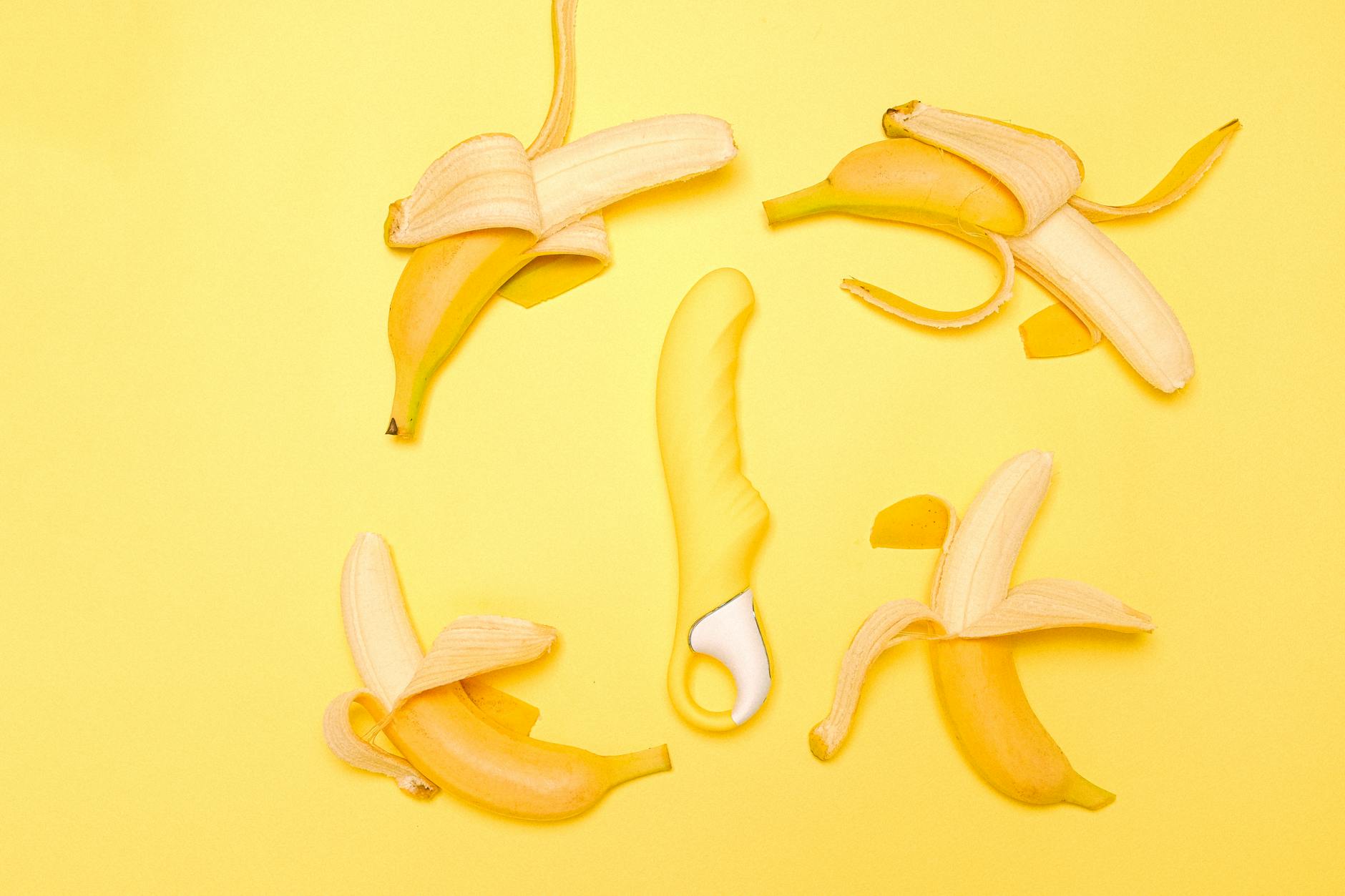
Let's be real about what's actually happening
You're using a lemon vibrator. The patterns work fine in theory. The stimulation is there. But nothing lands the way it used to. The pleasure feels flat, mechanical, distant from your body. You blame the device. You blame yourself. You don't want to blame the obvious thing: your relationship has become a quiet, empty space where you sleep in the same bed but rarely touch.
This is not a device problem. This is a nervous system problem.
How emotional distance rewires arousal
When you feel disconnected from a partner, your brain is literally operating in a different mode. The vagus nerve, which governs sexual arousal and pleasure, doesn't care about your intentions. It responds to safety. When emotional intimacy erodes, your nervous system reads that as a threat. Not an immediate physical danger, but a social and emotional one. That threat response shuts down the exact neural pathways that allow pleasure to build.
This is why using even the best clitoral vibrator feels hollow when you're living alongside someone who has become a stranger. Your lemon vibrator is probably fine. Your prefrontal cortex is busy running damage control, and there's no bandwidth left for sensation.
Here's the neurobiology shorthand: arousal requires trust. Trust is built through consistent emotional presence. Emotional distance eliminates trust. No trust means your body stays in a protective state, regardless of external stimulation. A suction vibrator can't convince your nervous system that you're safe when the person you're supposed to be closest to has checked out.
The specific ways distance shows up in your pleasure
You might notice these patterns:
Delayed response to stimulation. In a connected relationship, arousal can happen fast. When emotional distance is present, even familiar patterns on a lemon vibrator take twice as long to create any sensation at all. Your nervous system is doing a background security check.
Difficulty reaching orgasm, or orgasms that feel surface-level. The deep, full-body experience becomes shallow. You can often get there mechanically, but it doesn't feel like much. This is your pelvic floor staying partially clenched, your nervous system refusing to fully let go. The body protects itself when it doesn't trust.
Loss of spontaneous arousal. You used to get turned on randomly. Now you never do, even though the visual cues haven't changed. This is because spontaneous arousal requires a felt sense of emotional safety. Distance kills that.
Orgasms that feel numb or distant from your body. You're there physically but absent mentally. Your mind is somewhere else entirely, usually replaying conversations about distance, or just... numb. This dissociation is a protective mechanism, but it makes pleasure feel like it's happening to someone else.
Why the device takes the blame
When pleasure breaks down in a context of emotional distance, the first instinct is to upgrade the tool. Maybe a stronger suction vibrator will help. Maybe a different pattern. Maybe if you had a fancier clitoral vibrator, this wouldn't be happening.
It's actually the reverse. The more emotionally distant you feel, the harder it becomes to trust that any external tool will work. You're not numb because the lemon vibrator is weak. You're numb because your nervous system is protecting you from the vulnerability that real pleasure requires.
I've worked with hundreds of people in emotionally distant relationships, and the pattern is always the same. They buy better devices, try new techniques, follow guides for intensity. Nothing changes until they address the actual problem: the distance itself.
What emotional reconnection actually does
When couples rebuild emotional intimacy, something shifts immediately in their bodies. Not just in partnered sex, but in solo pleasure too. People using lemon vibrators report that sensation returns. Orgasms feel full again. The same device that felt mechanical suddenly feels incredible.
This isn't magic. It's your nervous system reading safety signals again and allowing arousal to happen.
Reconnecting doesn't mean big romantic gestures. It means consistent small touches. Regular eye contact. Asking genuine questions and listening to answers. Showing up even when you're tired. Rebuilding the felt sense that you're not alone in this with them.
When that happens, your nervous system settles. Your pelvic floor relaxes. Your clitoral sensitivity returns. The lemon vibrator doesn't change. Your body's capacity for pleasure does.
How to start bridging the gap
If you recognize yourself in this pattern, here's where to begin.
1. Name it together. Not in a blaming way. Just say it: "I've noticed I feel distant from you, and I think it's affecting how I experience pleasure." This is vulnerable. It's also often the moment where something shifts, because you're breaking the silence.
2. Start with non-sexual physical connection. This matters more than partnered sex. Hold hands. Hug for a full minute instead of a quick squeeze. Sit close during conversations. Your body needs to remember what safety feels like before pleasure can return.
3. Have a real conversation about what distance means. Is it work stress? Unresolved conflict? Busy season of parenting? Different sexual desires? Get specific. Distance doesn't happen by accident. Something created it, and usually it's fixable once you know what it is.
4. Consider talking to a couples therapist. I know that feels like a big step. But emotional distance doesn't resolve itself. It deepens. A therapist can help you both understand what's driving it and rebuild the connection that pleasure depends on.
5. Give pleasure time to return. Don't expect your lemon vibrator to feel amazing again immediately. Nervous systems take time to recalibrate. But as emotional distance shrinks, you'll notice sensation returning. Your body will tell you when it's safe again.
What if reconnection isn't possible
Sometimes you work on the distance and it doesn't shift. Sometimes your partner isn't willing. Sometimes the relationship has become something that can't be repaired.
In those situations, here's what matters: your pleasure belongs to you, not to the relationship. You can still use a lemon vibrator for solo pleasure while you figure out what comes next. Some people find that reconnecting with their own body helps them make clearer decisions about the relationship itself. Solo pleasure becomes a form of self-trust when everything else feels broken.
If you're heading toward the end of a relationship, you might also notice that sensation returns to your body in a different way. Sometimes pleasure becomes accessible again through complete solitude, once you're no longer living in the exhaustion of an emotionally distant partnership.
Pleasure as a mirror
Your body's response to a clitoral vibrator is feedback. When something doesn't feel good, that's information. Sometimes it means the device itself isn't right for you. More often, it means something deeper is off. Emotional distance. Unresolved conflict. A nervous system that doesn't feel safe.
The beautiful part is that pleasure can return. Not because you buy a different vibrator or learn a new technique. It returns because you address what broke the safety. Your lemon vibrator didn't fail you. The connection did. And connections can be rebuilt.
Frequently asked questions
Does emotional distance affect all types of arousal, or just with a partner?
Emotional distance in a partnership specifically affects your nervous system's baseline sense of safety. That affects solo pleasure too, because your body doesn't distinguish between "I'm emotionally safe with this person" and "I'm safe in general." A distant relationship creates a low hum of threat in your nervous system that affects arousal whether your partner is in the room or not. Some people find that solo pleasure becomes easier when they're not in the same physical space as their distant partner, but the underlying nervous system state usually improves once the relationship itself heals.
Can using a lemon vibrator actually make emotional distance worse?
Not worse, but it can make the distance feel more obvious. When pleasure breaks down, you notice the absence of connection more acutely. Some couples use this moment as a wake-up call. Others avoid it entirely by avoiding sexual intimacy altogether, which actually deepens the distance. The best version is when pleasure stops working well enough that both people finally address the underlying issue.
If my partner doesn't believe emotional distance is real, how do I bring this up?
Start with something concrete rather than abstract. Instead of "we're emotionally distant," you might say, "I've noticed I feel disconnected from you, and I'd like us to spend more time together without phones." Make it about specific behaviors rather than accusations. If they still don't engage, a couples therapist can help translate what you're experiencing into language that lands better.
Is it normal for arousal to completely shut down in a distant relationship?
Yes, absolutely. Your nervous system is doing exactly what it's supposed to do. When social bonds feel threatened, your body protects itself by suppressing arousal. This is evolutionary. You're not broken. You're responding normally to abnormal relationship circumstances. The fact that your clitoral vibrator isn't working anymore might actually be the first clear sign that something needs attention.
Can sexual intimacy help rebuild emotional connection?
Sometimes, but usually not in the way people hope. If you're already emotionally distant, trying to have sex to fix it often feels like forcing something that doesn't work anymore. Emotional connection usually needs to come first. Once that's rebuilding, sexual intimacy becomes possible again. Trying it the other way around often just feels hollow and can even deepen the distance.
What's the timeline for pleasure returning after you've reconnected?
Every nervous system is different. Some people notice arousal returning within weeks of consistent emotional reconnection. Others take months. The key is consistency. One good conversation won't do it. Your body needs to experience sustained safety over time. As that accumulates, sensation and arousal start coming back. Your lemon vibrator will feel different because you'll feel different.
Your pleasure matters. And it's too important to ignore what's actually breaking it. If emotional distance is making your clitoral vibrator feel pointless, the answer isn't a better device. It's reconnection. Start there. If you're ready to take that step, or if you want to talk through what reconnection might look like, reach out. That's what I'm here for.