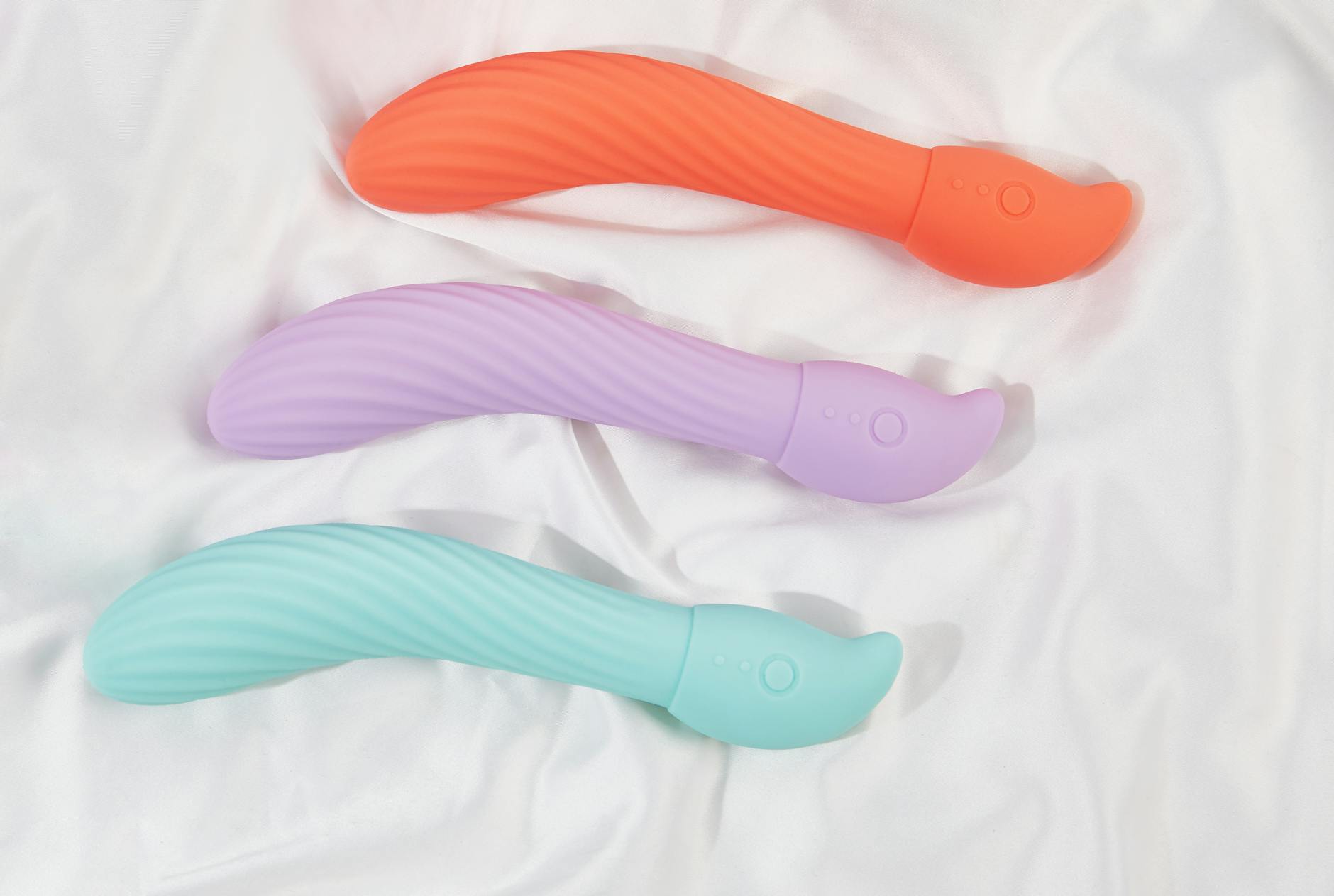
Let's name the gap first
Most lemon vibrator guides are written for people who already orgasm. They talk about intensity levels, patterns, and refinement. But if you've never had a consistent orgasm, or they're rare and elusive, those guides skip right over the part you actually need. They assume the infrastructure is there. It's not. That's not a personal failing. It's a different starting point.
Here's the thing: a lemon vibrator doesn't create an orgasm from nothing. It amplifies signal. If the signal is weak or inconsistent to begin with, you need to build the foundation first, then add the tool. The order matters.
Why standard vibrator advice doesn't work here
Most people who use a clitoral vibrator already have reliable self-pleasure habits. They know what pressure feels good, what rhythm works, how long it typically takes. A lemon vibrator or lem vibrator just makes it faster or more intense.
If you've never had consistent orgasms, you might not have those reference points yet. You might not know if the issue is pressure (too much, too little), rhythm (steady vs. pattern-based), speed progression (ramping up too fast or too slow), or something neurological (difficulty with arousal, medication effects, trauma, attention). A vibrator can't diagnose. It can only amplify whatever signal exists.
Which means using one without that foundation can feel frustrating, intense in the wrong way, or even counterproductive.
The three building blocks before you use a lemon vibrator
1. Know your body's baseline response.
Spend time without a vibrator first. Use your hand. Notice: does direct touch on the clitoris feel good, or do you prefer indirect stimulation through the hood or labia? Does light pressure feel better than firm? Does a steady rhythm help, or do you prefer variation? Does it take 5 minutes or 45? Are you more responsive at certain times of day or cycle?
This isn't meditation. It's information gathering. You're not trying to orgasm. You're learning what your nervous system actually responds to.
2. Build arousal intentionally.
People with inconsistent orgasms often start stimulation before they're actually aroused. They're trying to use the vibrator to create arousal, which is backwards. Arousal creates the conditions where a vibrator works.
Before touching your clitoris with anything, spend 10-15 minutes on arousal building. That might mean fantasy, reading, watching something that lands for you, or touch elsewhere on your body (breasts, inner thighs, neck). The goal is to feel a genuine desire to be touched, not to jump to the obvious place because that's what you're supposed to do.
3. Identify what pattern or rhythm moves you.
Some people respond to steady, consistent pressure. Others need rhythm variation: slow-fast-slow, or specific pattern sequences. The lemon clitoral vibrator has settings 1 through 3, plus multiple patterns. But if you don't know what pattern your body responds to, you're just guessing.
Experiment with your hand first. Try a steady rhythm for 30 seconds, then pause. Try a pulsing rhythm. Try figure-eight motions. Try pressure without motion. Notice which one creates that building sensation, where you feel the pleasure deepening rather than staying flat.
The specific technique shift when using lemon adult toys
Once you have that baseline, here's how a lemon vibrator changes things:
Start lower than you think. If you're used to manual stimulation, the intensity of a vibrator can feel overwhelming or even numbing if you jump straight to a higher setting. Begin on setting 1. That feels gentle. Almost too gentle. Good. Stay there for 2-3 minutes.
The temptation is to ramp up quickly. Don't. Your nervous system needs time to recognize this new sensation and build arousal on top of it. Premature intensity is one of the biggest reasons people with inconsistent orgasms feel frustrated with lemon sexual toys.
Angle matters more with a vibrator. With your hand, you can intuitively angle pressure. With a lemon vibrator, the angle is fixed. Experiment with positioning: directly on the clitoris, slightly off to one side, along the shaft rather than the tip. Some people need the vibration slightly offset rather than dead-center.
Don't grip it. This is the weird one. Many people hold a vibrator too firmly because they're nervous or because they assume pressure = intensity. Relax your hand. Let it rest gently. The vibration does the work. A tight grip can actually reduce the pleasure and fatigue your hand.
Layer it with mental focus. If orgasms have been elusive, your brain might be doing the work of "trying hard" rather than receiving pleasure. During vibrator use, consciously soften that. Notice the sensation without judging it. If your mind wanders, gently bring it back to physical sensation, not to the goal of orgasm.
The progression that actually works
Week 1: Build arousal, then use setting 1 with no pattern (steady only) for 3-5 minutes. Notice what happens. No pressure to orgasm. The goal is sensation.
Week 2: Same setup, but this time progress from setting 1 to setting 2 once you feel arousal building. Spend maybe 1 minute on each level.
Week 3: Add pattern exploration. Pick one pattern that intuitively feels interesting, stick with it for the whole session.
Week 4: Combine. Build arousal, use steady setting 1, progress to setting 2 with a pattern you liked.
This isn't arbitrary. It's giving your nervous system time to adapt, recognize pleasure, and build sustainable arousal before you add variables.
When to involve your partner (if that's relevant)
If you have a partner, it's actually helpful to do this solo work first. Not because partnered pleasure is wrong, but because you need to know your own signal before you add someone else's. Then when your partner joins in, you can say: "I respond better to steady rhythm than patterns" or "I need more arousal time" or "This angle feels better."
A partner guessing in the dark helps no one. You with knowledge helps everyone.
The patience piece
Here's what I tell people in my practice: if orgasms have been inconsistent for years, they won't become consistent in three weeks. A lemon vibrator is a tool, not a magic fix. But it can accelerate learning if you use it correctly.
The correct way is slow. It's patient. It's about building signal, not forcing pleasure. That's not intuitive, especially when you're surrounded by messaging that suggests vibrators are plug-and-play solutions.
They're not. They're amplifiers. And amplifiers only work if there's something to amplify.
FAQ
Do I need a lemon vibrator if I've never had an orgasm?
Not necessarily as a first step. Build your baseline with your hand first. Once you understand what sensation and rhythm your body responds to, a clitoral vibrator like the Lem becomes useful. Some people discover they don't need one. Others find it genuinely helpful. The tool should support what you've already learned about yourself, not replace that learning.
How long should I spend building arousal before using a lem vibrator?
At least 10-15 minutes. This sounds long if you're used to jumping straight to stimulation, but arousal is the foundation. Without it, a vibrator just feels like buzzing, not pleasure. Think of arousal as dimming the lights and closing the door. The vibrator is the music, not the invitation.
What if a lemon clitoral vibrator feels overwhelming or numb?
Start on the lowest setting and stay there for longer than feels natural. Three to five minutes at setting 1 before progressing. If it still feels numb, your arousal foundation might not be solid yet. Step back. Spend more time on manual exploration. Numbness often means you're trying too hard, not that the tool is wrong.
Can I use a lemon vibrator if I take medication that affects arousal?
Yes, but talk to your prescriber first. Some medications (antidepressants, blood pressure meds, hormonal birth control) genuinely affect physical arousal. A vibrator can help, but you might also benefit from adjusting dose, timing, or the medication itself if arousal is a priority. This is a conversation worth having.
Why do some people with anorgasmia respond to lemon sexual toys and others don't?
Orgasm involves multiple systems: blood flow, nerve sensitivity, hormonal status, brain engagement, pelvic floor function, and psychological factors. A vibrator addresses nerve sensitivity. It doesn't address all of them. If psychological factors or trauma are significant, you might benefit from working with a therapist alongside vibrator exploration. Both can be true.
Should I use patterns or steady setting with a lemon vibrator if I'm new to this?
Start with steady. Patterns add complexity your nervous system doesn't need while building baseline arousal. Once you know that steady rhythm 1-to-2 progression works, you can experiment with patterns. But the foundation should be simple.
Moving forward
A lemon vibrator can be genuinely transformative if you use it as a tool within a larger practice, not as the whole practice. Build your foundation. Know your body. Then add the amplifier. That order is what makes the difference between a vibrator that sits in a drawer and one that actually changes your relationship with pleasure.
If you're struggling with this solo, a relationship coach or sex therapist can help you navigate the process. It's not weakness. It's using available support to get better information faster. That's exactly what you deserve.