When pleasure goes numb
Let's be real. You're touching yourself and feeling almost nothing. Or you're with a partner and the sensations that used to arrive automatically now require effort, focus, or—worst case—don't show up at all. Clitoral numbness is one of those experiences nobody warns you about. It's also one of the most fixable.
The first thing to know: this isn't in your head, and it's not because you're broken. Numbness happens for specific physiological reasons, and understanding them changes everything about how you approach recovery.
What actually causes clitoral numbness
Clitoral sensitivity depends on three things working together: nerve health, blood flow, and hormonal support. When one or more of those systems gets disrupted, sensation fades.
Hormonal birth control is the most common culprit. The pill, the patch, the ring—they all suppress testosterone, which is a major driver of clitoral sensitivity. You don't need much, but you need some. When it drops, the tissue becomes less responsive and nerve signaling weakens. This typically starts slowly and gets worse over months.
Antidepressants do something similar but through a different mechanism. SSRIs blunt your nervous system's sensitivity across the board. Your body's arousal threshold rises, which means it takes more stimulation to trigger a response. For some people, clitoral sensation is the first casualty.
Stress and chronic tension create numbness through repetitive neural dampening. When you're in a constant low-level stress state, your body allocates resources away from pleasure pathways. It's a survival strategy. Over time, those pathways atrophy. This is one of the reasons why how to use lemon vibrators when desire returns slowly after major life stress is such a common entry point.
Pelvic floor tension—especially if you've been unconsciously clenching for months or years—restricts blood flow to the clitoris. Tighter muscles mean less circulation. Less circulation means dimmer sensation.
Sometimes it's not one thing. It's the medication plus the stress plus the birth control plus the fact that you haven't had a sustained pleasure practice in two years. Numbness is cumulative.
Why lemon clitoral vibrators work when regular vibrators don't
Here's the crucial difference: standard vibrators rely on rapid oscillation or buzzing to trigger sensation. If your nerve pathways are already muted, that approach often fails. You feel the vibration is happening, but not where it matters.
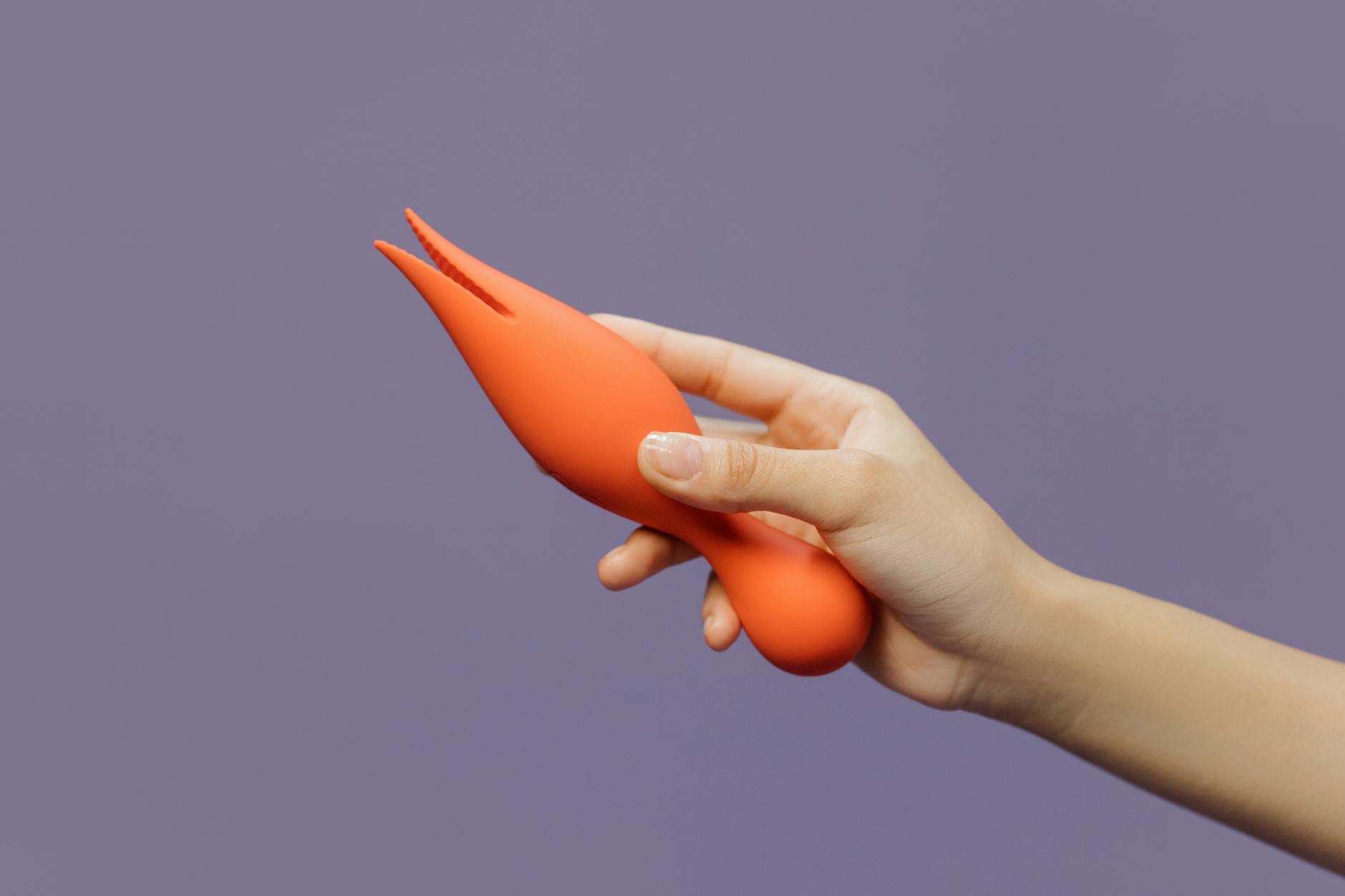
Lemon suction vibrators, including the lemon clitoral vibrator and other lemon sexual toys, work through a completely different mechanism. Instead of vibration, they use gentle suction combined with pulsing patterns. This creates pressure changes that activate deeper nerve clusters—the same ones that get suppressed in numbness.
The suction approach is gentler on desensitized tissue, which paradoxically makes it more effective. You're not fighting against numbness by increasing intensity. You're working with your body's natural responsiveness by using a different sensory pathway.
For people recovering from antidepressant-induced numbness or hormonal suppression, this distinction is everything. The suction sensation feels novel to your nervous system. It's not the same as the vibration you've tried a hundred times. That novelty actually helps rewaken dormant pathways.
The recovery timeline is slower than you want it to be
Sensation doesn't snap back overnight. Your clitoral nerve endings were suppressed for months or years. Waking them up takes patience, consistency, and realistic expectations.
Week one to two: You might notice small sensations—tingling, light pressure, warmth—that weren't there before. These are your nerves starting to register input again. Don't expect fireworks. You're rebuilding a connection, not turning on a switch.
Week two to four: More distinct sensation emerges. Patterns feel different from each other. Some feel better than others. This is your body learning to differentiate input again. Pay attention to what works. Start at the lowest intensity setting and stay there.
Week four to eight: Real responsiveness begins. You might have your first orgasm in months, or the first orgasm that doesn't feel like work. It might be smaller or different than you remember, but it's real. This is progress.
Week eight and beyond: Sensation continues to deepen. You start noticing what you'd completely forgotten—anticipation, building pleasure, variation in intensity. The clitoris is no longer a numb zone.
The practical steps that actually work
Start with the lowest suction setting on your lemon vibrator. Seriously. If it has five intensity levels, begin at level one and stay there for at least a week. Your nervous system needs time to register what's happening.
Use lube, even though you might not feel like you need it. Water-based lube isn't just for comfort—it improves the seal on suction devices and helps create the pressure changes that activate deeper nerve pathways. It's functional, not just nice-to-have.
Practice in low-stress moments. Your nervous system needs to feel safe to rewire sensation pathways. That means phone off, time set aside, no performance pressure. Solo exploration is almost always more effective than partnered touch when you're recovering from numbness.
Budget 15-25 minutes minimum. You're not trying to get to orgasm quickly. You're exploring what sensations are available. If you're spending five minutes and hoping for results, you're setting yourself up to feel like it isn't working. Give your nervous system actual time to respond.
Keep a simple mental note of what happens. Not journaling—just remembering. "Week two, level two felt different." "Week three, the pattern on level three made a difference." Tracking helps you notice progress that feels invisible week-to-week.
When numbness is connected to your relationship
Let's separate two things that often get tangled together. Clitoral numbness is a physical symptom. Relationship disconnection is an emotional one. Both can happen at the same time, but they're not the same problem.
If you and your partner have drifted, and you're also experiencing numbness, resist the urge to treat the numbness as the relationship problem. It's not. Your partner can't "fix" your sensation pathways. Only you can, through consistent solo practice with tools like lemon clitoral vibrators.
Once you've rebuilt sensation on your own, bringing that knowledge into partnered touch becomes possible. But the order matters. Solo recovery first, then integration.
If you're single and experiencing numbness, you have an advantage you might not realize: zero performance pressure. You can explore without worrying whether your partner is waiting for results. Use that.
When medication is the cause
If your numbness started right after starting an antidepressant or changing birth control, mention it to your provider. They often don't ask about sexual side effects unless you bring them up, even though these effects are real and documented.
Sometimes switching medications or adjusting dosage helps. Sometimes it doesn't. Even if the medication stays, lemon clitoral vibrators often provide enough novel sensation to bypass the dampening effect.
Don't assume you have to choose between mental health support and sexual sensation. Talk to the person prescribing your medication about your specific experience, then combine what they recommend with consistent practice using lemon sexual toys.
The long game
Clitoral numbness is temporary, even when it feels permanent. You are not broken. Your pathways are suppressed, not destroyed. With consistent attention—a few times a week using a lemon vibrator—you can rebuild sensation that feels authentic and strong.
Most people see meaningful changes within four to eight weeks. Some take longer. The timeline depends on how long the numbness lasted, what caused it, and how consistently you practice. But the direction is almost always up.
People also ask
How long does it take for clitoral sensation to return after stopping birth control?
Sensation typically starts improving within two to four weeks of stopping hormonal birth control, but full recovery can take two to three months. Your body needs time to restore testosterone production. Using a lemon clitoral vibrator during this period can speed up the reconnection process because the suction sensation is novel and engaging to a desensitized nervous system. Be patient with yourself.
Can lemon vibrators help with antidepressant-related numbness?
Yes, but differently than with hormonal numbness. SSRIs work on neurotransmitter levels that affect arousal directly. A lemon suction vibrator doesn't change your brain chemistry, but it can provide enough novel sensory input to bypass the dampening effect. Many people find that what regular vibrators couldn't do, the suction approach can. Talk to your prescriber about your specific experience, then add consistent practice to the conversation.
Is it normal for sensation to feel different on one side of the clitoris?
Completely normal. The clitoris is a complex structure with nerve endings distributed unevenly. One side might wake up faster than the other. Some people discover they prefer sensation on one side even after full recovery. Use a lemon vibrator to explore both sides and notice what's actually different from what you assumed.
Can numbing happen from using vibrators too much?
Rarely from vibrators alone, but yes from using the same pattern at high intensity for extended periods. This is why varying your practice matters. Alternate between different intensity settings. Take breaks between sessions. If you notice numbness after months of heavy vibrator use, step back for a few days, then return to lower intensities and gentler approaches.
What if lemon vibrators aren't working after two weeks?
Two weeks is barely the beginning. Your nervous system needs at least four weeks of consistent practice to show real progress. If nothing is changing at the four-week mark, consider: Are you starting at the absolute lowest intensity? Are you using enough lube? Are you in a genuinely low-stress environment? Sometimes one small adjustment changes everything.
Should I tell my partner about clitoral numbness I'm experiencing?
That depends on your relationship and comfort level. If you're partnered and want to maintain sexual intimacy, your partner will notice something is different anyway. A simple conversation—"My sensation feels muted right now, and I'm working on it with solo practice"—is often better than silence. What you don't want to do is blame the numbness on your partner or expect them to fix it. That's your work to do.
You have everything you need
Clitoral numbness is frustrating, confusing, and worth taking seriously. It's also one of the most responsive issues to consistent, patient practice. A lemon clitoral vibrator, time, and realistic expectations can rebuild sensation that feels lost.
Start at the lowest intensity. Give it four weeks. Notice what changes. Your pleasure isn't gone. It's waiting for you to restart the conversation with your own body.
If you want to talk through what's happening in your specific situation—whether numbness is connected to relationship dynamics, medication, or just life stress—we're here to help. You don't have to figure this out alone.