
Let's talk about the invisible shift nobody warns you about
You switched birth control. A few weeks in, something feels off with pleasure. Not broken. Not gone. Just... different. Your lemon clitoral vibrator doesn't feel the same. Arousal takes longer. Orgasms feel softer, or sometimes sharper. Lubrication changed. You're wondering if it's the vibrator, or if something's wrong with you.
Neither. It's your hormones recalibrating, and it's temporary.
Birth control is essentially a chemical conversation with your entire body. When you change the script, everything downstream shifts too. Sensitivity, arousal speed, lubrication thickness, pelvic floor tension, even clitoral engorgement. Most people don't realize these changes are predictable and workable. You don't have to white-knuckle through six months of awkward sensation to find your rhythm again.
What actually changes when you switch
Different birth control methods create different hormonal profiles. Here's what matters for pleasure:
Hormonal IUDs and high-dose pills deliver progestin directly to your system or bloodstream, which can suppress arousal and natural lubrication more aggressively than lower-dose options. Copper IUDs don't affect hormones but sometimes increase vaginal irritation initially. Switching from a pill to an IUD, or vice versa, is one of the biggest shifts you can make.
Lower-dose pills or patches tend to preserve arousal and lubrication better, but the transition still disrupts your body's rhythm. It takes about three to four menstrual cycles for your system to fully adapt.
The adjustment timeline is real. Your clitoral sensitivity will likely return to baseline in 8 to 12 weeks. Lubrication normalizes faster, often within 4 to 6 weeks. But during that window, your lemon vibrator experience will feel different, and that's okay.
Why sensation feels muted (and what to do about it)
Progestin suppresses blood flow to the clitoris slightly. During the first month after a switch, this can make stimulation feel more distant. Your lemon clitoral vibrator isn't less powerful. Your tissue isn't less responsive in a permanent way. But right now, fewer nerve endings are engorged and ready.
Three quick adjustments:
Start with longer warm-up. Instead of 5 minutes, spend 10 to 15 minutes on foreplay or manual stimulation before bringing the lemon vibrator into play. Blood flow needs time to redirect. Patience rewires your expectation.
Use higher intensity patterns earlier. This isn't usually my advice, but during a birth control transition, starting at pattern 3 or 4 instead of pattern 1 can feel more satisfying because you're compensating for temporarily reduced sensitivity. Once your hormones stabilize, dial it back.
Try longer sessions. A 20 minute session with your lem vibrator will feel better than 8 minutes right now. Your body's arousal curve is stretched out, not shortened. You're not building less pleasure. You're building it more slowly.
Lubrication changes: what's normal, what's not
Switching birth control often decreases natural lubrication, especially in the first 6 to 8 weeks. This is temporary in most cases. But during that window, relying only on your body's natural lubrication with a lemon vibrator can cause friction irritation, not pleasure.
Use lube. Specifically, water-based or hybrid formulas that won't degrade silicone. Apply it generously. This isn't a sign of dysfunction. It's logistics. Your lemon clitoral vibrator will glide better, sensation will feel smoother, and you'll actually enjoy the experience instead of pushing through discomfort.
If lubrication hasn't improved after 10 weeks, mention it to your gynecologist. Some birth control methods do suppress lubrication more permanently, and there are solutions, including topical estrogen or a different hormonal method.
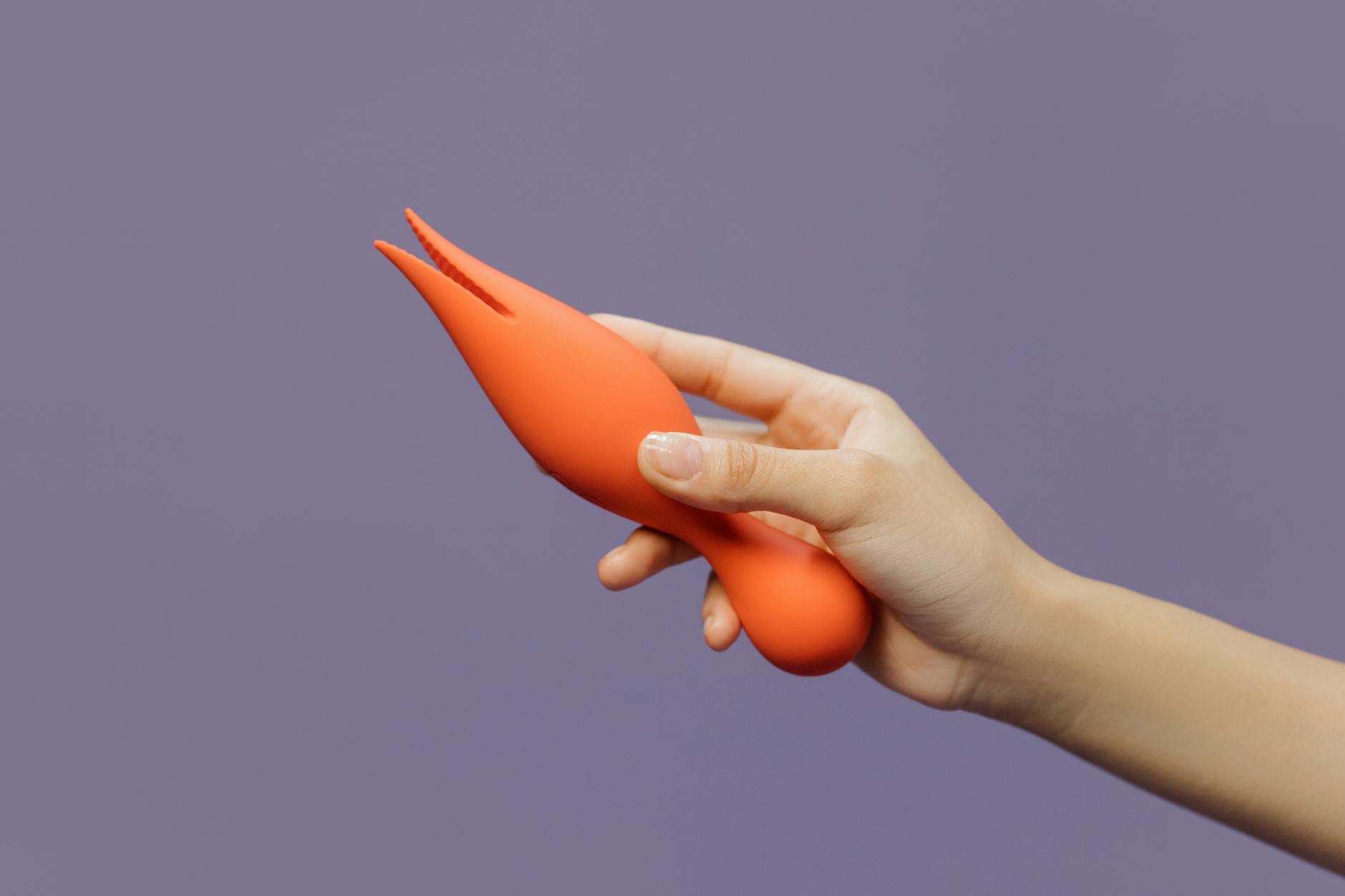
Photo by cottonbro studio on Pexels
Arousal itself feels different. Here's why.
Arousal has two components: mental (desire, interest, anticipation) and physical (blood flow, lubrication, clitoral engorgement). Birth control primarily affects the physical side. You're not losing desire. You're experiencing a lag in the physical response that normally follows desire.
This gap feels weird. You're mentally interested in pleasure, but your body takes longer to feel turned on. Your lemon vibrator sits there, and you're thinking, "This used to feel amazing after 30 seconds. Why is nothing happening?"
Three strategies:
Separate mental arousal from physical. Use erotica, audio, or fantasy for a few minutes before touching yourself. Build mental arousal intentionally. Your body's physical response will catch up.
Use the vibrator as part of the arousal ramp, not the finale. Start at lower intensity for longer. Your lem vibrator works best when you're gradually building toward sensation, not expecting instant pleasure.
Notice pleasure you wouldn't normally catch. During transition periods, you often pick up on subtler sensations. That gentle hum you used to skip past. That specific angle that hits differently. Your lemon clitoral vibrator is teaching you something.
These shifts don't mean you're broken. They mean your hormonal baseline changed, and your pleasure map is recalibrating.
What to do differently with your lemon vibrator during the adjustment
Four concrete changes to your routine:
Pattern sequencing. Instead of jumping to your favorite pattern immediately, spend time at patterns 2 and 3 for a week or two. Your nervous system is more sensitive to pattern shifts right now. Slower progression feels better.
Pelvic floor awareness. Birth control switches sometimes change pelvic floor tension. You might feel tighter or looser. Spend a minute doing pelvic floor releases before using your lemon vibrator. Breathe into your pelvic floor. Consciously soften it. This takes 60 seconds and makes sensation dramatically better.
Moisture management. Keep water-based lube within arm's reach. Reapply halfway through if you're having a longer session. Your natural lubrication may not catch up to your lemon vibrator's intensity right now, and that's temporary.
Orgasm expectations. You might have quieter orgasms for a few weeks. They're still real. They still count. Don't chase intensity. Intensity will return once your system stabilizes.
When to worry, and when to just wait
Most changes from switching birth control resolve within 8 to 12 weeks. If something persists beyond that, it's worth checking in with your doctor.
Things that warrant a conversation with your gynecologist sooner: pain or burning during or after use, significant decrease in arousal that doesn't improve after 6 weeks, or extreme vaginal dryness that doesn't respond to lube. These aren't reasons to panic, but they're worth investigating because your provider might recommend a different birth control method or offer topical treatments.
Most commonly, though, the adjustment is just your body saying, "I need a few weeks to figure out my new chemistry." Your lemon clitoral vibrator isn't the problem. Time and a few small tweaks are all you need.
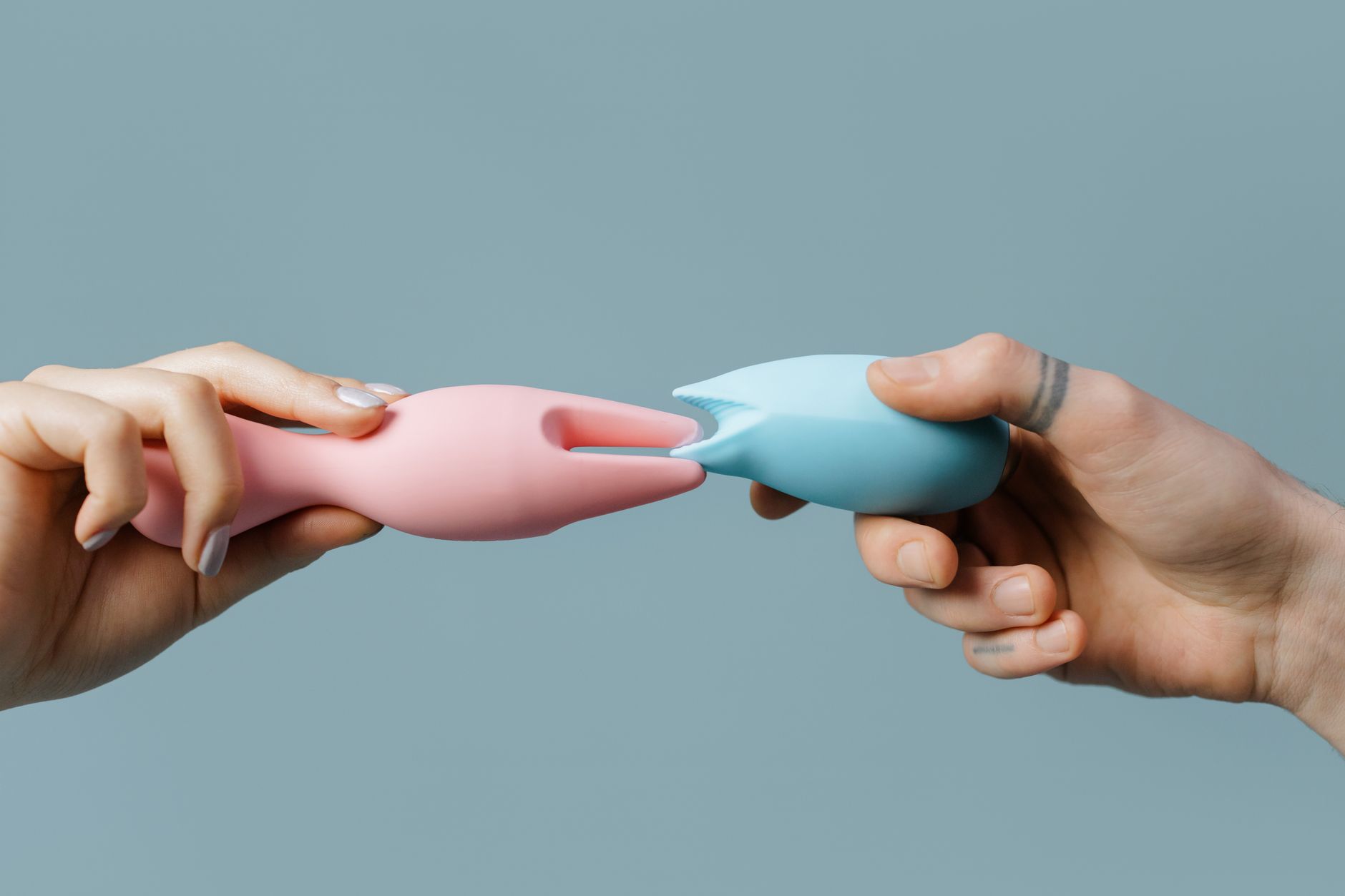
Photo by cottonbro studio on Pexels
The bigger picture: this is temporary, and it's worth understanding
Birth control shapes your entire sexual experience, not just lubrication. Your desire, your sensitivity, your arousal speed, even your orgasm intensity are all influenced by which hormones are in your system and in what doses.
When you switch, you're not starting from scratch. You're transitioning. And that transition is exactly when most people panic and assume something's permanently broken. It's not. Your lemon vibrator works the same way it did before. Your body is just running different software for a few weeks.
Understanding that this is normal, temporary, and workable changes everything. You stop trying to force the old rhythm and start exploring the new one. You use your lemon clitoral vibrator differently for a bit, and you pay attention to what actually feels good right now, rather than what felt good last month.
That's not settling. That's paying attention.
If you want more direct support navigating this, the team at My Lemon Vibrators has resources on our care guide and frequently asked questions that break down lubrication, sensation, and pleasure adjustments in detail.
People also ask
How long does it take for birth control to stop affecting arousal?
Most hormonal adjustments stabilize within 8 to 12 weeks. Your body reaches steady state with the new hormone levels around cycle three. Some people feel stable sooner. Others take the full 12 weeks. If arousal hasn't returned to your baseline after 12 weeks, talk to your doctor because it might indicate that this particular birth control method isn't ideal for you.
Can I use my lemon vibrator while adjusting to new birth control?
Absolutely. You might need to adjust how you use it. Longer warm-up, higher initial intensity patterns, more lubrication, longer sessions. But using your lemon clitoral vibrator during adjustment actually helps because you're learning your new pleasure map instead of avoiding it and then being surprised three months later.
Does switching from pills to an IUD cause bigger changes than switching pills?
Yes, generally. Going from systemic hormones (pills, patches, rings) to a localized hormonal IUD (like Mirena) often causes a larger sensory shift because the hormonal delivery is so different. Copper IUD switches feel different too because you're going from hormonal to non-hormonal. Pill-to-pill switches are usually the gentlest transition.
Will my orgasms come back the same if I switch birth control again?
Not necessarily the same, but they will return. Each hormonal profile creates a slightly different pleasure baseline. If you've been on one method for years and switch, you're adjusting to a new baseline. That baseline might feel better, worse, or just different. You'll readjust in 8 to 12 weeks and find your new rhythm.
Should I tell my partner about these changes while I'm adjusting?
If you have one, yes. Explain that you're in a transition period and sensation feels different right now, but it's temporary. This prevents confusion and makes the adjustment less lonely. If they understand it's chemistry, not loss of interest, you're both more relaxed during the process.
Is decreased lubrication from birth control permanent?
Not always. Some methods suppress lubrication more than others. If you've been on a new method for 10 to 12 weeks and lubrication still hasn't normalized, your body might be telling you this method isn't ideal. Mention it to your gynecologist. Sometimes switching to a lower-dose pill or trying a non-hormonal method brings lubrication back. Sometimes topical estrogen cream helps. It's worth investigating instead of just living with it.
The takeaway
Birth control changes your pleasure, but not permanently. Your lemon vibrator is still the same. Your body is temporarily running new software. Give yourself grace during the adjustment period. Use your lemon clitoral vibrator with patience, more lube, and a longer timeline than usual. In a few months, you'll know your new baseline and you'll adjust your routine accordingly.
This is workable. Your pleasure isn't broken. It's just recalibrating.
If you have questions about comfort, sensation, or what's typical during a birth control transition, reach out at /contact. And if you want to explore more about optimizing pleasure through different life changes, check out our guide on how to use a lemon vibrator when hormones are unpredictable.